
Line sweep camera application
Line Scan Industrial Fixed Focal Lenses | Road, Railway & Catenary Online Defect Inspection
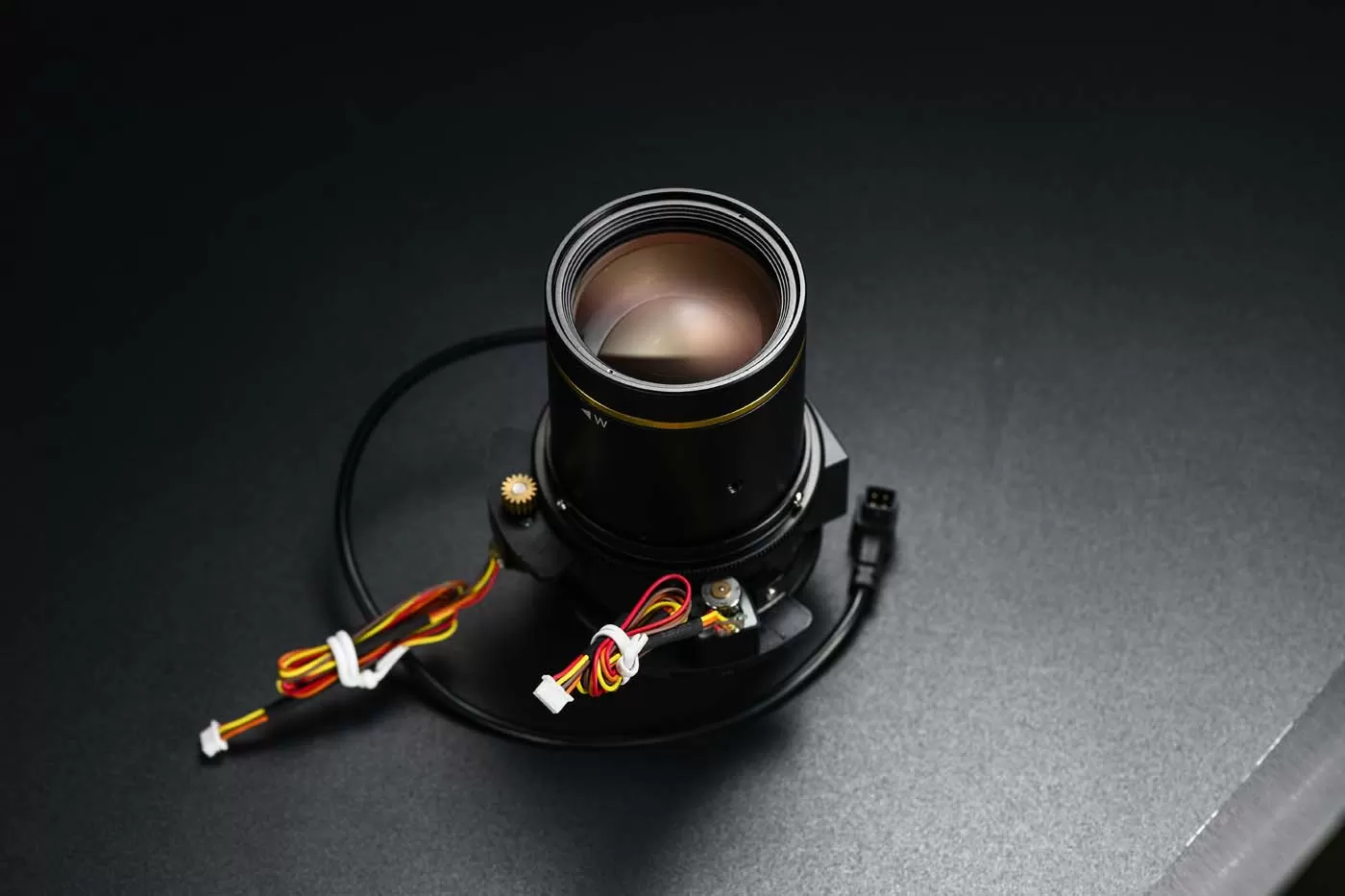
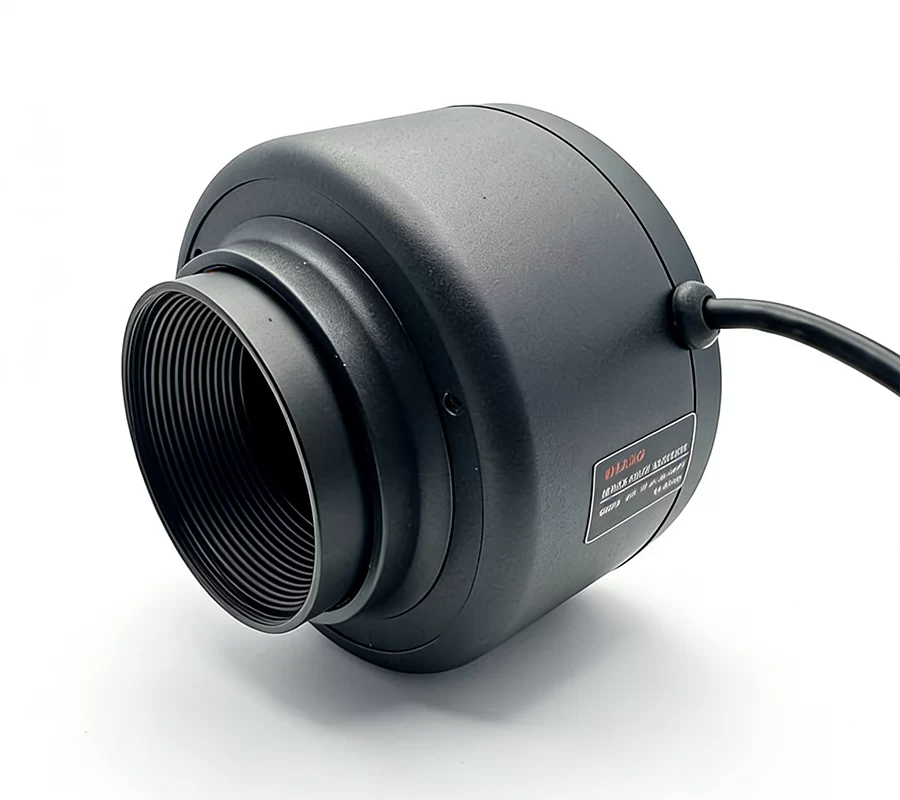
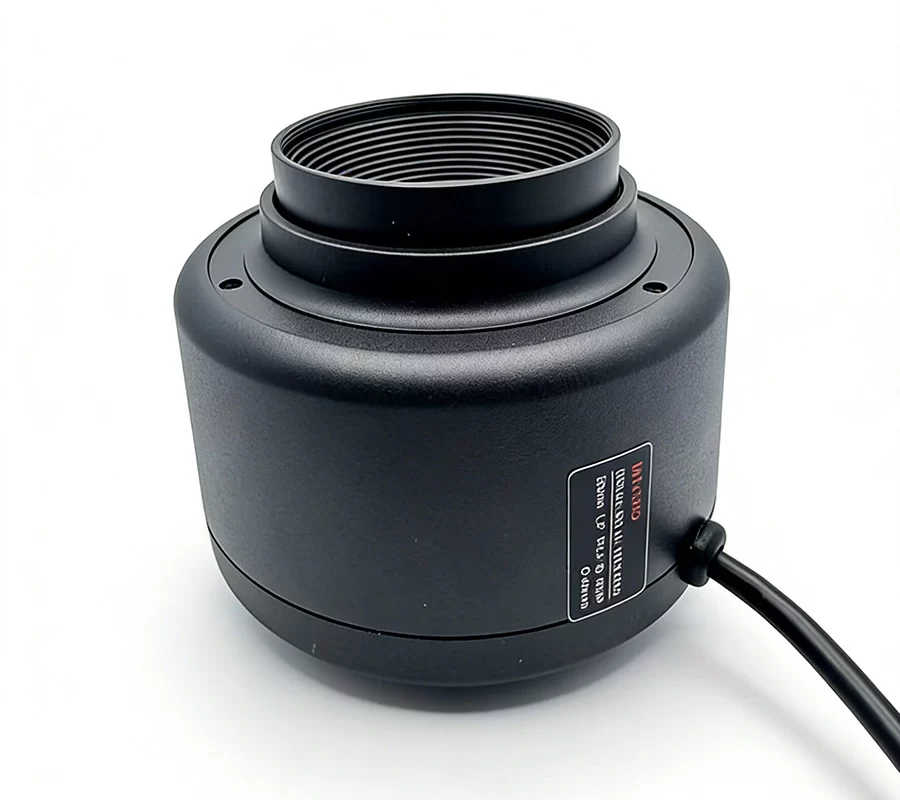
This series consists of industrial fixed-focus vision lenses with M42/M58/M72 mounts, covering fisheye ultra-wide-angle, low-distortion wide-angle, standard and medium-long telephoto focal lengths. Compatible with Φ30 and Φ43.5 large-format sensors, supporting 4K/8K/16K resolution. All lenses adopt manual focus and manual iris structure to maintain stable imaging parameters once locked after adjustment. The operating temperature ranges from -20℃ to +60℃, suitable for traffic online inspection scenarios with large temperature fluctuations such as tunnels, open-air sites and vehicle-mounted systems. It can be matched with both line-scan and area-scan vision solutions.
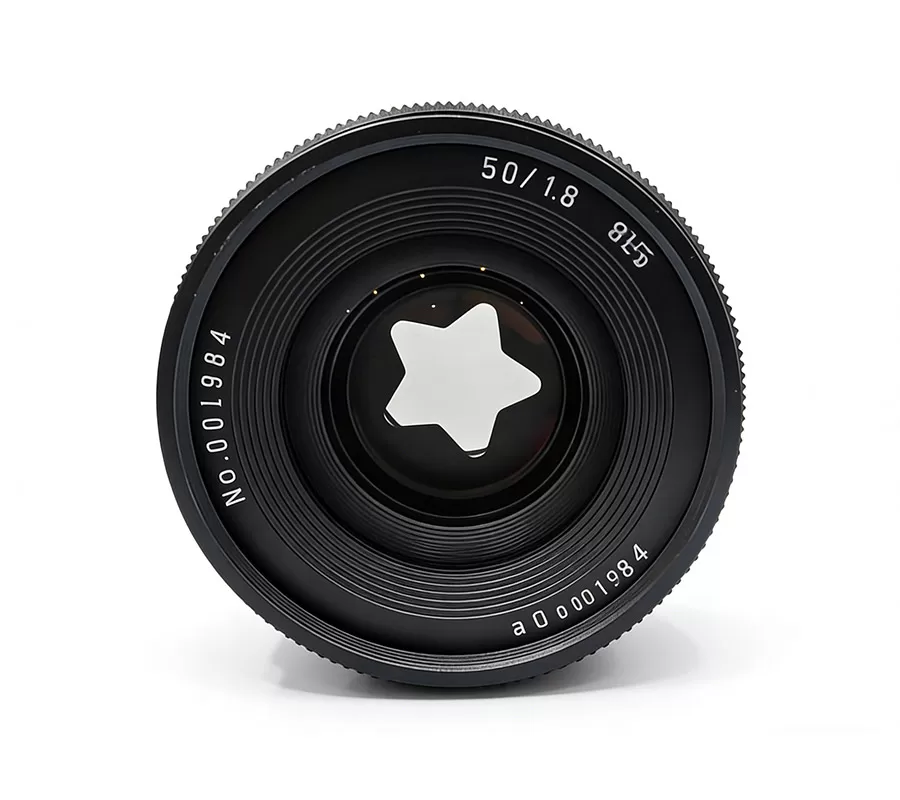
The full lineup includes: 7.5mm fisheye lens: for close-range ultra-wide FOV panoramic screening, high distortion, not for precision measurement; 14mm low-distortion wide-angle lens: balances wide field of view and geometric fidelity, the main measurement lens in this series; 17.6mm wide-angle lens: large aperture, excellent performance in low-light environments; 20mm wide-angle lens: supports ultra-short minimum focusing distance for flexible installation; 25mm standard lens: multi-mount compatible, preferred for low-light acquisition; 35mm medium focal lens: for mid-to-long distance fixed-point review, suppresses background interference; 50mm medium telephoto lens: compatible with 8K cameras, used for mid-to-long distance detail capture; 60mm telephoto lens: compatible with 16K ultra-high-resolution cameras for tiny remote defect identification.
Flexible selection is available for single-lens use or multi-lens combined deployment. The following traffic inspection applications focus on three core models: 7.5mm fisheye, 14mm low-distortion wide-angle and 25mm standard lens.
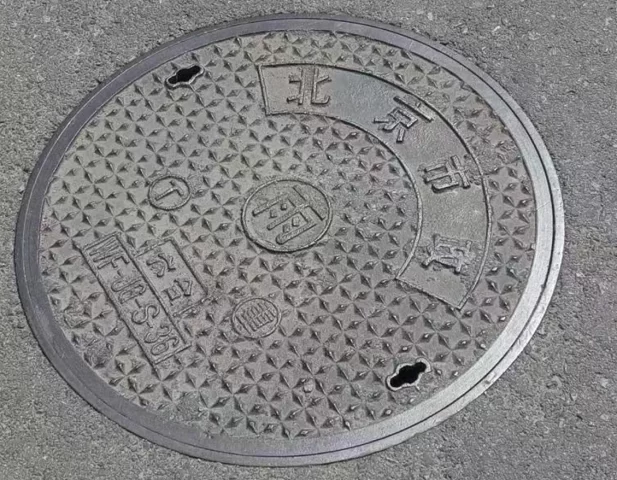
- Vehicle-mounted Inspection for Manhole Covers and Pavement Defects on Municipal Roads
Vehicle-mounted inspection demands efficient full-lane scanning. The 7.5mm fisheye lens serves for panoramic pre-screening, capturing a broad pavement area in a single frame to rapidly identify manhole covers, potholes and subgrade settlement. For precise crack-width measurement or manhole cover ID recognition, switch to the 14mm low-distortion wide-angle lens.
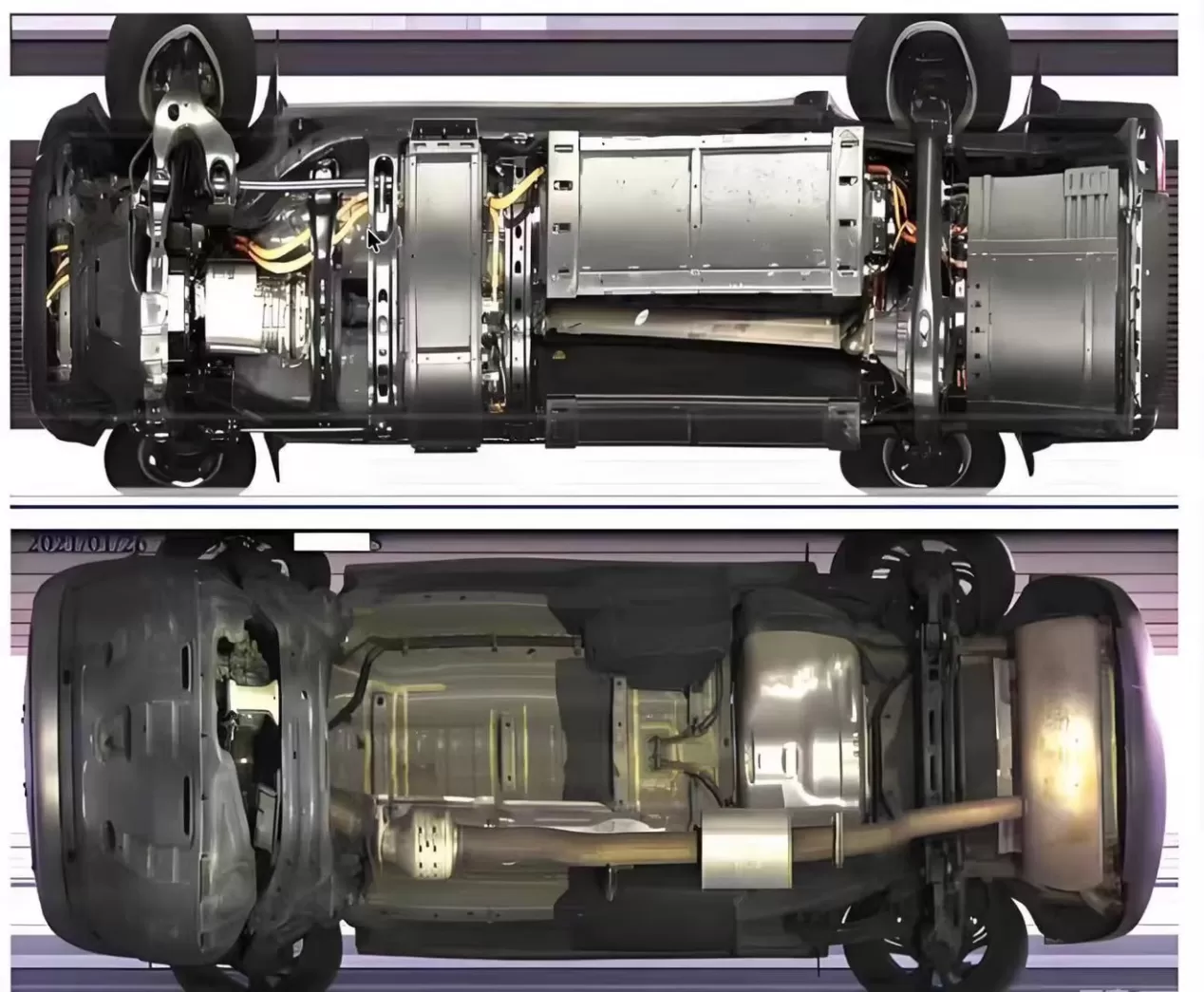
- Undercarriage and New Energy Battery Pack Scanning Inspection
The underground scanning station has constrained installation space and a short working distance to the vehicle underbody. The 7.5mm fisheye lens delivers wide-area initial screening for fast detection of large foreign objects and obvious collision marks on the chassis. For routine security checks and battery pack defect inspection, the 14mm low-distortion wide-angle lens is the preferred option. It provides geometrically accurate imaging for pipelines, guard plates and welds, avoiding AI algorithm measurement deviations, and works reliably under dark-field supplementary lighting and dynamic vehicle transit scenarios. The 25mm standard lens is arranged on independent close-up stations to capture local features including welds and fasteners.
- Online Inspection for Metro Undercarriage and Bogie Track-side Monitoring
Cameras are fixed at stable working distances inside tunnels. The 14mm low-distortion wide-angle lens is widely adopted for continuous online acquisition to identify damaged cable buckles and braking components reliably. Its adjustable iris adapts to drastic brightness changes when trains enter and exit tunnels. For cost-sensitive projects with fewer cameras, the 7.5mm fisheye lens is used for rough screening, only spotting large falling objects without precise dimensional judgment. The 25mm standard lens serves as supplementary equipment on separate stations to recheck welds and tiny fasteners.
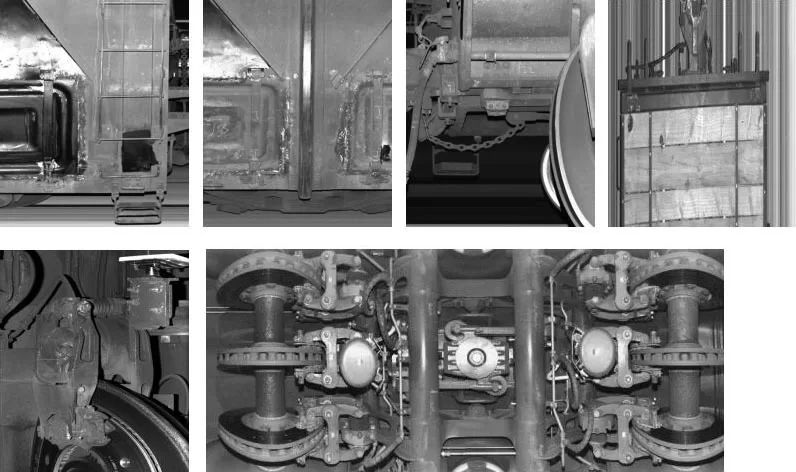
- Inspection for Railway Bogies, Wheelsets and Brake Systems
Railway inspection scenarios require high metrology accuracy. The 14mm low-distortion wide-angle lens is the preferred choice to reproduce the true contour of wheel treads, brake shoes, springs and connecting rods. It facilitates microcrack and wear detection to satisfy the standards of industrial measurement algorithms. The 7.5mm fisheye lens is seldom deployed as the primary lens; it is only applied in a small number of panoramic snapshot solutions for bogie overall status observation.
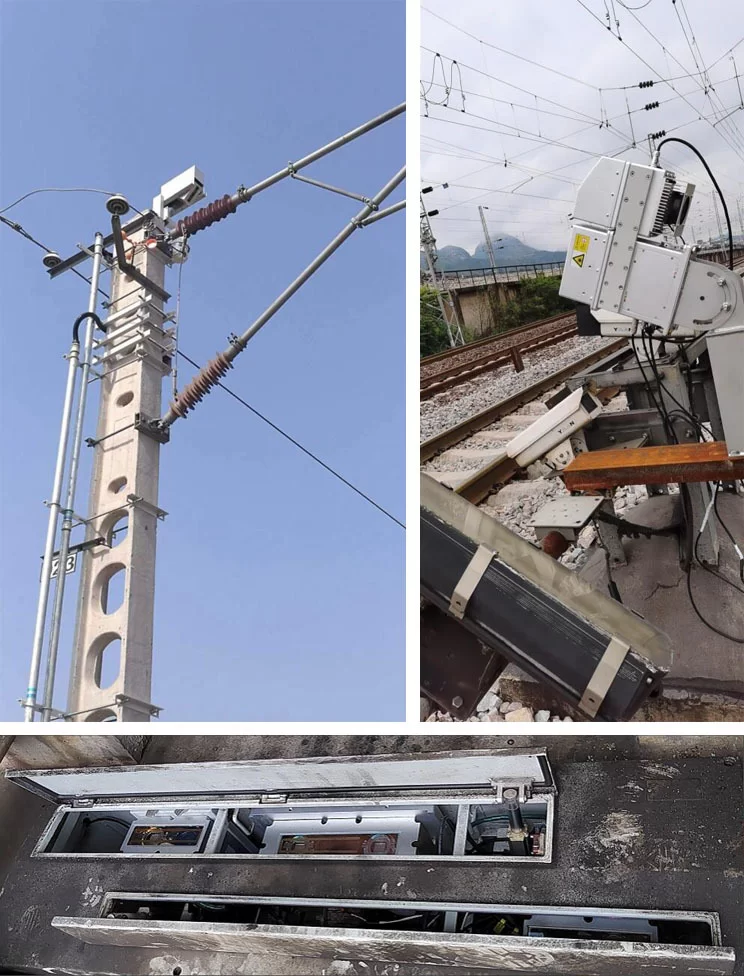
- Long-distance Monitoring of Catenary and Track-side Facilities
Catenary cantilevers, insulators and positioning fittings are far from cameras. The 25mm standard lens is preferred to suppress cluttered background noise from weeds and debris, concentrating on target areas to identify disconnection, burnout and offset faults. If a single camera needs to cover multiple support posts for overall preview, the 7.5mm fisheye lens can be paired for panoramic overview.
FAQ
Q: Can lenses in this series work with line-scan and area-scan cameras for track-side and vehicle-mounted dynamic online inspection?
A: This series is dominated by area-scan lenses. All focal lengths can be deployed as auxiliary review lenses matching line-scan systems. Manual focus and manual iris deliver stable imaging after locking. The wide-temperature design fits open-air, tunnel and mobile vehicle inspection. A rich selection of mounts and sensor formats supports 4K to 16K high-resolution cameras. You can select wide-angle overview or telephoto close-up stations according to the working distance, field of view and accuracy requirements of the main line-scan camera.
Q: Can fisheye lenses be used for dimensional measurement?
A: Not recommended. The 7.5mm fisheye lens is designed for ultra-wide-FOV panoramic screening with high distortion, only for fast anomaly localization. The 14mm (-0.1% distortion), 17.6mm (-0.1% distortion) and 35mm (0.1% distortion) models feature excellent geometric fidelity, suitable for defect recognition and dimensional measurement algorithms. 20/25/50/60mm focal lengths are mostly applied for defect capture without high-precision metrology, subject to their distortion performance.
Q: Multiple mounts are available. What should be noted for cross-mount replacement?
A: This series includes M42, M58 and M72 standard mounts. 25mm and 35mm versions support multi-mount conversion; 50mm is M58 and 60mm is M72. Always match the camera’s native mount to minimize adapter use and avoid back-focus shift and imaging deviation.
Q: What benefits does short minimum object distance bring to chassis and track-side inspection?
A: The 7.5mm fisheye (0.12 m MOD) and 20mm lens (0.15 m MOD) support ultra-close focusing, ideal for buried undercarriage scanners and compact near-vehicle installation. Other models feature 0.2 m ~ 0.3 m MOD for reliable close-range focusing, while supporting mid-to-long range track and roadside inspection.
Q: What scenarios suit large-aperture lenses?
A: Large-aperture models including 17.6mm F1.4 and 25mm F1.8 work well in tunnels, underground garages and low-light track-side sites. They improve signal-to-noise ratio and reduce motion blur risk when lighting is insufficient.
Advantages of Our Optics Manufacturing Solutions

Machine Vision & Industrial Inspection
Lenses: FA, line scan, telecentric, macro, zoom and IR series for defect detection, gauging and sorting.
Elements: ground and coated components for vision lens makers.

Semiconductor & Metrology
Lenses: custom assemblies for wafer inspection, alignment and metrology.
Elements: singlets, prisms and coated optics ground and coated to the surface accuracy your design calls for.

Security & Surveillance
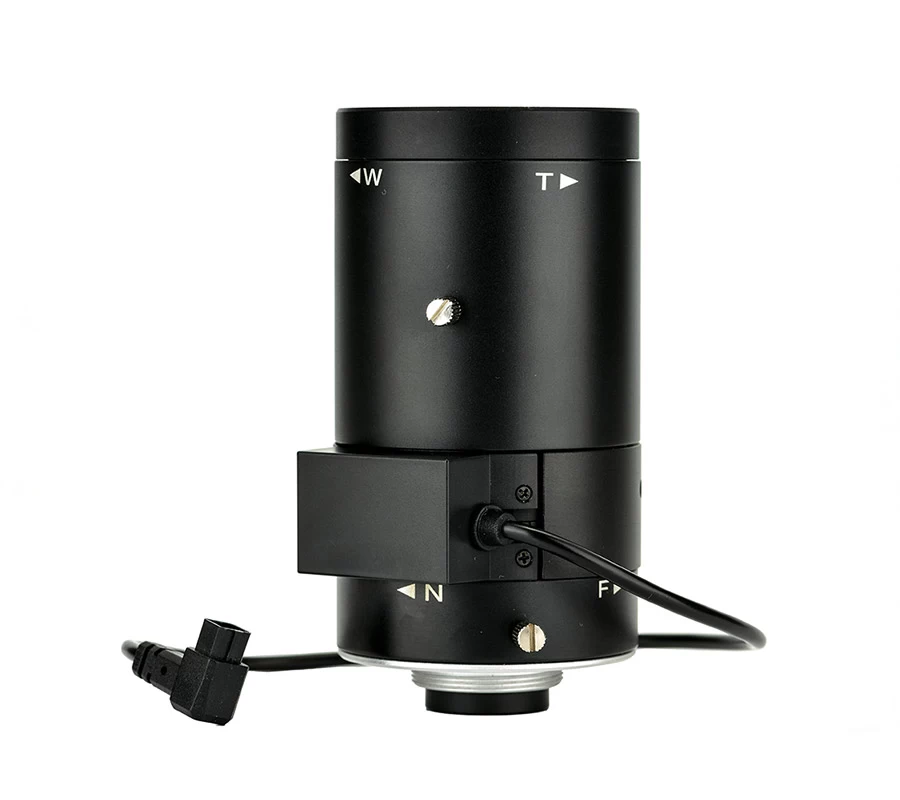
Lenses: varifocal and motorized zoom lenses for ITS, traffic monitoring and security cameras.
Elements: ground and coated components for surveillance and ITS lens assemblies.

Medical Imaging
Lenses: custom assemblies for diagnostic and imaging equipment.
Elements: precision components for medical optical systems.

Automotive Sensing
Lenses: custom-built assemblies for automotive programs, developed to your optical and environmental specification.
Elements: lens components for ADAS, in-cabin sensing and automotive lighting, manufactured under IATF 16949.

Cinematography & Professional Imaging
Lenses: MIL mirrorless and FL cine series — PL, E and M mounts, full-frame.
Elements: ground and coated components for interchangeable lenses, projectors and broadcast optics.