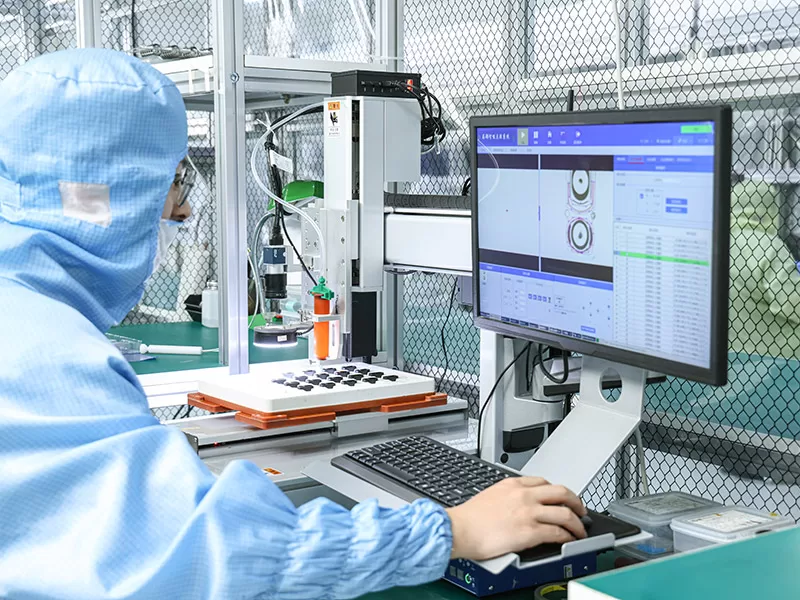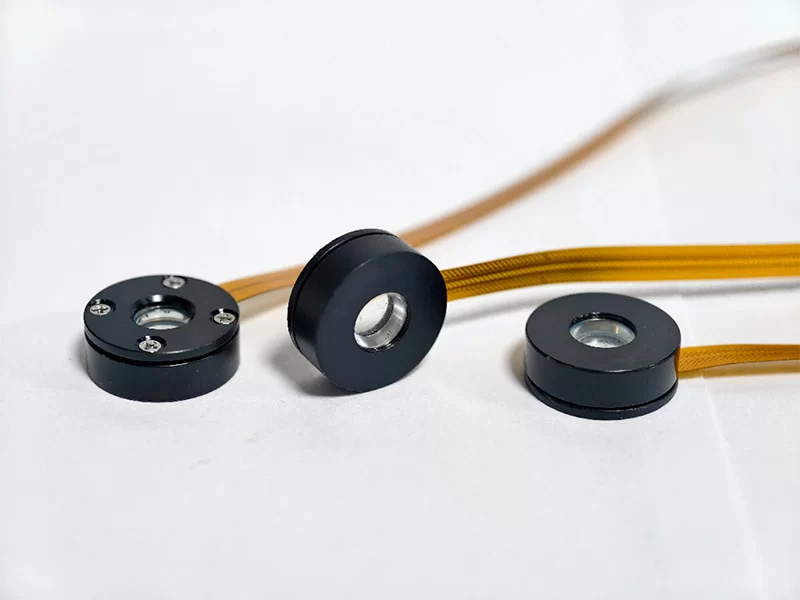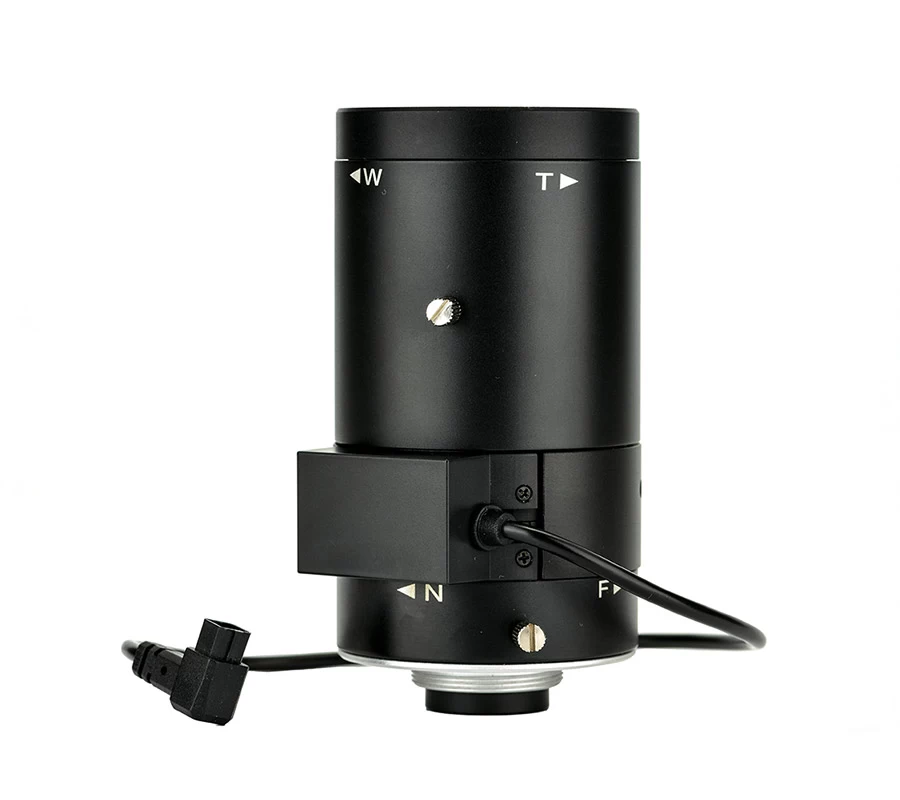
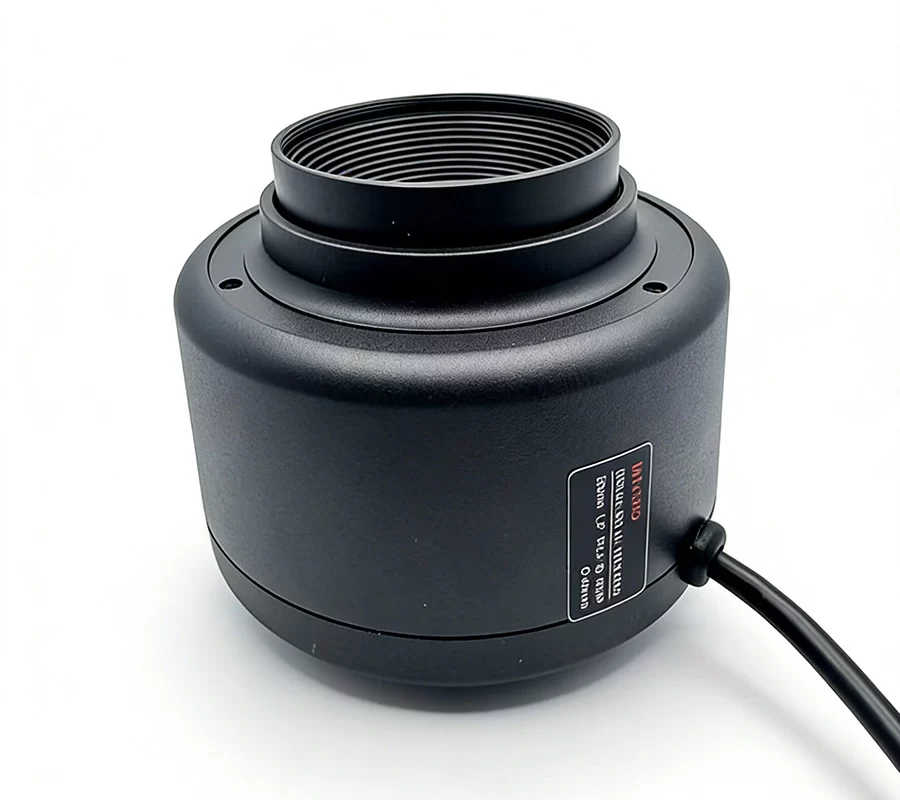
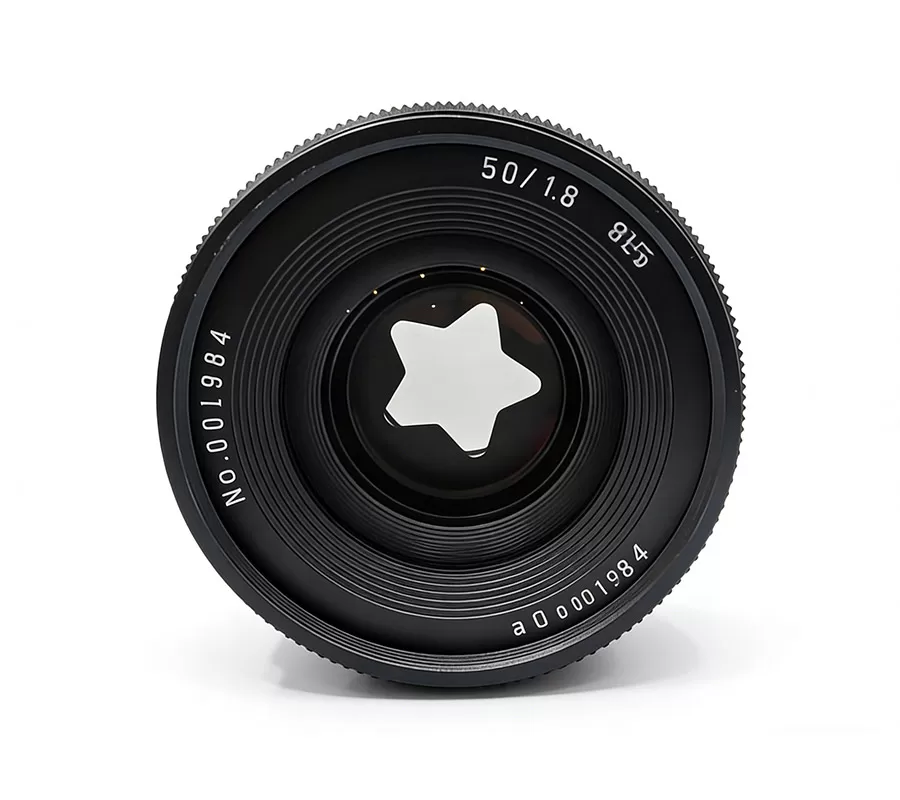
High-speed production lines push optical inspection systems to their physical limits. When engineers upgrade to 1.2-inch format sensors to achieve higher pixel density and superior signal-to-noise ratios, they run into a major physics problem: shallow depth of field. Traditional mechanical focusing mechanisms cannot keep pace with dynamic lines.
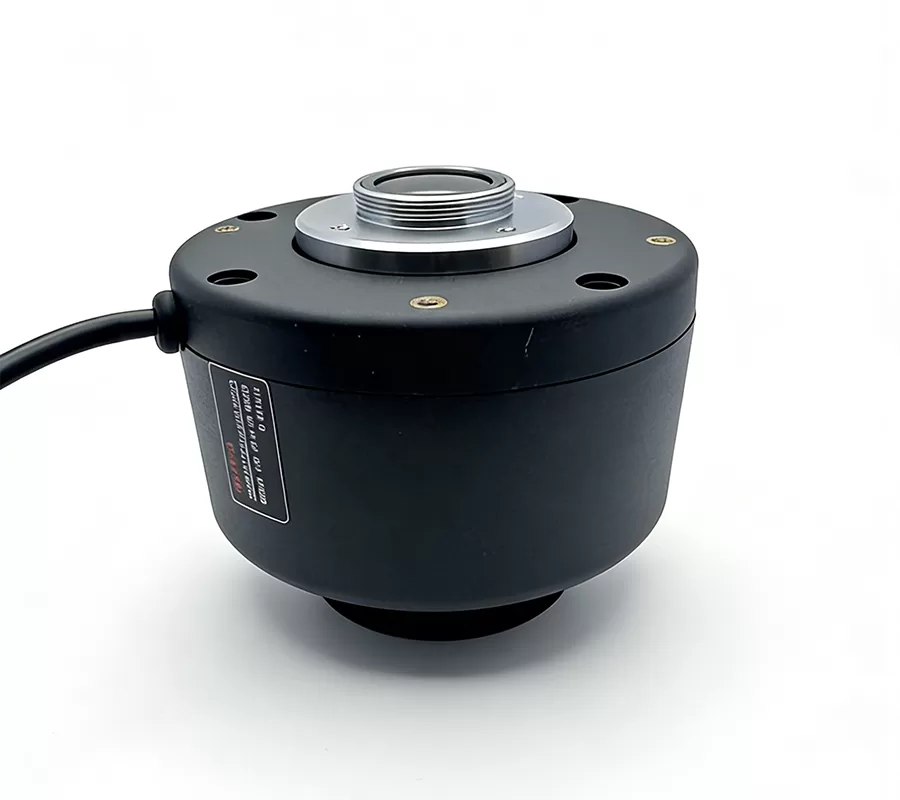
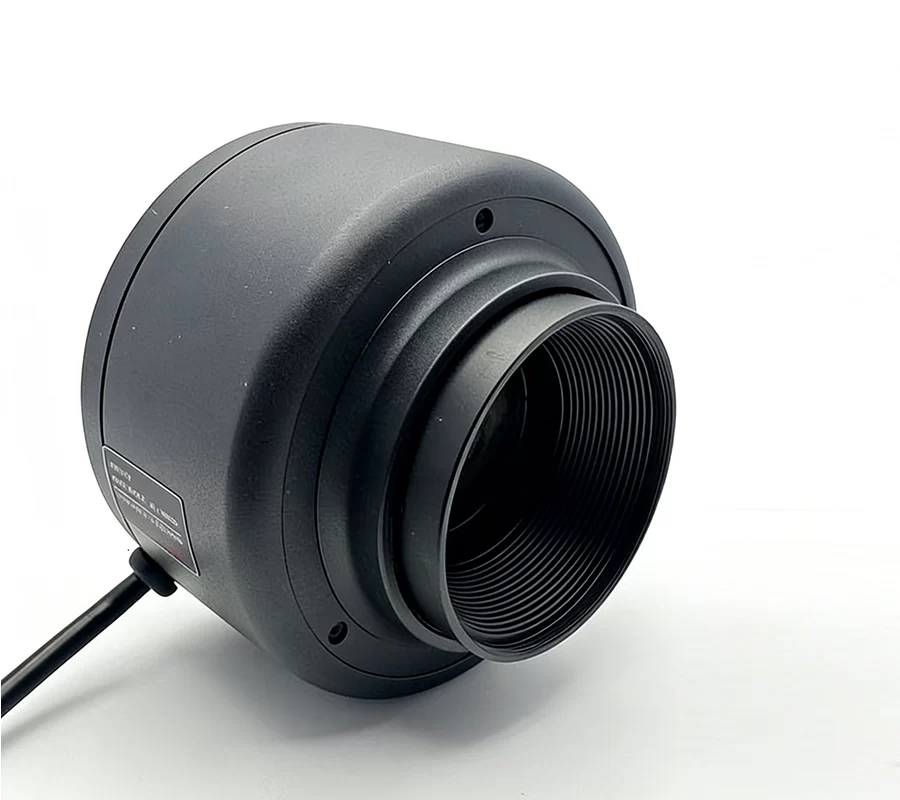
Integrating liquid lenses directly into a 1.2-inch autofocus machine vision assembly solves this throughput bottleneck. At Josight, we engineer high-resolution optical solutions that combine large sensor coverage with sub-millisecond focus tuning. If your automated inspection systems suffer from focal drift, high cycle times, or premature mechanical failure, send an inquiry to our engineering team to test a customized evaluation unit.
1. The Autofocus Bottleneck in Large-Sensor Vision Systems
The industrial sector is shifting toward larger sensors like the Sony Pregius IMX304 and IMX540. These 1.2-inch image sensors offer diagonal dimensions of 17.6 mm, delivering pristine image quality in low-light and high-speed environments. However, handling these large-format sensors comes at a cost.
As sensor size increases, optical depth of field (DoF) shrinks dramatically at equivalent apertures. If target parts present varying step heights or pass by on unstable conveyor belts, the system loses focus immediately. In conventional setups, engineers address this with motorized focus lenses that use stepper motors or voice coil actuators (VCM).
Mechanical focus systems show severe weaknesses in demanding factory environments:
- Sluggish response: Mechanical gears require anywhere from 150 milliseconds to a full second to adjust position.
- Mechanical wear: Constant refocusing cycles cause friction, backlash, and gear breakdown after a few hundred thousand operations.
- Size and weight: Motorized housings add bulk to robotic arms and gantry heads, limiting acceleration speeds.
These limitations choke overall line speed. Production lines need an optical element that changes focal length instantly without relying on motorized lead screws.
2. How Liquid Lenses Revolutionize Industrial Autofocus
Liquid lens technology bypasses mechanical movement entirely. Instead of moving glass elements along an optical barrel, the lens alters the curvature of an internal fluid interface to change optical power.
Two primary designs drive modern variable optics: electrowetting and mechanical membrane deformation. For high-cycle industrial automation, electrowetting liquid lens systems provide the cleanest results. An electrowetting cell contains two immiscible liquids—typically a conductive water solution and an insulating oil—enclosed within a sealed chamber.
When the controller applies an electrical voltage across the substrate, the surface tension of the fluid changes instantly. This alters the contact angle of the droplet, transforming it from a flat profile into a convex or concave shape. The curvature shifts within milliseconds.
Industrial advantages over standard mechanics include:
- Extreme actuation speeds: Focus shifts settle in under 15 to 20 milliseconds, enabling per-frame refocusing on fast lines.
- Virtually infinite operational life: Because no solid components slide against each other, electrowetting units exceed billions of operational cycles without performance decay.
- Low power consumption: Maintaining or changing fluid curvature consumes negligible electrical wattage compared to heavy stepper motors.
Historically, manufacturers struggled to build fluid cells large enough for formats beyond 2/3-inch. Today, breakthrough optical designs place high-aperture liquid cells behind or inside complex optical groups. This permits full coverage of the 17.6 mm image circle required by any 1.2" sensor machine vision lens without introducing heavy mechanical assemblies.
For more details on industrial imaging standards and optical engineering basics, consult technical resources from the Association for Advancing Automation (A3).
3. Key Optical Performance Enhancements for 1.2" Systems
Integrating a variable fluid cell into a large-format optical path requires precision optical balancing. When executed properly, this approach provides massive advantages for system integrators.
Josight addresses these challenges by optimizing internal glass groupings to compensate for the fluid's inherent refractive properties. The result is edge-to-edge sharpness across the entire field of view.
Eliminating Edge Vignetting and Optical Distortion
Large format sensors easily suffer from corner light falloff when matched with compact optical cells. Advanced 1.2-inch liquid lens assemblies position the variable element close to the optical stop. This design maximizes light throughput and preserves full Modulation Transfer Function (MTF) performance across the sensor edges, keeping chromatic aberration low.
Fast Adaptation to Variable Working Distances
Modern production lines rarely present uniform surfaces. An automated guided vehicle (AGV) or pick-and-place robot must switch between looking at a deep bin and verifying a surface label inches away. An industrial autofocus lens equipped with fluid optics shifts working distances instantly, locking focus before the next camera trigger fires.
Extended Depth of Field (EDoF) and AOI Focus Stacking
Shallow depth of field ruins 3D defect detection on tall objects. With millisecond-level focus tuning, a camera captures multiple focal slices of an object within a single production stroke. Machine vision algorithms then blend these slices into an all-in-focus composite image. This focus stacking technique operates seamlessly on fast lines without slowing throughput.
Shock and Vibration Resistance
Industrial machinery generates continuous vibration. Traditional motorized lens barrels vibrate out of calibration over time, demanding frequent maintenance stops. Liquid cells feature balanced fluid densities that absorb physical shocks up to several hundred Gs, holding steady calibration on robotic end-effectors.
Read deeper insights on optical surface stabilization in peer-reviewed reports on the SPIE Digital Library.
4. Target Industrial Applications
The combination of large sensors and millisecond-level autofocus expands capabilities across diverse inspection industries.
PCB Assembly and Semiconductor Inspection
Modern electronic circuit boards pack dense components of varying heights, from micro-SMD resistors to tall electrolytic capacitors. A 1.2-inch autofocus machine vision system snaps microscopic solder joints, adjusts focus instantly, and inspects tall connector pins across wide boards without moving the camera head along the Z-axis.
High-Speed Logistics and Package Sorting
Distribution centers handle mixed packages continuously. Boxes, envelopes, and polybags zip along conveyors under overhead barcode scanners. A wide-field 1.2-inch camera with a liquid lens reads tiny 2D codes on a tall crate, then instantly refocuses on a flat envelope right behind it without stopping the conveyor line.
Environmental Monitoring and Process Water Analysis
Visual inspection is not limited to dry production floors. Facilities monitor particulate dispersion and clarity within environmental filtration systems. When inspecting industrial discharge and filtration beds—such as an activated carbon wastewater treatment line—optical cameras track sediment build-up and carbon fine migration in real time.
Visual inspection cells in activated carbon wastewater processing must handle floating contaminants at varying fluid depths. A liquid lens shifts focal planes inside observation sight-glasses without mechanical actuator seals that might degrade from moisture exposure. This delivers dependable, non-intrusive monitoring of fluid clarity.
Electric Vehicle Battery and Welding Quality Control
EV battery packs require hundreds of laser-welded busbar connections. These welds run across large physical trays where mechanical warpage changes the target height from point to point. Liquid lens optics adjust focus dynamically per weld point, ensuring zero defects and tight weld seams.
Review additional industrial case studies through Vision Systems Design to see how high-resolution focus optics reduce manufacturing downtime.
5. Integration and Selection Guide for System Integrators
Selecting and deploying a fluid-optic system for a 1.2-inch format requires careful planning. System architects should evaluate three primary engineering parameters during the specification stage.
Optical Matching: Image Circle and Aperture
Ensure the lens assembly projects a minimum image circle of 17.6 mm. Verify that the clear aperture of the liquid core does not introduce clipping at wide focal settings. Pairing the correct base fixed-focal lens (typically 16mm, 25mm, 35mm, or 50mm) with the fluid cell defines your working distance envelope and magnification ratio.
Controller Interface and Protocol Integration
Liquid lenses require constant current or high-frequency AC voltage drivers. Choose controllers that support standard industrial communication buses:
- Direct I/O and Strobe: Use hardware triggers directly from your industrial camera to coordinate exposure with the focus settling curve.
- Serial and Industrial Bus (RS-232, I2C, USB): Connect the driver to your programmable logic controller (PLC) or PC vision software (such as Halcon, OpenCV, or VisionPro).
Total Cost of Ownership (TCO) vs. Initial Cost
Liquid lens optical systems demand higher upfront investment than basic manual-focus lenses. However, return on investment (ROI) materializes rapidly. By eliminating mechanical service routines, slashing product changeover delays, and boosting cycle times, factory managers recover their investment within months of deployment.
FAQ
Q1: Can a liquid lens cover a 1.2-inch sensor without causing optical
vignetting?
A1: Yes. While early liquid lens
designs were limited to 1/2-inch and 2/3-inch formats, current optical
integration places the fluid cell directly within the objective's optical
prescription or behind optimized aperture groupings. This maintains a clean 17.6
mm image circle without corner darkening.
Q2: How does temperature change affect liquid lens focus
precision?
A2: Fluids expand and change refractive
index with temperature shifts. Modern industrial liquid lens drivers feature
onboard temperature sensors and dynamic look-up tables (LUT). The controller
automatically compensates for ambient drift, ensuring consistent focal distances
from 0°C to +50°C.
Q3: How fast does a liquid lens adjust focus compared to voice coil
motors (VCM)?
A3: A typical voice coil motor
requires 50 to 100 milliseconds to complete a focus jump and settle. An
electrowetting liquid lens accomplishes the same step in under 15 to 20
milliseconds, providing up to five times faster focus adjustment without
mechanical settling vibrations.
Q4: Can we install these lenses in harsh, vibrating factory
setups?
A4: Absolutely. Because liquid lenses
feature matched fluid densities and no moving mechanical gears, they withstand
continuous industrial shocks and high vibrations far better than motorized
optics, making them ideal for robot arms.
Q5: Can liquid lens systems handle dirty process monitoring like
activated carbon wastewater setups?
A5: Yes. Liquid
lenses are completely sealed inside the lens housing, meaning they can be
deployed in sealed IP67 enclosures. They monitor particulates, sedimentation,
and fluid filtration stages across variable liquid depths without mechanical
jamming.
Upgrade Your Vision Systems with Josight
Large format sensors are the future of high-speed industrial inspection. Do not let outdated mechanical focusing mechanisms slow down your image acquisition. Integrating dynamic liquid lenses into your 1.2-inch machine vision systems unlocks higher throughput, zero-maintenance optics, and sub-millisecond autofocus reliability.
At Josight, we engineer tailored optical designs, modular liquid lens assemblies, and custom-tuned focus controllers for demanding automation projects. Contact our optical engineering team today to discuss your project requirements or request an on-site sample evaluation.