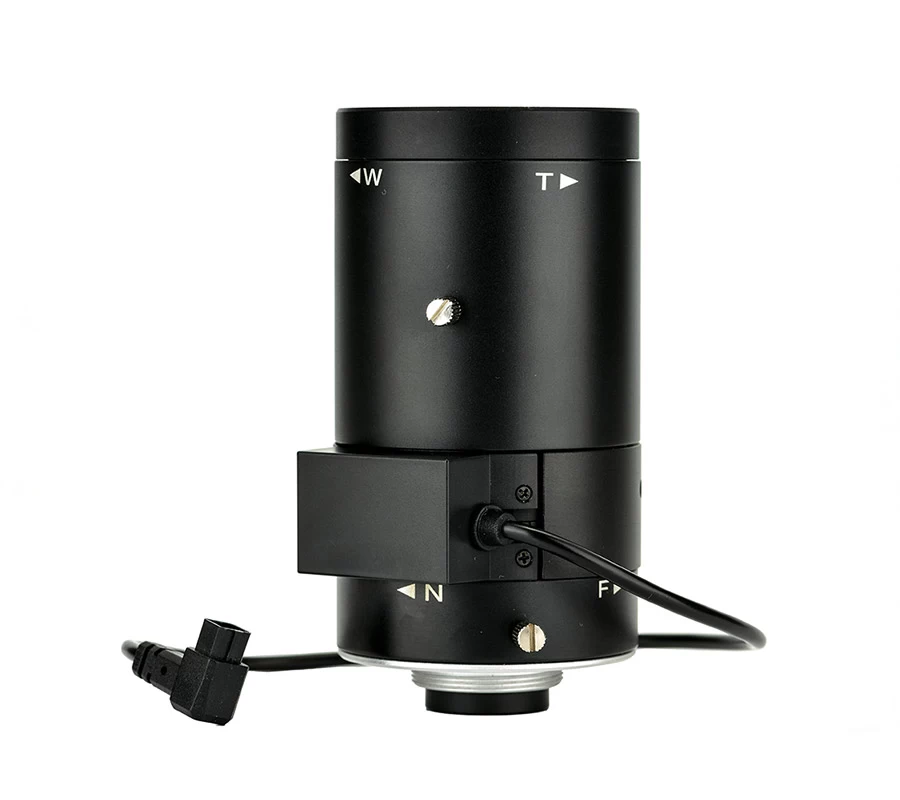
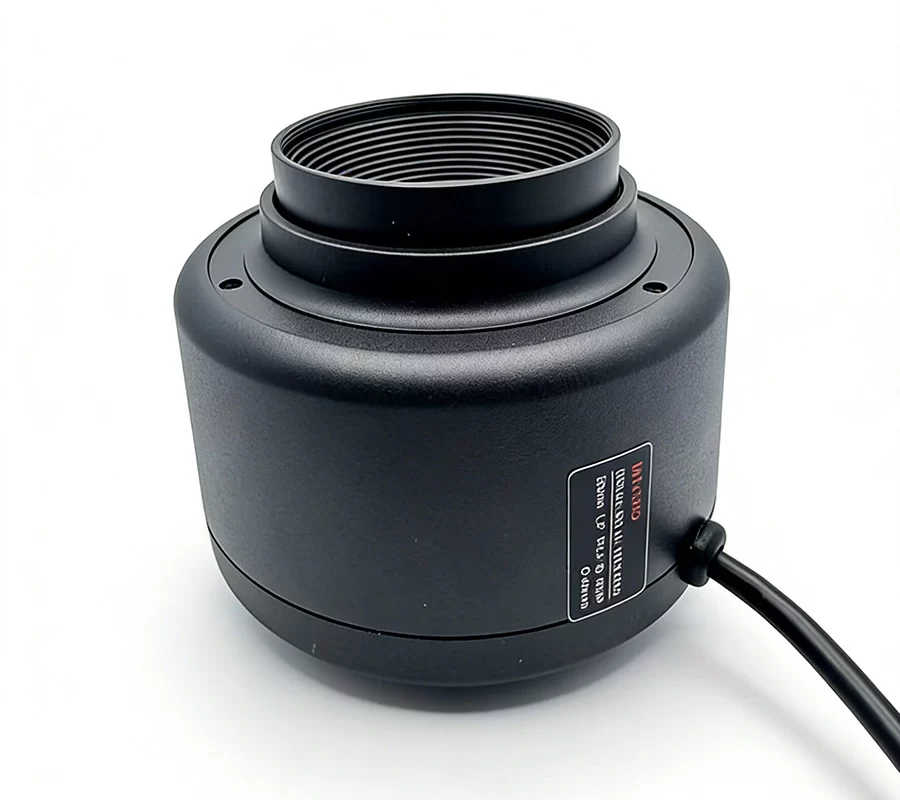
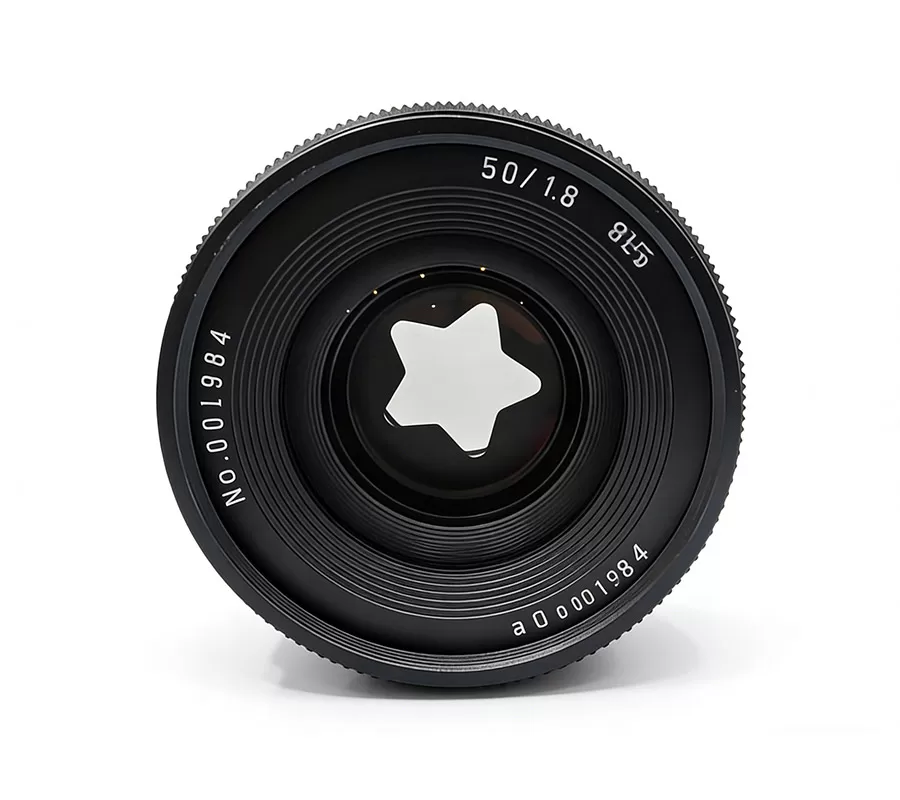
35mm FA Motorized Autofocus Industrial Lens, C-Mount, IPRAS ROI Tracking for Machine Vision Inspection
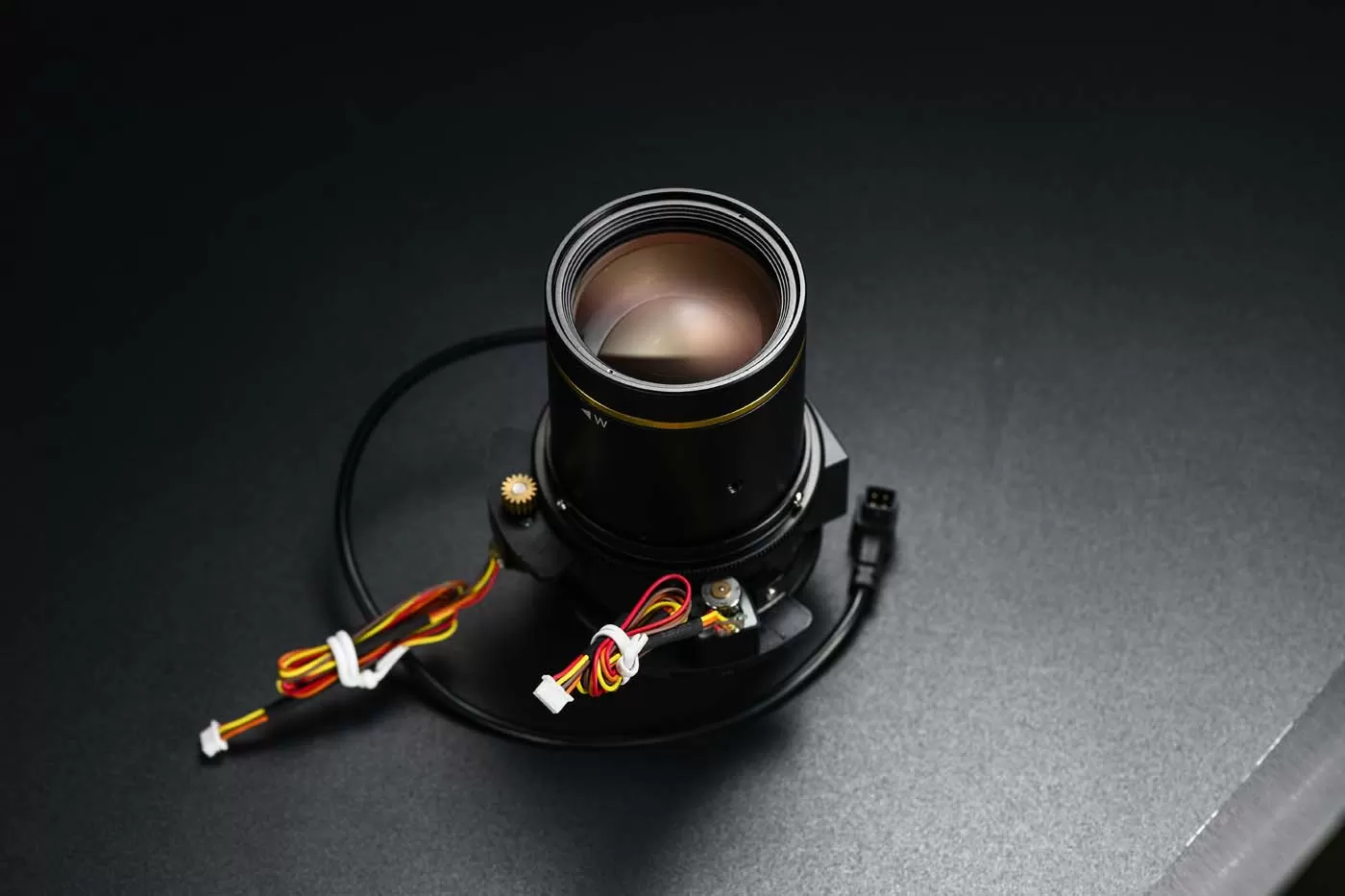
35mm FA Motorized Autofocus Industrial Lens
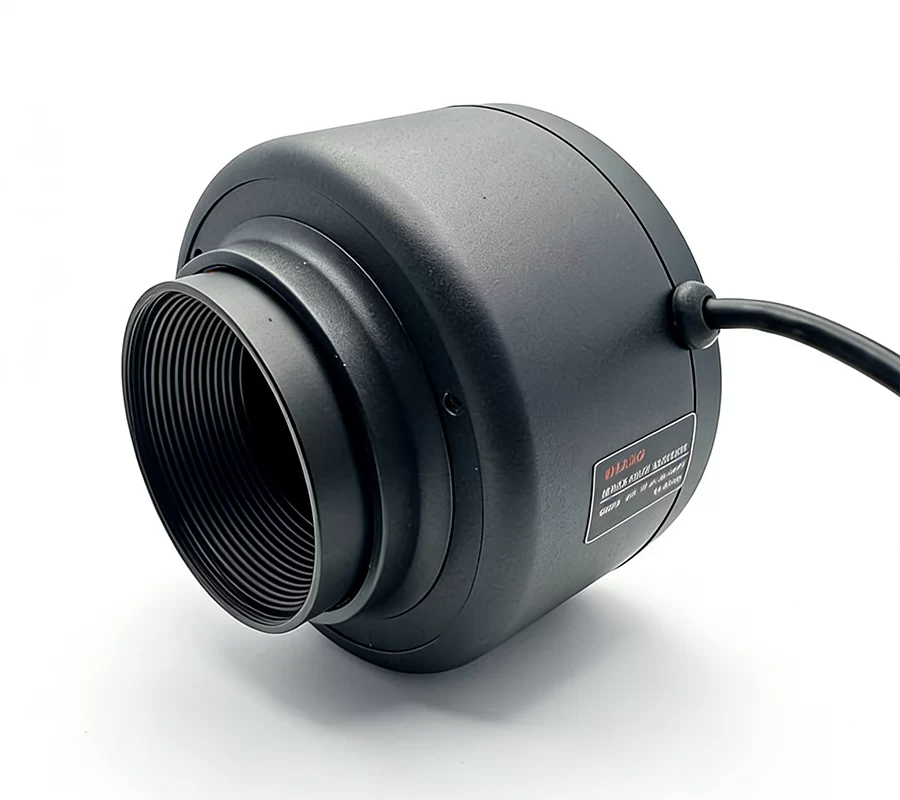
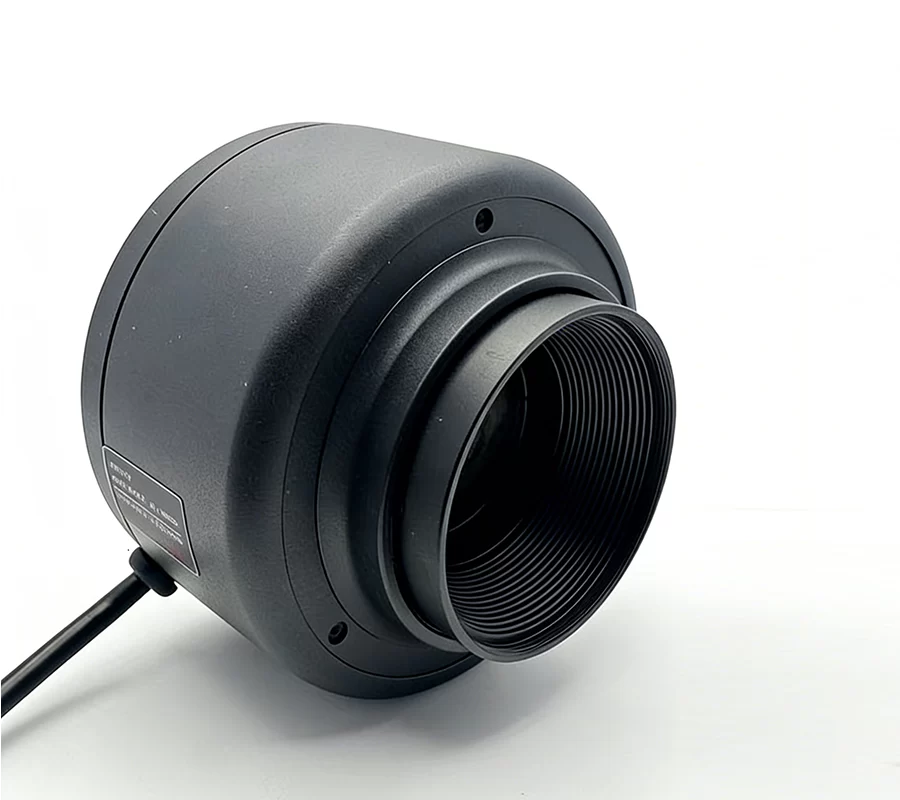
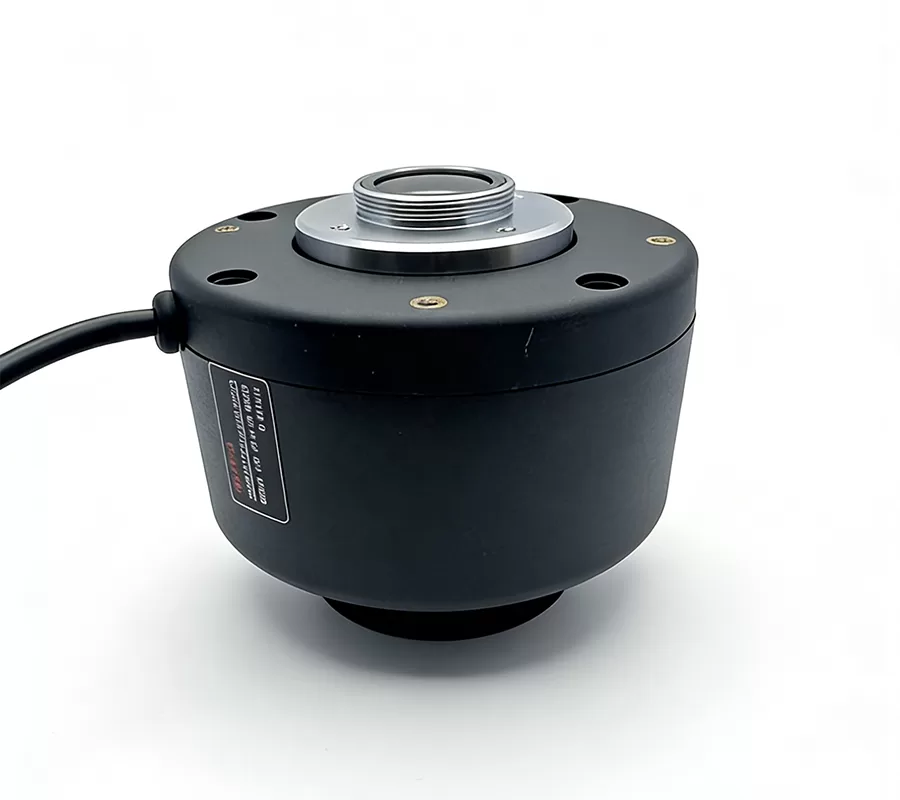
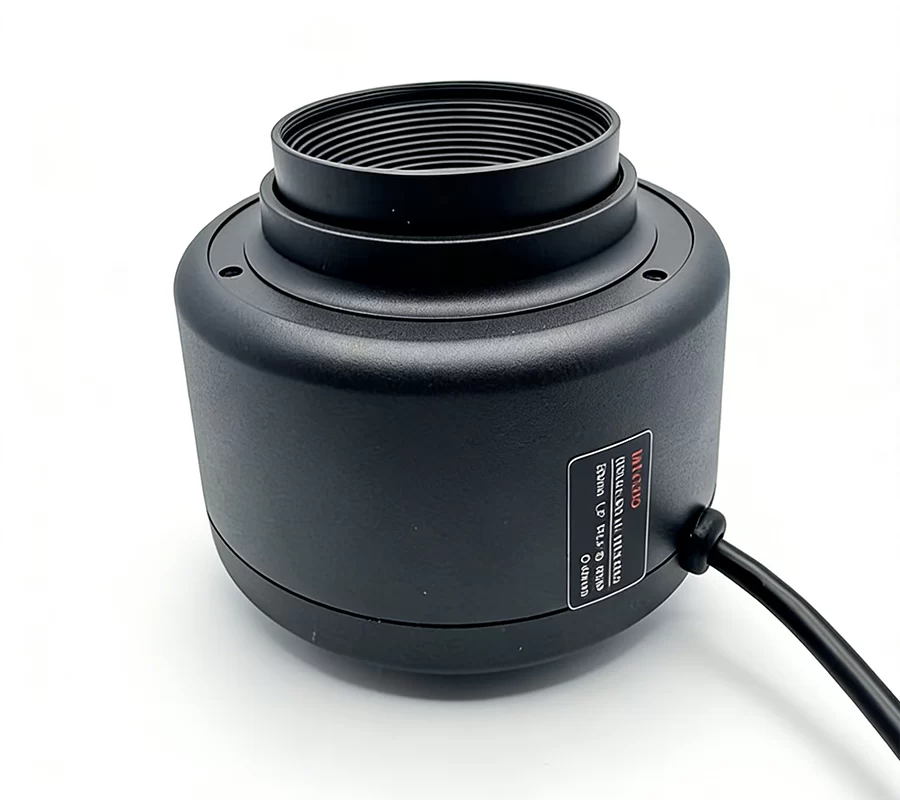
Specification of 35mm FA Motorized Autofocus Industrial Lens, C-Mount, IPRAS ROI Tracking for Machine Vision Inspection
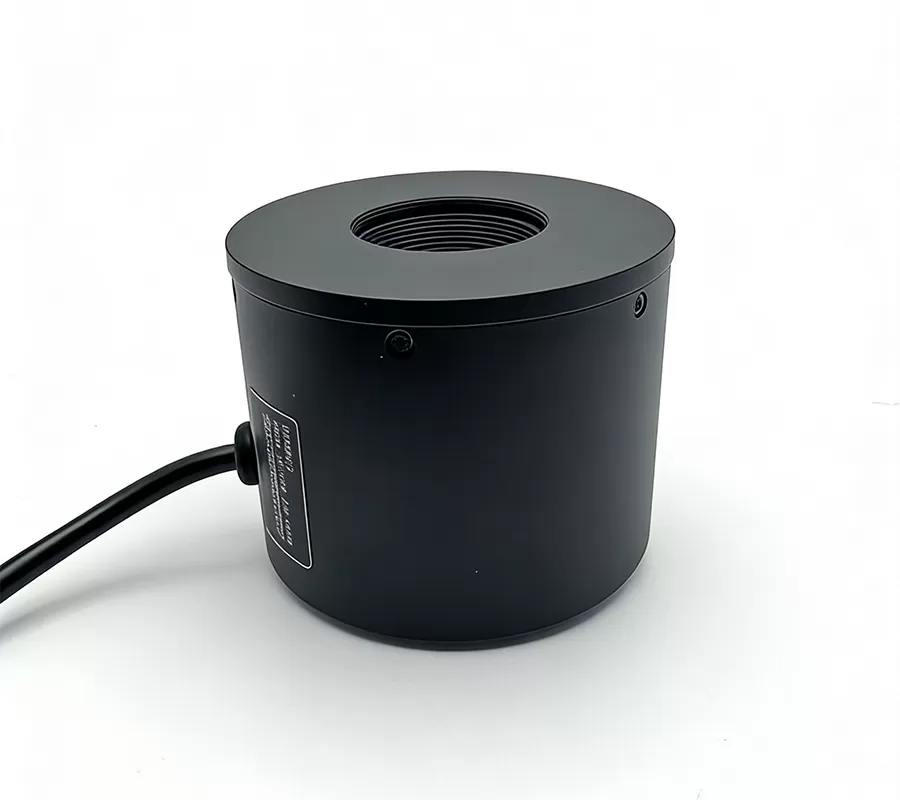
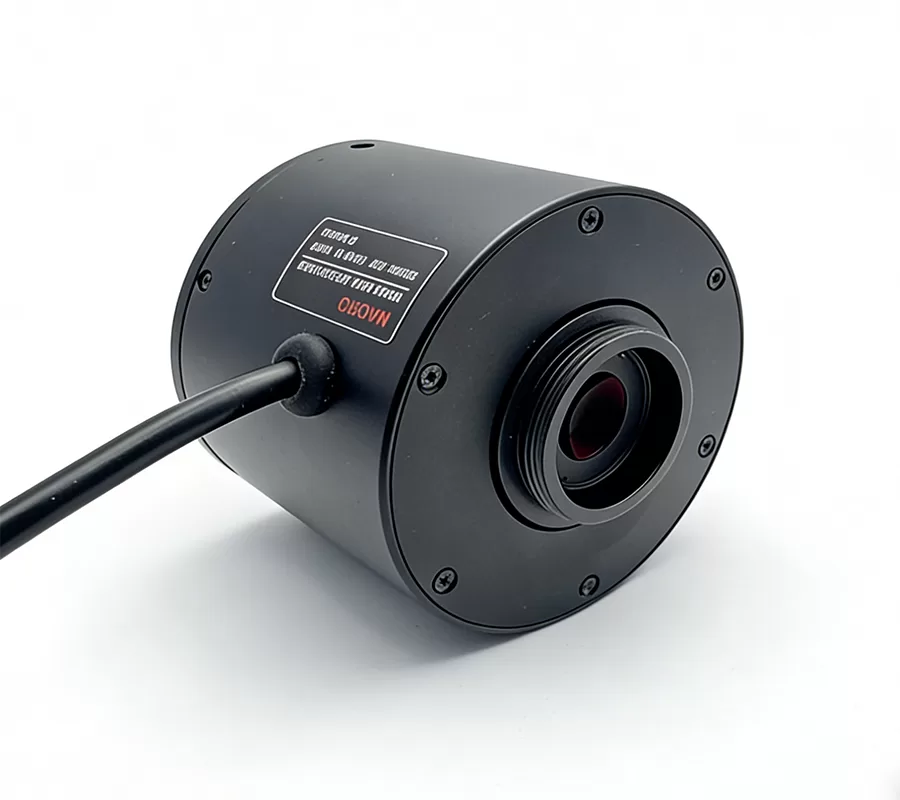
JOS812003524A is a high-performance, 35 mm focal length, intelligent motorized C-mount industrial lens developed by JOSIGHT. Engineered for demanding machine vision applications, it is optimized for use with 25-megapixel, 1.2″ (φ19.3 mm) format industrial cameras, while maintaining backward compatibility with 1/1.8″ sensors. The lens integrates two independent closed-loop stepper motors to enable precise, repeatable, and synchronized motorized control of focus and aperture. It supports IPRAS passive autofocus and continuous Region-of-Interest (ROI) tracking, enabling robust target locking under dynamic workpiece motion. Dual communication interfaces — USB and RS-485 — are provided with standardized protocols. Combined with high-resolution closed-loop encoders, they ensure micron-scale positioning repeatability and reliable command execution. Designed specifically for high-speed, high-accuracy automated visual inspection in industrial environments, the lens delivers exceptional optical fidelity, thermal resilience, and flexible system integration.
Key Specifications
· Focal Length: 35 mm
· Image Format: 1.2″ (φ19.3 mm); compatible with 1/1.8″ sensors
· Mount Interface: Standard C-mount
· Aperture Range: F2.4–F16 (motorized, stepless adjustment)
· Focus Working Distance: 80 mm to 1000 mm (full-range motorized)
· Distortion (at 1.2″ format): ≤0.06% (typical, measured at full field)
· Full-Field Relative Illumination: ≥80% (uniformity across image circle)
· Filter Thread: M46×0.5
· Control Architecture: Closed-loop motorized focusing and aperture actuation with encoder-based position feedback
· Communication Interfaces: Dual-mode USB 2.0 (HID-class) and RS-485 (half-duplex, Modbus-RTU compatible);
Core Technical Advantages
1. High-Accuracy Closed-Loop Motion Control: Dual independent closed-loop stepper actuators, each equipped with integrated high-resolution rotary encoders, guarantee precise micron-scale repeatability in focus and aperture positioning. Fully programmable via host PC; the RS-485 interface supports direct connection to PLCs, supporting precise command sequencing, absolute position recall, and real-time parameter adjustment.
2. Intelligent Autofocus & Dynamic Tracking: Native implementation of IPRAS (Intelligent Passive Real-time Autofocus System), enabling single-trigger autofocus initiation and continuous ROI-based tracking — even during rapid workpiece translation or vertical height variation. It eliminates manual refocusing and ensures consistent image sharpness across variable Z-depths.
3. Superior Optical Performance: Ultra-low geometric distortion (≤0.06% at 1.2″), high MTF performance across spatial frequencies, and uniform edge-to-edge illumination (≥80%) collectively enable high-precision metrology and reliable feature extraction. Fully validated for 25-MP sensors, delivering exceptional resolution, contrast, and detail fidelity.
4. Flexible System Integration: Dual-standard communication interfaces (USB and RS-485) support seamless interoperability with diverse vision platforms — including embedded controllers, industrial PCs, and PLC-based automation systems. Open, documented protocol stack enables rapid secondary development, custom GUI integration, and deployment within Industry 4.0-compliant production lines.
5. Extended Operational Range: Motorized focus range spanning 80 mm to 1000 mm accommodates both macro-scale close-up inspection (e.g., solder joint analysis) and mid-field observation (e.g., component alignment), reducing the need for multiple lenses in multi-station setups.
6. Industrial-Grade Environmental Robustness: Rated for continuous operation across –20 °C to +70 °C; reinforced mechanical housing with precision-machined aluminum alloy construction ensures long-term stability under vibration, thermal cycling, and factory-floor contamination.
Application Domains
1. In-Line Inspection in the 3C Electronics Industry: High-speed defect detection (scratches, foreign particles, indentations, character misprints), dimensional metrology (solder pad pitch, pin spacing, trace width), and OCR/QR decoding on PCBs, FPCs, connectors, chip carriers, and structural components. ROI tracking compensates for conveyor-induced Z-axis fluctuations; ultra-low distortion preserves geometric measurement integrity for pass/fail decisions per IPC-A-610 or similar standards.
2. Semiconductor & Micro-Precision Component Inspection: Surface and dimensional verification of lead frames, IC packages, auxiliary wafer inspection, optical elements, and MEMS devices. High-resolution imaging capability and stable focus reproducibility support mixed-product line changeovers and high-precision edge detection for contour-based AOI algorithms.
3. Visual Inspection in the New Energy Sector: Real-time monitoring of lithium-ion battery electrode sheets, tabs, cell casings, photovoltaic wafers, and auxiliary materials. Dynamic ROI tracking mitigates jitter-induced blur; ≥80% relative illumination minimizes false positives in peripheral regions; wide-temperature tolerance ensures reliability in humid, thermally variable battery cleanrooms and PV module assembly bays.
4. Automotive Component Automated Inspection: In-line verification of injection-molded parts, die-cast housings, gaskets, connectors, and sensor assemblies. IPRAS enables one-click autofocus and persistent tracking despite positional variance during part transfer — supporting crack/burr detection, print legibility assessment, gap measurement, robotic guidance, and re-inspection station integration.
5. Precision Machined Part Metrology: Automated size measurement and surface defect screening for fasteners, springs, mold inserts, and miniature hardware. The 80–1000 mm working distance enables unified deployment across micro-feature imaging and workstation-level observation; low-distortion optics support high-precision length, hole diameter, angular, and profile measurements complying with ISO 1101 geometric dimensioning & tolerancing standards.
6. Logistics, Packaging & Print Quality Assurance: High-throughput inspection of labels, pharmaceutical packaging, flexible pouches, and printed cartons. ROI tracking maintains barcode/QR code clarity amid material-level variation; algorithmic detection of smearing, omission, misregistration, and blurring supports zero-defect manufacturing and packaging quality compliance.
7. R&D & Intelligent Equipment Vision Systems: Laboratory-grade optical observation, material surface characterization, time-resolved dynamic imaging, and custom vision module development. Dual-interface architecture facilitates deep host-software integration, script-driven focus/aperture sweeps, and synchronization with motion stages or environmental chambers in automated experimental platforms.
8. General-Purpose Dynamic Production Line Vision: Universal application for moving workpieces across diverse industries — enabling visual-guided robotic pick-and-place, real-time sorting, classification, and inline quality gating. Motorized autofocus and ROI tracking eliminate manual intervention when encountering thickness variation, transport vibration, or inconsistent workstation heights — enhancing line flexibility, reducing commissioning time, and improving OEE.
Operational Guidelines
1. Mechanical Integration: The lens features a standard C-mount interface. When pairing with a camera, verify sensor format compatibility: maximum native support is 1.2″; smaller formats (e.g., 1/1.8″) will result in reduced field of view, not optical degradation. Handle with care during installation to prevent mechanical shock or optical surface abrasion.
2. Electrical Connection: USB and RS-485 interfaces operate independently; simultaneous use is not supported. Power must be supplied exclusively through the designated driver board. Configure communication parameters (baud rate, parity, stop bits) strictly per the official JOSIGHT Protocol Specification document.
3. Actuator Operation: The internal closed-loop encoder requires origin calibration upon initial power-up or after firmware reset. Never manually rotate the focus or aperture rings — these are motor-driven components; external force may damage gear trains, encoder couplings, or motor windings.
4. Environmental Conditions: Operate only within the rated ambient temperature range (–20 °C to +70 °C). Avoid prolonged exposure to dust-laden air, condensing humidity, or corrosive vapors (e.g., solvents, acids). For extended deployments in harsh settings, install an IP-rated protective lens hood.
5. Filter Compatibility: Use only M46×0.5 threaded filters. Thick filters may alter mechanical back focal length and cause vignetting or defocus.
6. Cable Handling: The standard 1500 mm shielded cable requires proper routing. Avoid sharp bends (>90°), tension loading, or repeated flexing near connectors to prevent conductor fatigue or signal integrity loss.
7. Storage & Maintenance: Store unused lenses capped in a desiccated, low-dust environment (e.g., sealed cabinet with silica gel). Clean optical surfaces exclusively with lint-free lens tissue and approved optical-grade solvent; never use abrasive cloths, compressed air, or untreated paper towels.