
The application of manual lenses for single-lens reflex cameras
Manual Focus Prime Lenses: Practical Use Cases for Astro, Architecture, Portrait & Video Shooting
Autofocus delivers convenience for casual snapshot work, yet it often encounters limitations in low-contrast, dim-light environments and creative shooting scenarios that demand intentional focus placement. This collection of manual focus primes covers multiple focal lengths for mirrorless systems: 7.5mm F2.8 APS-C ultra-wide fisheye, 25mm F1.8 APS-C compact prime, 35mm F0.95 APS-C prime, 35mm F1.2 APS-C portrait prime, and 50mm F1.8 full-frame prime with swappable aperture inserts. All of these lenses adopt manual focus design, allowing creators to set the focus plane by hand instead of relying on the camera’s autofocus algorithm.
1. Astrophotography & Night Sky Imaging
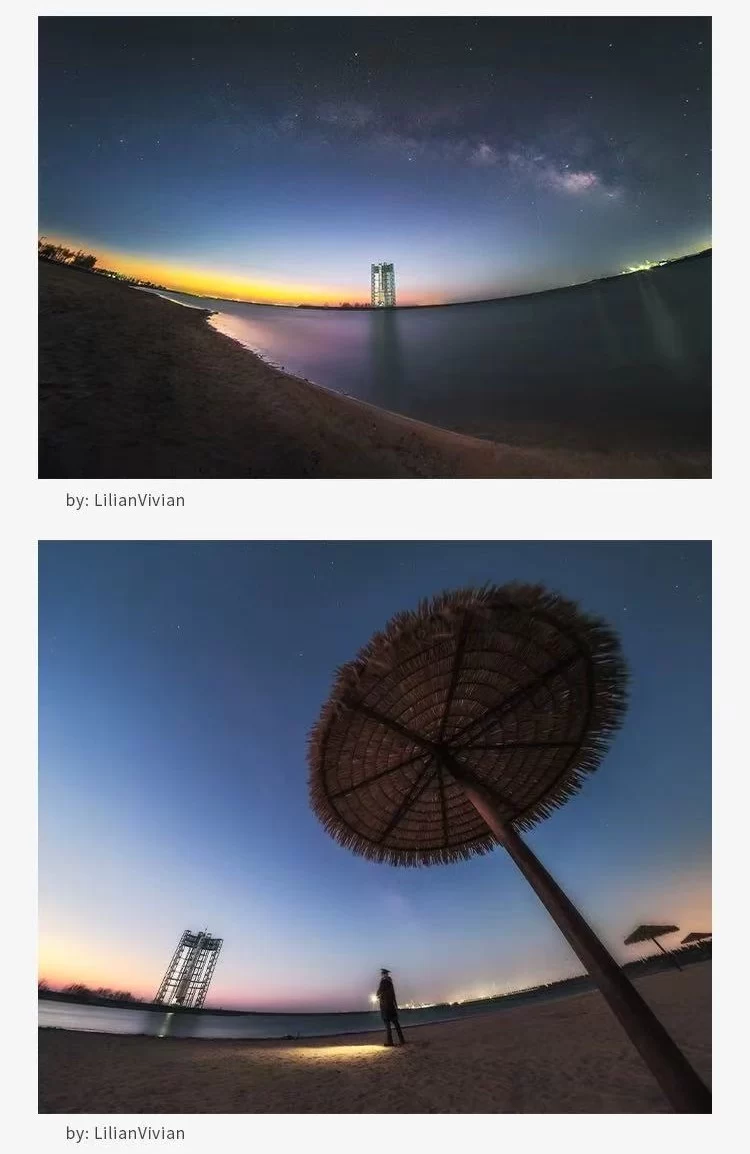
Night sky subjects carry low contrast, a common scenario where autofocus hunts and fails to settle on infinity. Manual focus gives photographers the ability to calibrate and lock the infinity plane steadily. The 7.5mm F2.8 fisheye is a natural fit for expansive all-sky compositions and stitched star trail panels. The 25mm F1.8, 35mm F1.2, and 50mm F1.8 work well for moderately framed star fields and lunar shots. The 35mm F0.95 provides a large maximum aperture to support low-light night capture, though its shallow depth of field demands careful focus verification to keep star points sharp. Photographers can use the camera’s focus peaking and live-view magnification to fine-tune focus before locking the setting. Once secured, focus stays consistent and is less prone to interference from distant ground lights or thin cloud layers. Different focal lengths offer varied framing choices, from wide panoramic sky shots to tighter celestial framing.
2. Architectural, Interior & Landscape Photography
Architectural and interior photography prioritises orderly geometry and predictable perspective. Autofocus can easily be confused by repetitive textures, glass reflections and grid surfaces inside buildings. The 7.5mm F2.8 fisheye helps capture sweeping overviews of building exteriors and large indoor spaces, while retaining the characteristic perspective of fisheye optics. The 25mm F1.8 sits in a moderate-wide range, suitable for landscape travel shots and room overviews without pronounced fisheye distortion. The 35mm F0.95 and 35mm F1.2 deliver a perspective close to human vision, which works nicely for galleries, residential rooms and corridor documentation. The 50mm F1.8 is suitable for isolating architectural details, window features and small landscape vignettes. Manual focus supports hyperfocal setting to balance sharpness across foreground and background. Keeping the lens level reduces converging verticals and lowers post-processing workload. Smooth, stable focus rings help avoid unintended focus shift during long tripod exposures. Creators can switch focal lengths to capture overview, medium and detail sequences within one location.
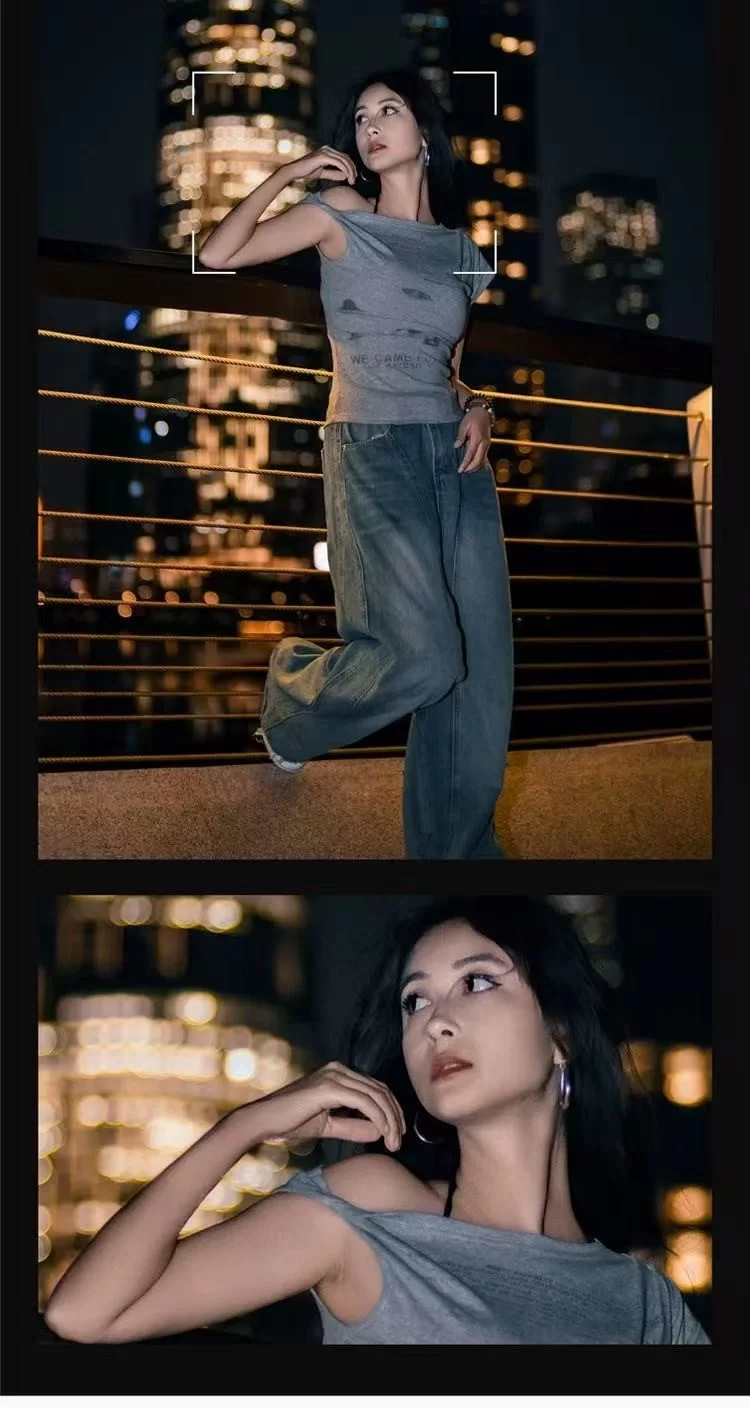
3. Portrait, Lifestyle & Indoor Atmospheric Shooting
Manual focusing enables precise, intentional control over where the sharp plane lands for portrait work. At wide open aperture, the 35mm F0.95 creates a very thin depth of field, well suited for atmospheric low-light indoor and night portraits. It requires deliberate focus adjustment because the usable sharp plane is narrow. The 35mm F1.2 adapts to environmental portraits, family documentary and everyday lifestyle frames. The 25mm F1.8 keeps more surrounding context in the frame, ideal for travel portraits and relaxed casual lifestyle shots. The 50mm F1.8 can produce patterned bokeh highlights from point light sources with its interchangeable aperture inserts. The 7.5mm F2.8 fisheye serves stylised, expressive wide-angle environmental portraits when a dramatic perspective is wanted. Wide apertures create shallow depth of field with little margin for focus error. Manual adjustment lets photographers place sharpness precisely on the subject’s eyes. Combined with focus peaking, these lenses perform reliably in dim cafes and domestic spaces, supporting a wide spectrum of portrait styles.
4. Cinematic Video, Vlog & Pull Focus Workflow
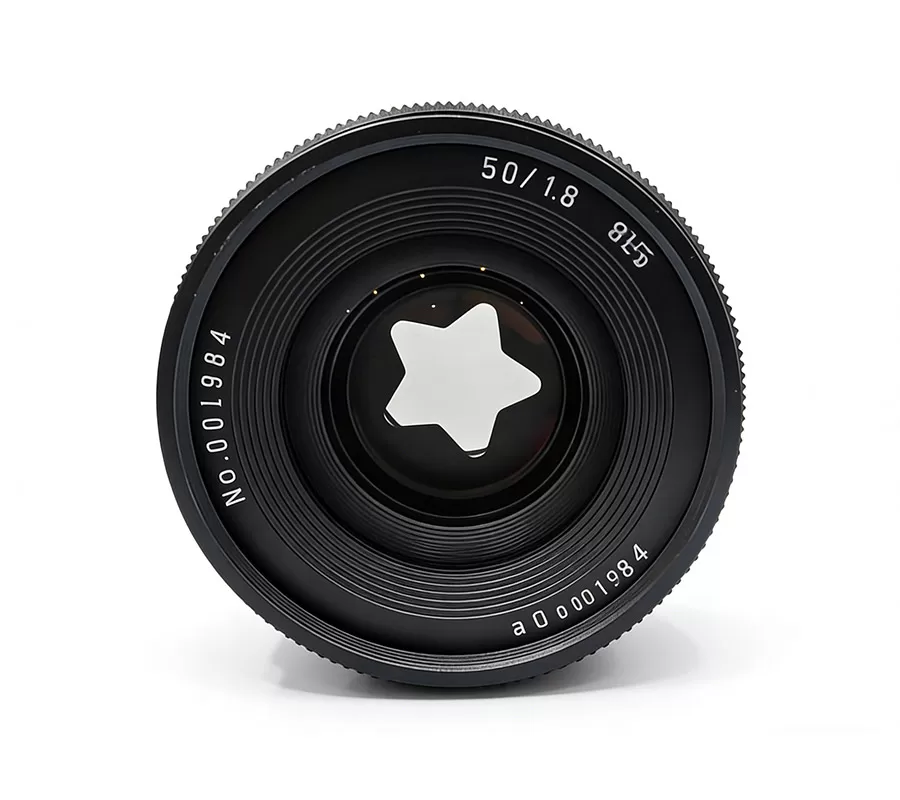
Unpredictable focus shifts and focus breathing can distract viewers, which is why many video creators choose manual focus systems. The 7.5mm F2.8 fisheye is effective for immersive establishing shots and first-person POV vlog scenes. The lightweight 25mm F1.8 is practical for handheld run-and-gun shooting and supplementary B-roll capture. The 35mm F0.95 supports moody low-light clips and interview close-ups with gentle background separation. The 35mm F1.2 fits interviews, location tours and standard medium framing. The 50mm F1.8 comes into play when decorative patterned bokeh is needed for night-time B-roll. Each lens in this lineup features a click aperture ring, making exposure adjustments during recording steady and repeatable. The smooth focus ring allows gradual pull focus transitions between foreground and subject. Many videographers pre-mark common focus distances before rolling footage for consistent results. Creators can alternate focal lengths to match different narrative framing needs for independent vlogs, interviews and small commercial projects.
5. Creative Shot, Backlight & Shooting Through Obstacles
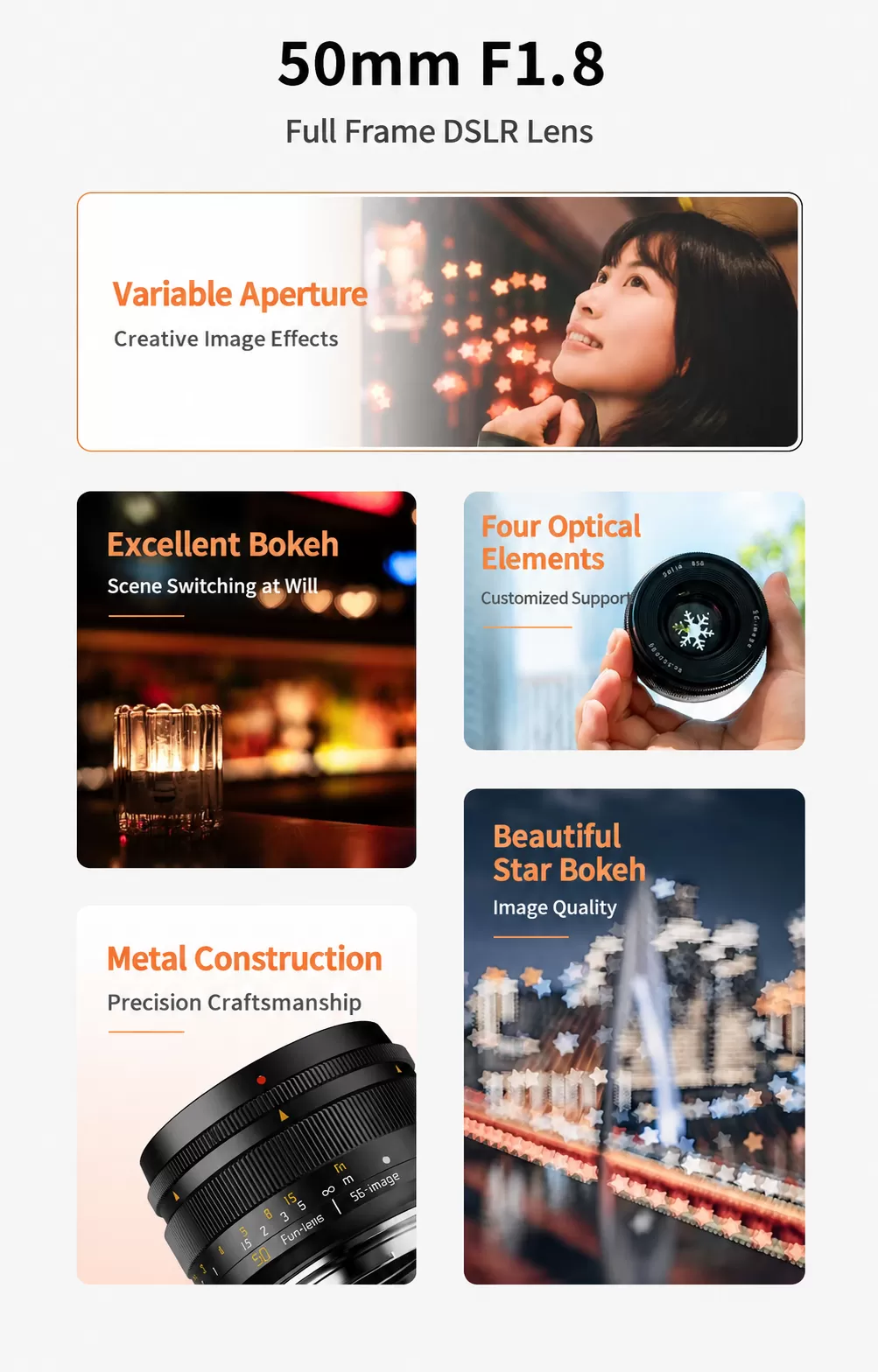 mesh, rather than the subject positioned behind them. Manual focus bypasses this limitation by letting the shooter select the intended focal plane. The 7.5mm F2.8 fisheye captures broad backlit city scenes shot through windows or barriers. The 25mm F1.8 works for casual backlit travel shots and display-window subjects. The 35mm F0.95 yields soft background separation for backlit portraits. The 35mm F1.2 handles general backlit portrait and gallery shooting scenarios. The 50mm F1.8 is the option to use when custom-shaped bokeh highlights are desired from out-of-focus point lights. This set of focal lengths supports varied backlit creative work, ranging from wide landscape backlighting and casual travel snapshots, to soft low-light portraits and stylised bokeh imagery. It adds flexibility for gallery visits and street photography shot through barriers.
6. Zone Focus for Street Photography
Street moments unfold rapidly and often leave limited time for fine focus tuning. Zone focus, also known as pre-focusing, pairs naturally with manual focus operation. The 7.5mm F2.8 fisheye has inherently deeper depth of field, which simplifies fast wide street snapshots. The compact 25mm F1.8 makes a dependable daily carry choice for street and travel documentary. The 35mm F0.95 and 35mm F1.2 are favoured by street photographers aiming for atmospheric available-light framing. The 50mm F1.8 works for mid-distance candid portraits and tighter close framing. A common zone focus setup uses F5.6–F8, with focus preset at 3–5 meters. Any subject falling within the depth-of-field range will render sharp, removing autofocus lag. This range of focal lengths covers expansive environmental street frames, portable daily snapshots, low-light street scenes and intimate candid documentary shots.
FAQ
Q: Are manual focus prime lenses good for astrophotography?
A: Yes. Manual focus allows you to lock infinity focus reliably, avoiding autofocus hunting on low-contrast night skies. Different focal lengths suit different sky compositions, each bringing unique depth-of-field behaviour.
Q: What is zone focus in street photography?
A: Zone focus is a pre-focus technique. You set aperture and focus distance in advance. Subjects inside the depth-of-field zone stay sharp, so you can shoot quickly without refocusing on every frame.
Q: Can manual focus prime lenses be used for vlogging and video?
A: Yes. Manual focus lenses support controlled pull focus, while click apertures deliver predictable exposure adjustments during recording. They are widely adopted by independent video creators.
Q: What camera mounts are compatible with these manual focus lenses?
A: This manual prime series fits multiple mirrorless mounts including E, Z, RF, M4/3, FX, EOS-M and L, supporting both APS-C and full-frame camera platforms.
Conclusion
Manual focus is more than a retro shooting style; it puts the decision of focal plane placement directly into the hands of photographers and videographers. Each focal length serves a distinct creative purpose: the 7.5mm F2.8 fisheye for wide immersive scenes, the 25mm F1.8 as a lightweight versatile option, the 35mm F0.95 for low-light work with very shallow depth of field, the 35mm F1.2 for documentary and environmental portraiture, and the 50mm F1.8 for custom bokeh creative work. All of them follow the same manual focusing workflow. Combined with the camera’s built-in focus peaking and magnification tools, manual focus becomes a practical solution whenever autofocus struggles, or when precise, artistic control over sharpness is the priority.
Advantages of Our Optics Manufacturing Solutions

Machine Vision & Industrial Inspection
Lenses: FA, line scan, telecentric, macro, zoom and IR series for defect detection, gauging and sorting.
Elements: ground and coated components for vision lens makers.

Semiconductor & Metrology
Lenses: custom assemblies for wafer inspection, alignment and metrology.
Elements: singlets, prisms and coated optics ground and coated to the surface accuracy your design calls for.

Security & Surveillance
Lenses: varifocal and motorized zoom lenses for ITS, traffic monitoring and security cameras.
Elements: ground and coated components for surveillance and ITS lens assemblies.

Medical Imaging
Lenses: custom assemblies for diagnostic and imaging equipment.
Elements: precision components for medical optical systems.

Automotive Sensing
Lenses: custom-built assemblies for automotive programs, developed to your optical and environmental specification.
Elements: lens components for ADAS, in-cabin sensing and automotive lighting, manufactured under IATF 16949.

Cinematography & Professional Imaging
Lenses: MIL mirrorless and FL cine series — PL, E and M mounts, full-frame.
Elements: ground and coated components for interchangeable lenses, projectors and broadcast optics.