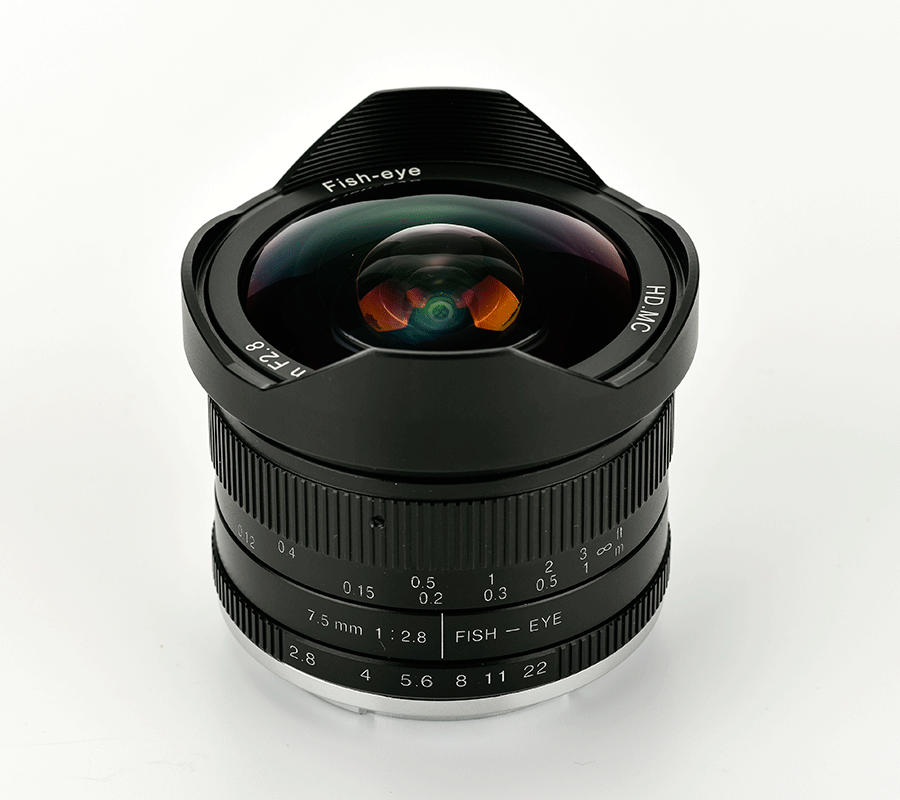
7.5mm F2.8 APS-C Ultra Wide Fisheye Lens,168° Manual Focus Lens for Starry Sky & Architecture
APS-C 7.5mm f/2.8 Fisheye Camera Lens | Metal Body Ultra Wide Angle Lens
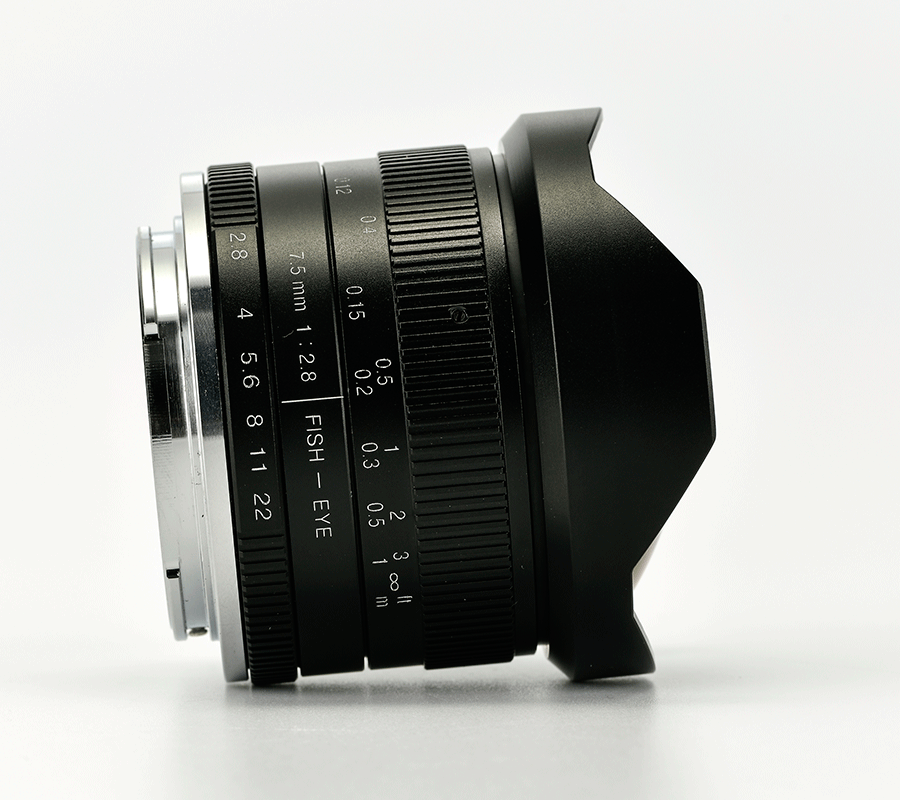
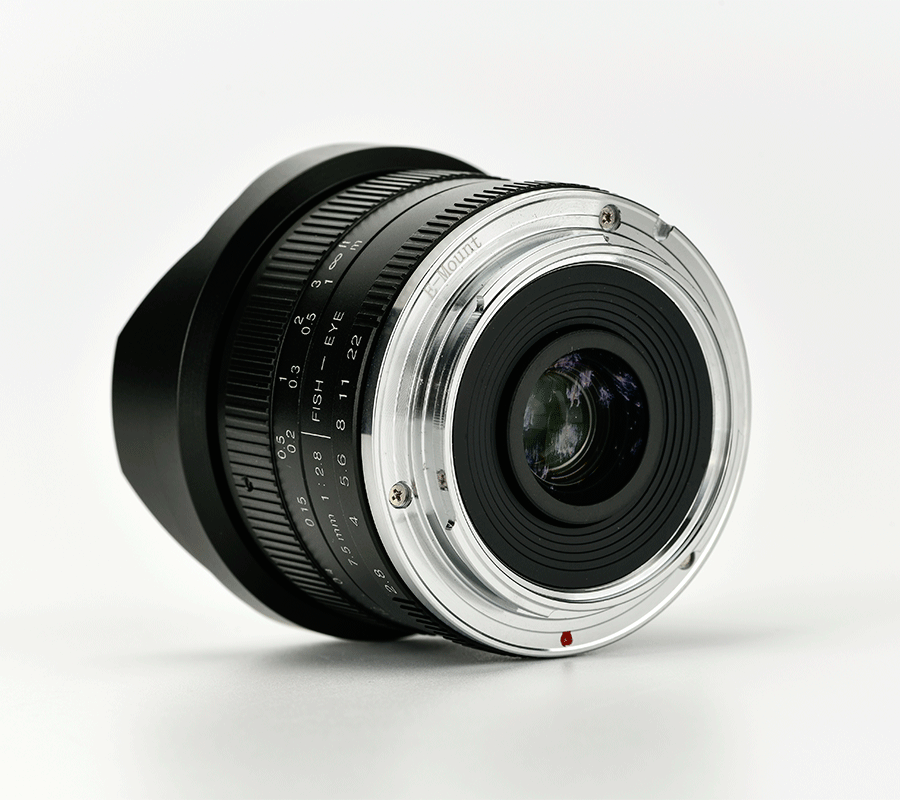
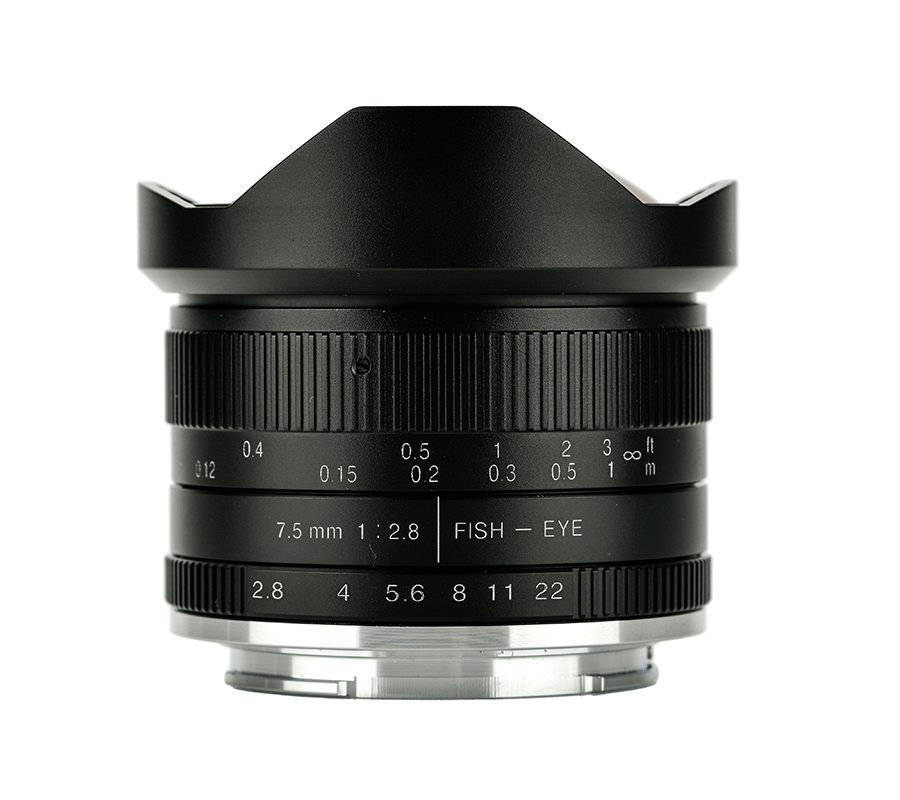
Specification of 7.5mm F2.8 APS-C Ultra Wide Fisheye Lens,168° Manual Focus Lens for Starry Sky & Architecture
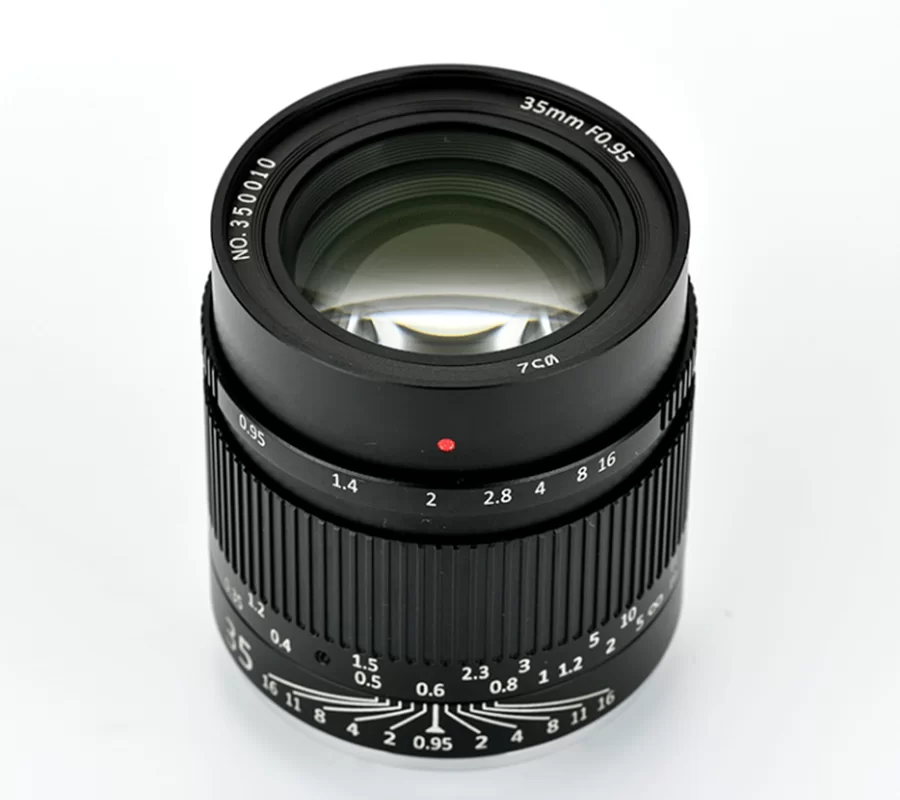
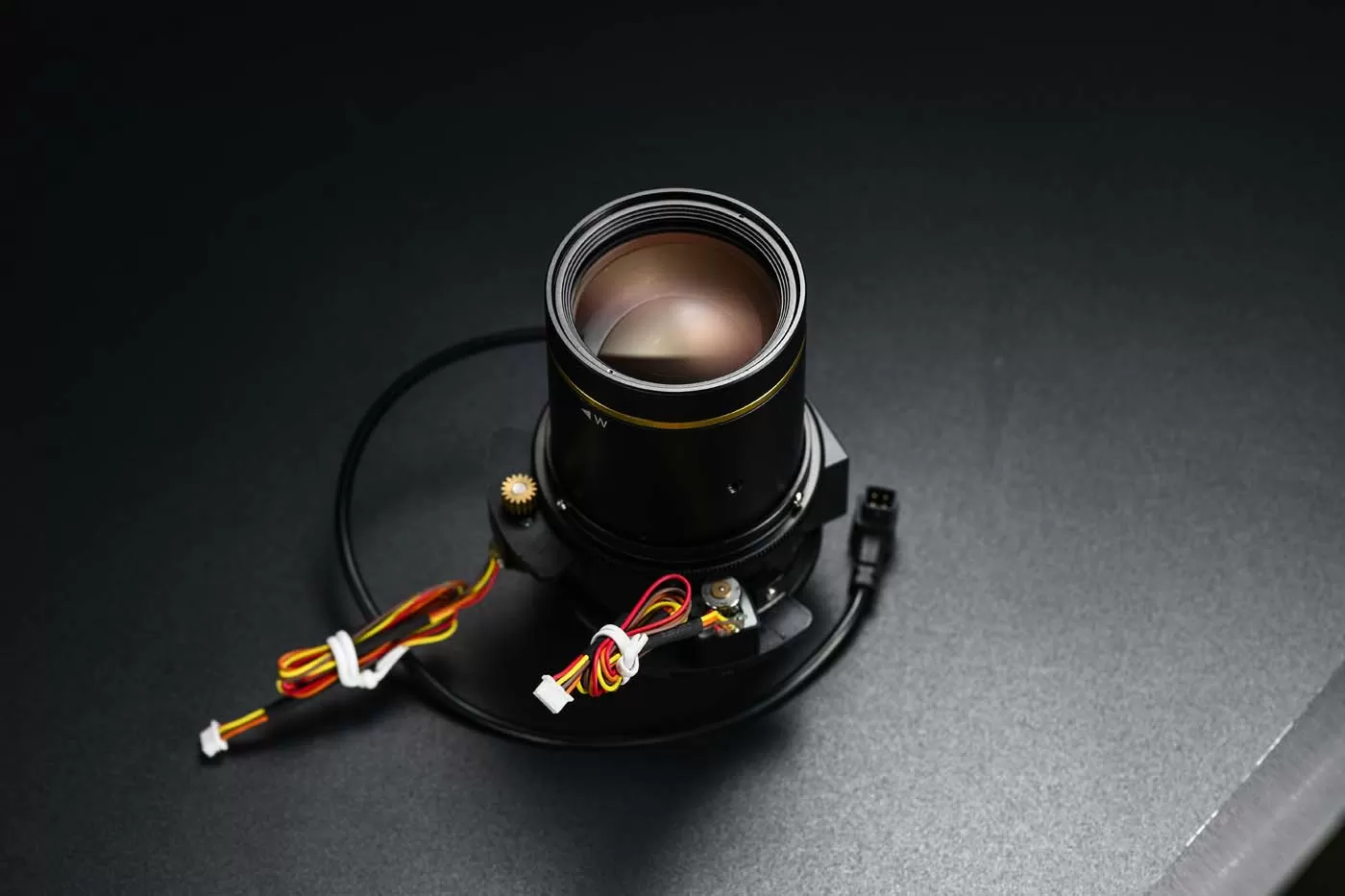
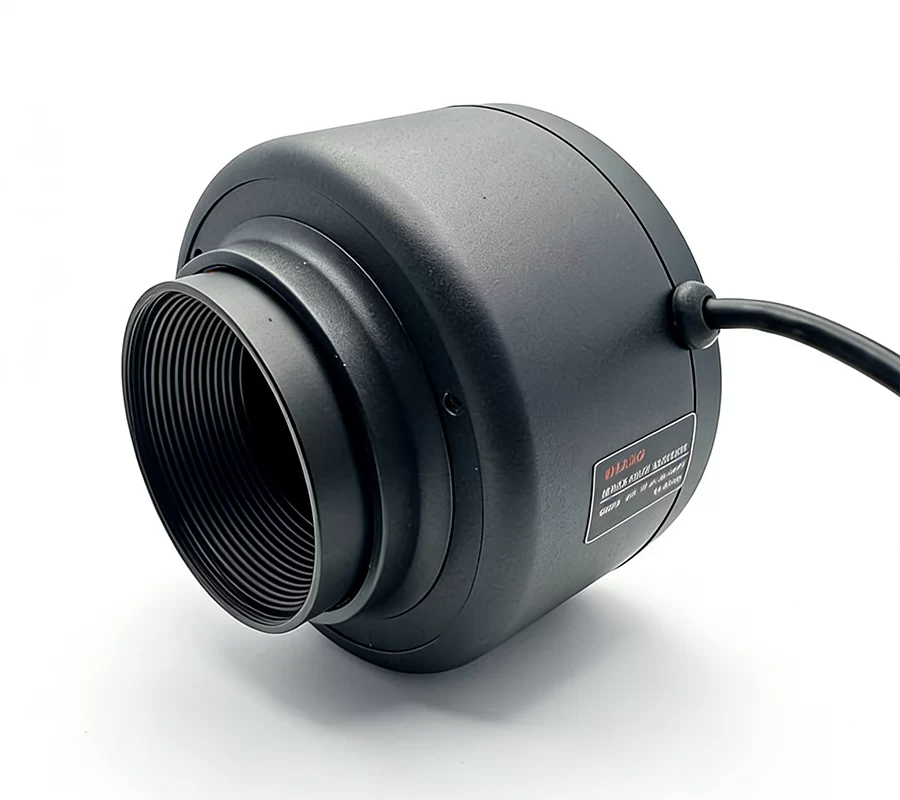
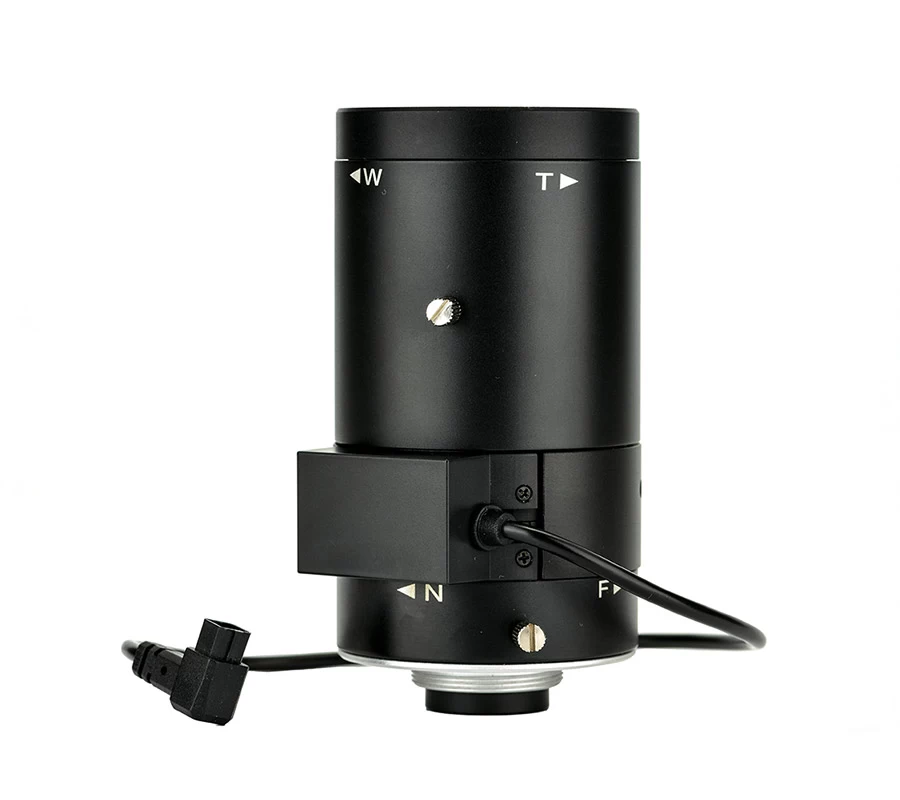
APS-C 7.5mm f/2.8 Fisheye Camera Lens | Metal Body Ultra Wide Angle Lens This 7.5mm F2.8 ultra-wide-angle fisheye lens supports multiple camera mounts including APS-C and M43 systems. Featuring a precision-machined metal barrel and delivering an exceptional 168° diagonal field of view (on APS-C), it achieves a rare balance of compact portability and high-fidelity optical performance. Designed as a fully manual lens, it serves photography enthusiasts, content creators, and professional landscape and architectural photographers seeking expressive, distortion-controlled wide-angle imagery at compelling value.
Core Specifications
· Mount compatibility: E / Z / FX / M43 / EOS-M / R / L
· Focal length: 7.5mm
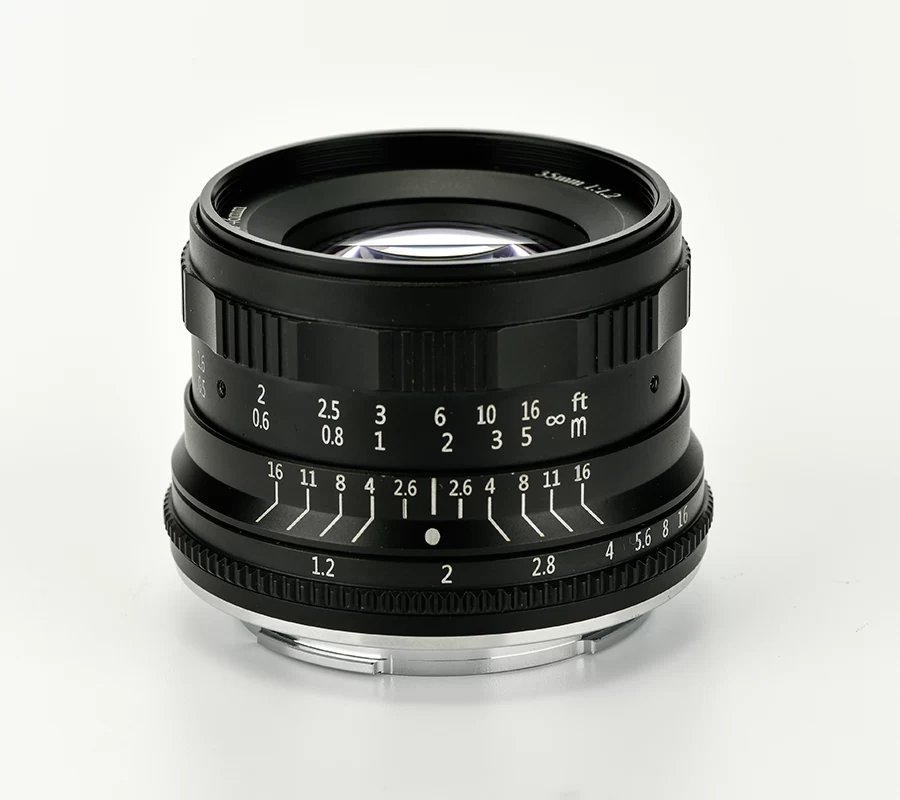
· Aperture range: F2.8–F16; 7 aperture blades with tactile click aperture ring for precise exposure control
· Diagonal angle of view: 168° (APS-C)
· Focusing range: 0.12 m to ∞
· Optical construction: 11 elements in 9 groups, including aspherical and low-dispersion elements optimized for ultra-wide aberration correction
· Filter thread: Not supported, no front filter mount
· Optical image stabilization: Not supported
· Construction: Full metal lens barrel; net weight: ≈326 g
· Lens Dimensions: 63mm × 54mm
Product Highlights
1. 168° Diagonal Field of View (APS-C) – Maximizes spatial immersion and compositional dynamism, enabling single-shot capture of expansive environments while preserving edge-to-edge sharpness and controlled perspective rendering.
2. F2.8–F16 Click Aperture – Constant F2.8 maximum aperture delivers superior low-light sensitivity and flexible depth of field. The click aperture ring provides clear tactile feedback at each stop, for repeatable, intuitive exposure adjustment — ideal for video and time-lapse workflows.
3. Advanced 11 Elements in 9 Groups Optical Design – Incorporates specialized aspherical and low-dispersion glass elements to suppress barrel distortion, lateral chromatic aberration, and vignetting across the frame, maintaining high resolution and color fidelity even at F2.8. A minimum focus distance of 0.12 m supports creative close-range wide-angle composition without sacrificing focus sharpness.
4. Robust All-Metal Build & Optimized Ergonomics – CNC-machined metal lens barrel ensures long-term mechanical reliability. Knurled focus and click aperture rings bring stable handling and tactile precision during manual operation.
5. Fully Manual Operation (Focus + Aperture) – No electronic contacts. Works consistently across all supported camera mounts, including legacy and third-party camera bodies. Perfect for astrophotography, cinematic video, and creative long-exposure shooting where full manual control is required.
Ideal Use Cases
1. Astrophotography & Night Sky Imaging – The combination of ultra-wide field of view and bright F2.8 aperture efficiently gathers light over large sky areas, delivering high signal-to-noise shots of the Milky Way, star fields and star trails. Great for single-frame deep-sky capture and multi-segment panoramas.
2. Landscape & Environmental Photography – Captures immersive, context-rich scenes from mountain ridges to seascapes, enhancing foreground details and natural depth layering. The optimized optical design preserves linear integrity across the frame and reduces post-processing workload.
3. Architectural & Interior Documentation – Renders interior spaces, structural geometry and spatial relations in tight environments such as apartments, galleries and heritage sites. Minimizes converging verticals when kept level, suitable for both artistic shooting and technical documentation.
4. Cinematic Video & Vlog Production – Creates immersive wide environmental framing for storytelling. The click aperture ring enables stable, repeatable exposure adjustment during recording, compatible with follow-focus systems and gimbal handheld shooting.
5. Creative Wide-Angle Portraiture & Still Life – Creates expressive dimensional portraits with controlled perspective exaggeration. The 0.12m minimum focusing distance supports close-up shots for products, collectibles and textured surfaces, retaining edge sharpness with well-managed distortion.
6. Urban Exploration & Panoramic Capture – Supports single-row or multi-axis panoramic stitching with low parallax error. Consistent edge performance and well-controlled geometric distortion simplify image alignment and blending in post-production.
Important Notes
1. No Filter Thread: This lens does not support front filter attachment. UV, CPL or ND filters cannot be mounted directly. To reduce flare and ghosting under strong directional sunlight, use a compatible lens hood, manually shade the front element or adjust shooting angles. Filter-based lens protection is unavailable.
2. No Optical Image Stabilization: Handheld shots slower than 1/30 s (especially night or indoor shooting) may suffer motion blur. A tripod is strongly recommended for astrophotography, architectural long exposures and time-lapse. If your camera has in-body stabilization (IBIS), it can assist short handheld shots but cannot replace a tripod for critical sharpness.
3. Controlled Perspective Distortion: As an ultra-wide fisheye optic, straight lines near frame edges show mild barrel curvature. This is an inherent optical characteristic instead of a product defect, within standard tolerance for this class of lens. Correction profiles are available for Adobe Lightroom, Capture One, DxO OpticsPro. Leave 5–10% extra margin in composition for automatic distortion correction.
4. Manual Focus & Aperture Only: Autofocus and electronic aperture control are not supported. Set your camera to Manual (M) or Bulb (B) mode; focus and aperture must be adjusted physically via lens rings. Please verify manual exposure compatibility with your camera before purchase.
5. Backlit Flare Risk: Thanks to its wide entrance pupil and complex optical structure, the lens may produce veiling glare and reduced contrast when bright light sources are inside or near the frame. Adjust framing, add lens shading or use graduated ND techniques (no front filters) to retain contrast and fine details.
6. Minimum Focus Distance Definition: The 0.12m focusing distance is measured from the camera sensor plane, not the front lens element. Focusing closer than 0.12m will lead to soft, low-contrast images. Avoid contact between front lens element and any surface to prevent scratches and coating damage, which will hurt light transmission and flare performance.