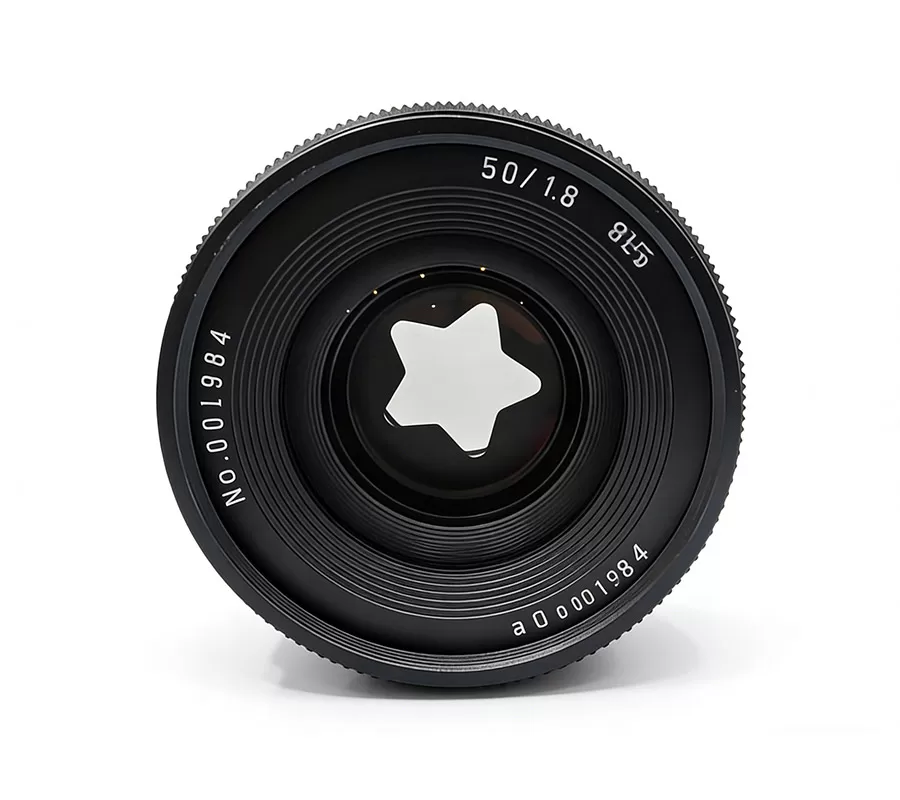
35mm F0.95 APS-C Manual Prime Lens, Night King Ultra-Fast Large Aperture Lens with High Luminous Flux for Low-Light Portrait, Night Scene & Street Photography for E/Z/FX/M43/EOS-M/R/L Mount
APS-C 35mm F0.95 Night King Manual Prime Lens,All Metal Ultra-Fast Lens
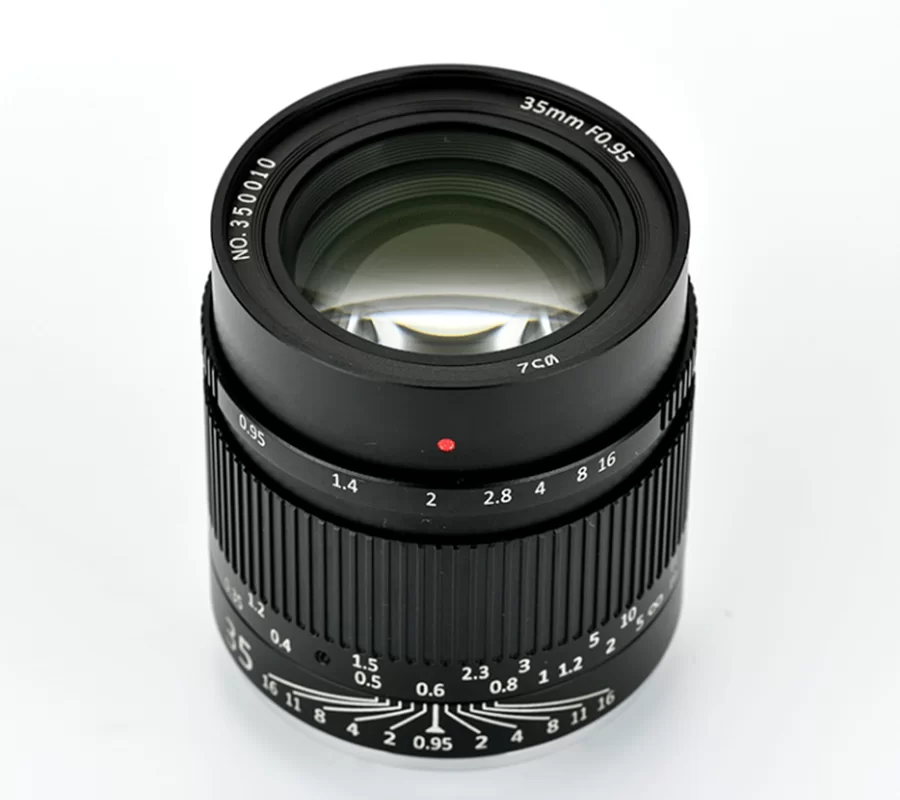
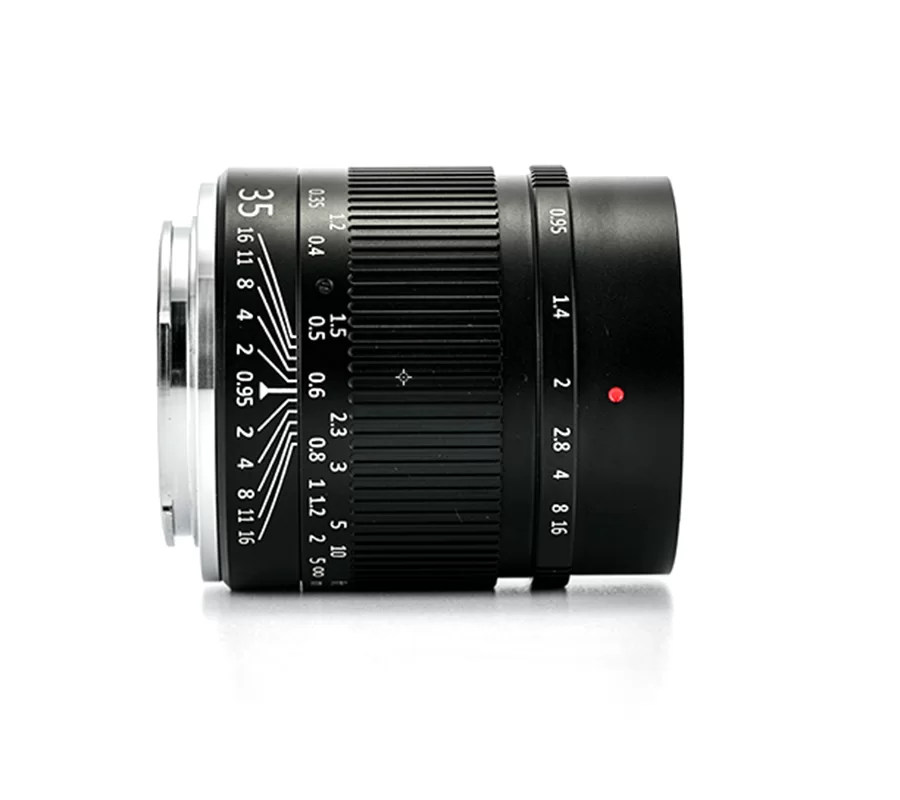
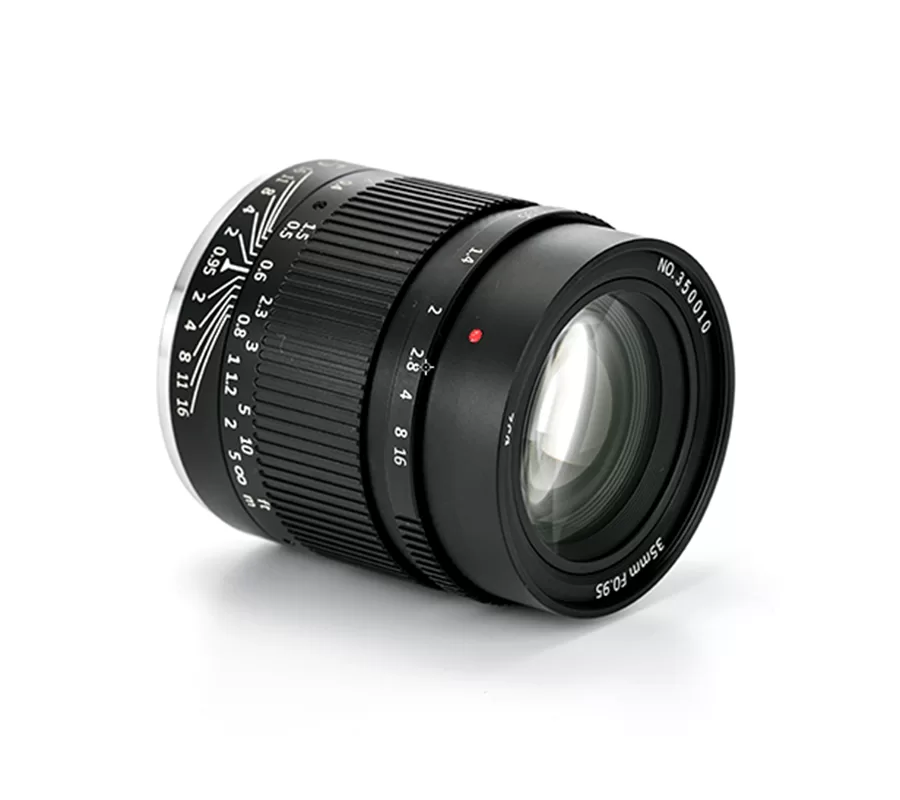
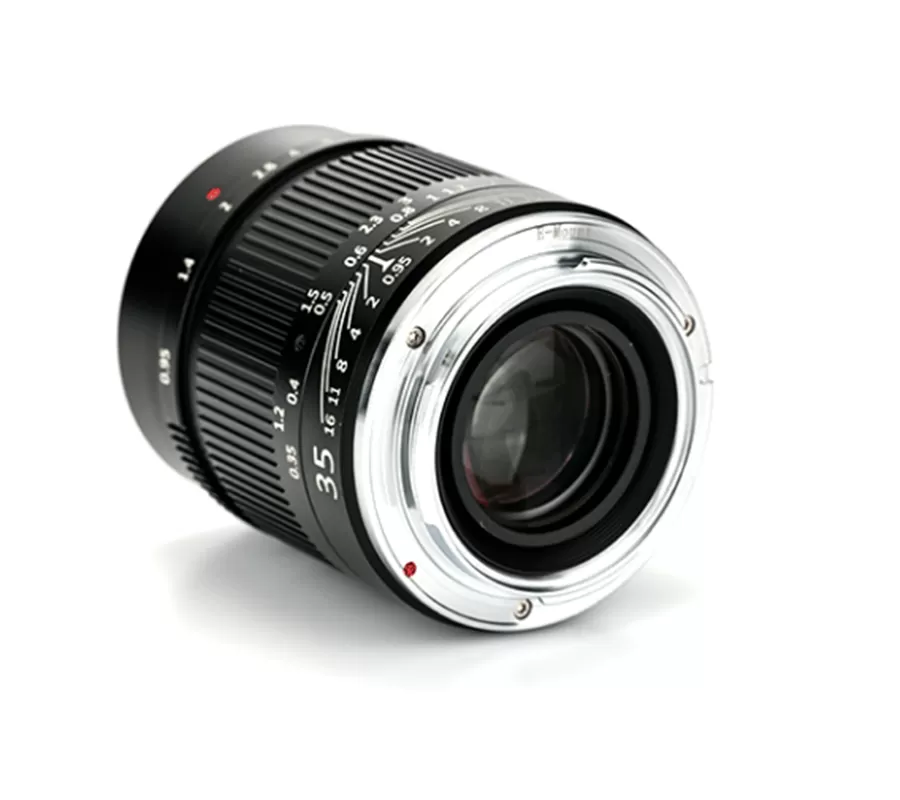
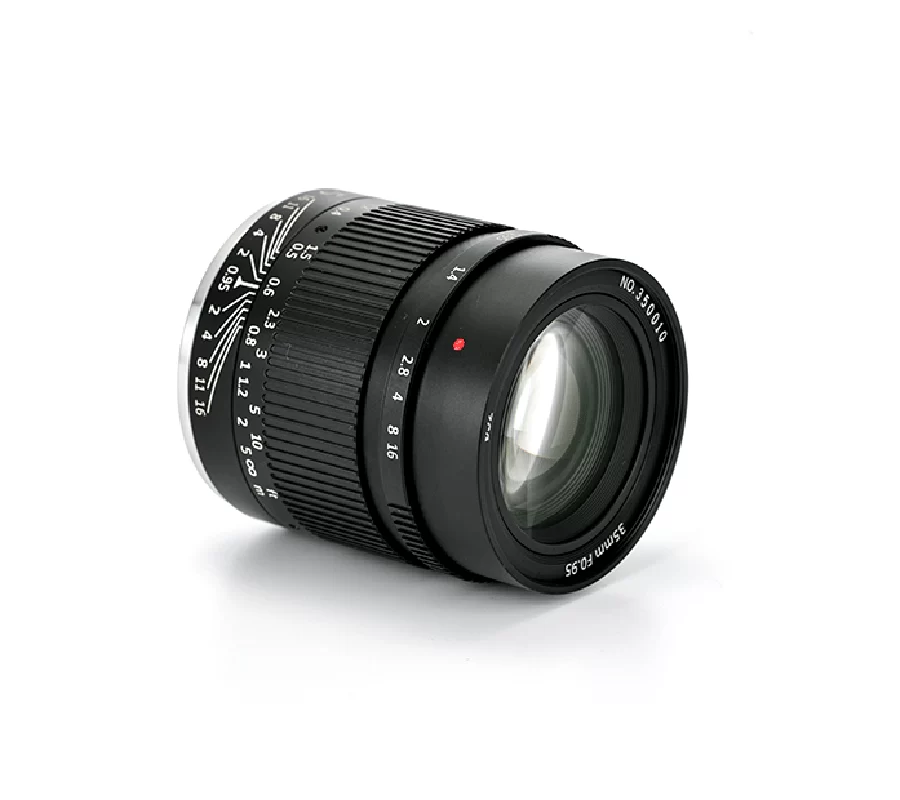
Specification of 35mm F0.95 APS-C Manual Prime Lens, Night King Ultra-Fast Large Aperture Lens with High Luminous Flux for Low-Light Portrait, Night Scene & Street Photography for E/Z/FX/M43/EOS-M/R/L Mount
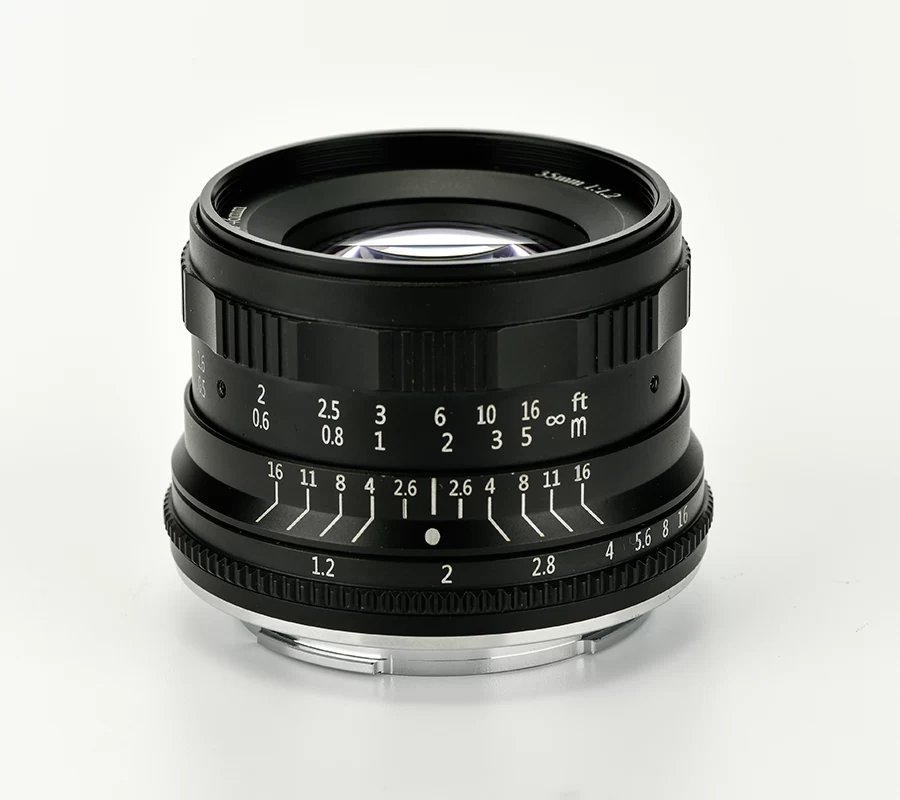
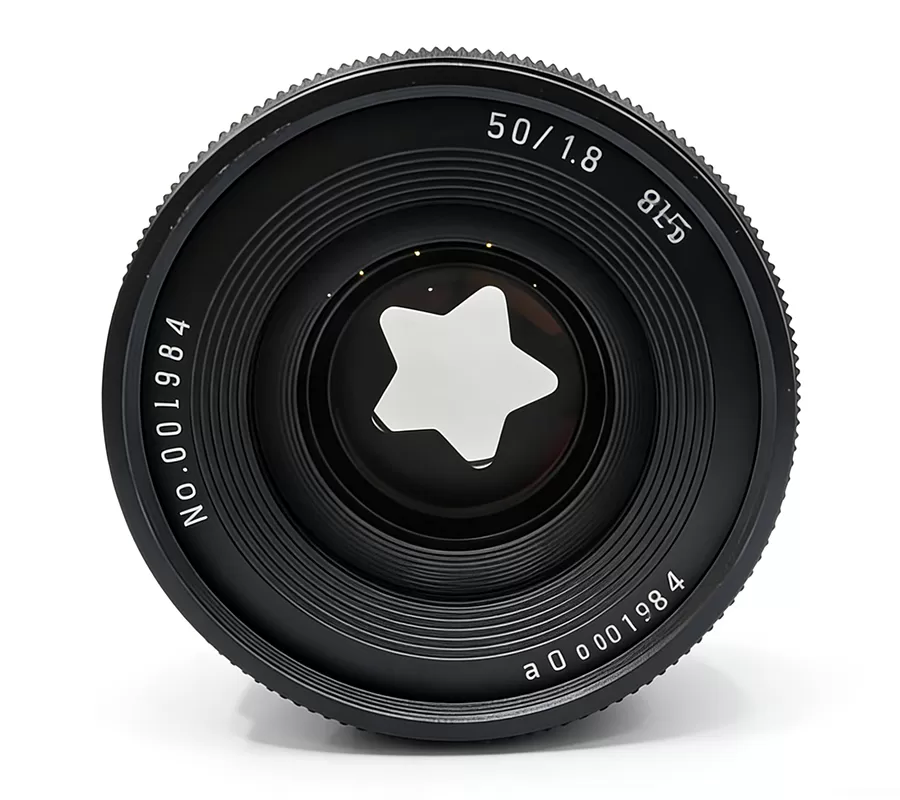
This 35mm F0.95 manual prime lens is purpose-engineered for APS-C crop-sensor mirrorless camera platforms. Constructed with a precision-machined all-metal barrel, it delivers a 44° diagonal field of view. Boasting an ultra-fast F0.95 maximum aperture, this optic greatly elevates luminous flux gathering efficiency under low-illuminance conditions. Its optical layout adopts a 9-group 12-element configuration paired with 12 curved aperture blades, rendering smooth circular bokeh and controlling spherical aberration. Equipped with a tactile click aperture ring, this fully manual optic targets street photographers, portrait artists and nocturnal imaging practitioners. It suppresses sensor noise by lowering ISO requirements in dim lighting, with a well-balanced form factor at approximately 393g.
Core Specifications
· Frame: APS-C crop sensor
· Focal length: 35mm
· Aperture range: F0.95-F16
· Diagonal Viewing angle: 44°
· Focusing range: 0.35m to infinity
· Aperture blade: 12 blades
· Aperture ring: Click aperture
· Filter thread size: 52mm
· Lens barrel material: Metal
· Optical construction: 9 groups 12 elements
· Mount compatibility: E/Z/FX/M43/EOS-M/R/L Mount; Optical image stabilization not integrated
Ideal Use Cases
1. Low-light Street & Nocturnal Photography – The ultra-fast F0.95 aperture maximizes luminous flux capture in twilight environments, reducing ISO gain and shot noise for street candid, urban nightscape and ambient-light city shooting. Its 44° FOV balances subject framing and environmental context for documentary street imagery.
2. Environmental Portrait & Figure Imaging – The 35mm standard perspective minimizes perspective distortion, ideal for medium shot and environmental portraits. 12-blade aperture delivers gradual background separation, isolating subjects while preserving contextual scene information in interior environments.
3. Indoor Event & Low-luminance Documentation – Suitable for dimly lit indoor gatherings, gallery exhibits and on-site event recording. It maintains sufficient shutter speed to mitigate motion blur without relying on flash illumination, thanks to high luminous flux delivery at wide-open aperture.
4. Urban Nightscape & Point Light Source Shooting – Performs well with neon signage, night market and urban point highlights. The multi-blade iris yields soft out-of-focus highlights for creative night scene rendering, with ample luminous flux to retain fine details in shadow regions.
5. Tabletop Still Life Macro-adjacent Shooting – The 0.35m minimum focus distance supports close-range still-life capture. The large aperture enables subject isolation for handicrafts and desktop objects, achieving effective background decoupling, and sufficient luminous flux allows shooting under weak table lighting.
6. Cinematic Low-light Vlog Production – The detented click aperture ring supports repeatable exposure tuning during video capture. The rigid metal chassis delivers stable handling for indoor and night-time vlogging, favored by creators seeking manual cinematic control.
Operational Guidelines
1. Manual Focus Operation: This lens is manual-focus only, no autofocus actuator. Rotate focus ring for focus calibration; activate focus peaking or digital magnification on camera for precise focal plane positioning. Note that F0.95 yields extremely shallow depth of field, demanding precise focus control.
2. Aperture Adjustment: Rotate the detented click aperture ring to modify iris opening. F0.95 provides maximum luminous flux; stopping down to F2.8-F8 improves edge sharpness and extends depth of field for higher overall optical performance.
3. Mount Installation: Align the red index marker on lens mount with the marker on camera body, twist clockwise until locked. Verify mount compatibility before assembly; do not apply excessive force during mounting.
4. Optical Element Maintenance: Clean front lens surface with lint-free optical microfiber cloth. Avoid direct fingertip contact with optical surfaces. Attach lens cap when idle to prevent particulate contamination and surface scratches.
5. Maximum Aperture Shooting Notes: At F0.95, focus tolerance is narrow. Minor focal plane offset will lead to subject softness. Use a tripod for static subjects to reduce motion artifacts.
6. Filter Implementation: Compatible with standard 52mm screw-in optical filters. Select low-profile thin filters to avoid peripheral vignetting at F0.95 maximum aperture.