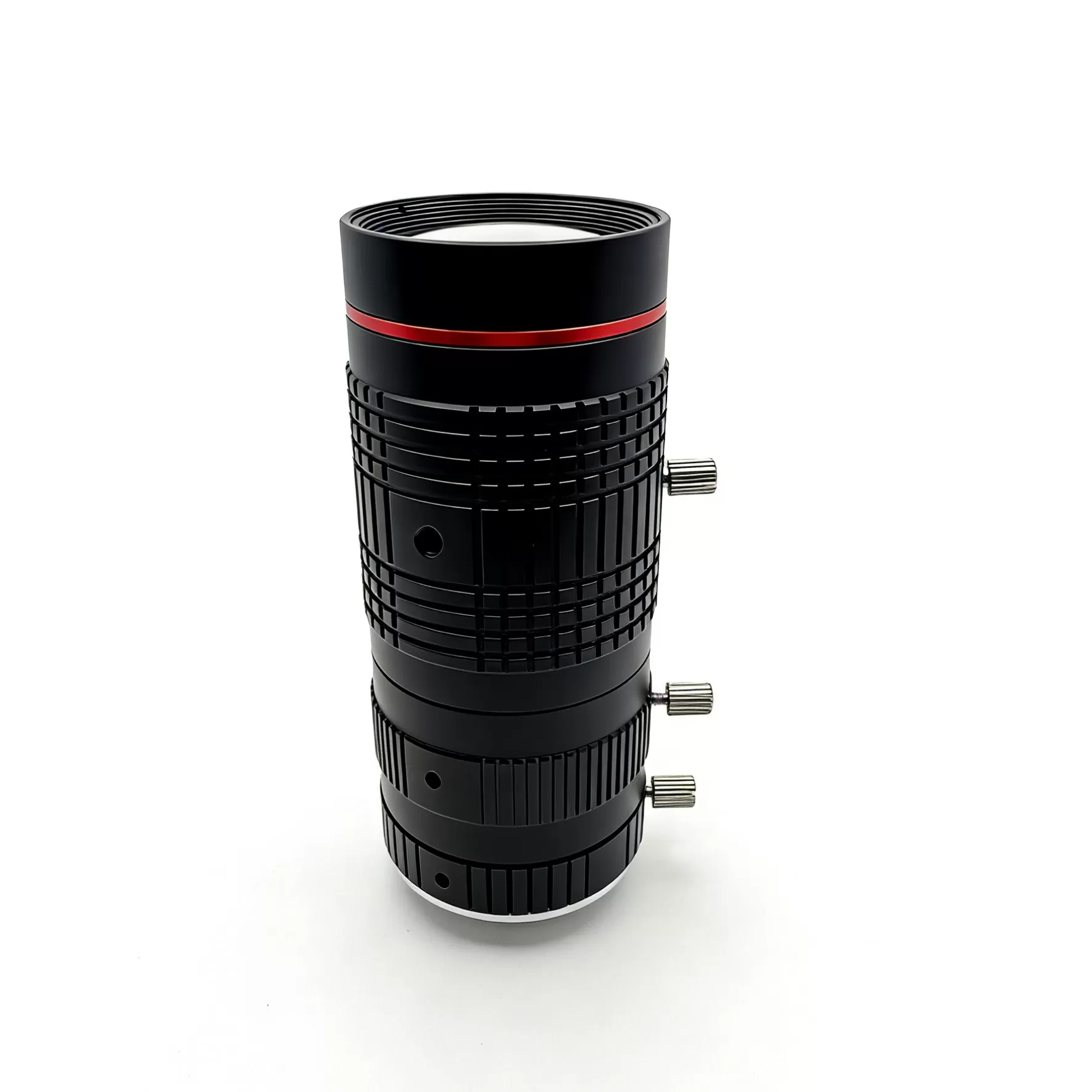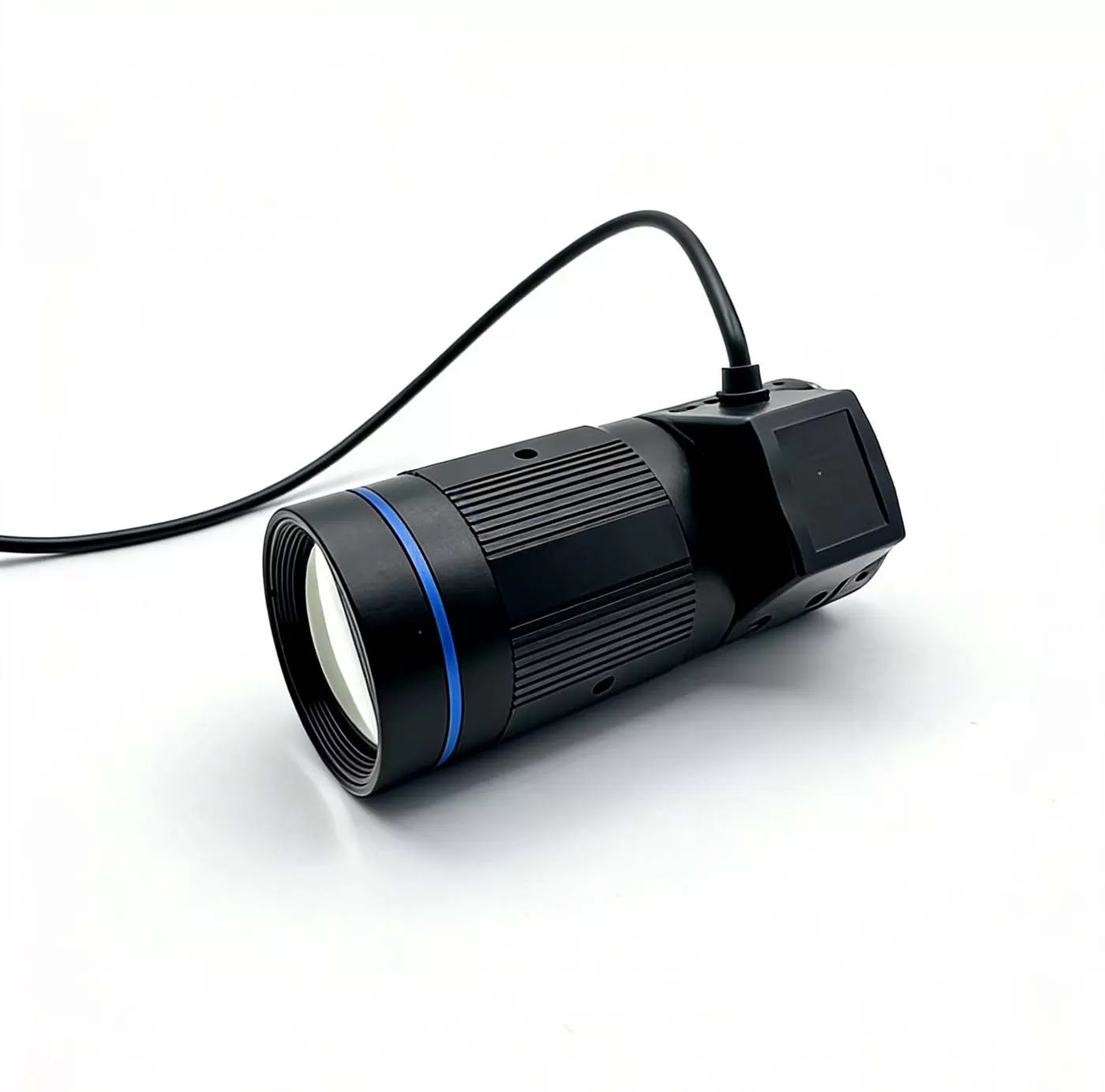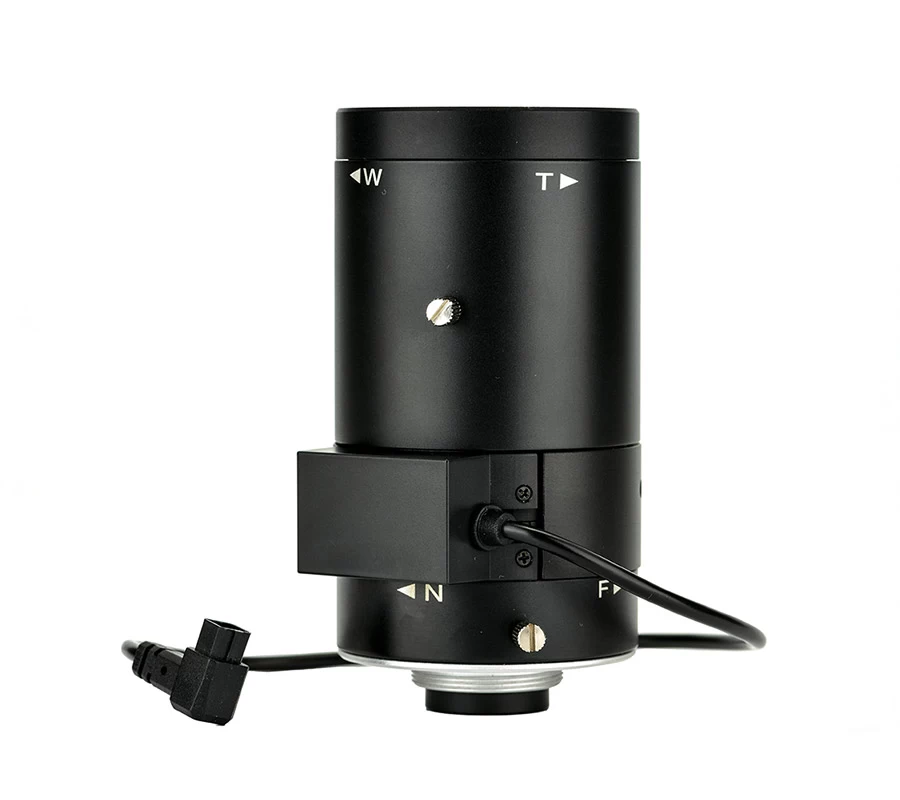
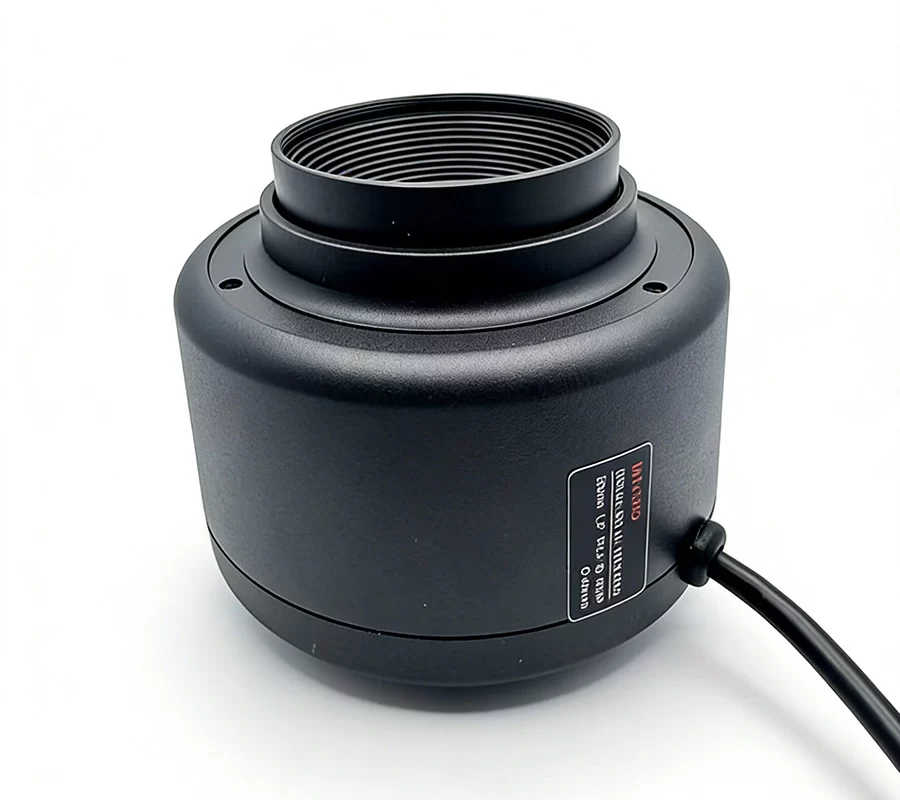
8MP 3X 3.6-10mm zoom security camera lens/ITS lens
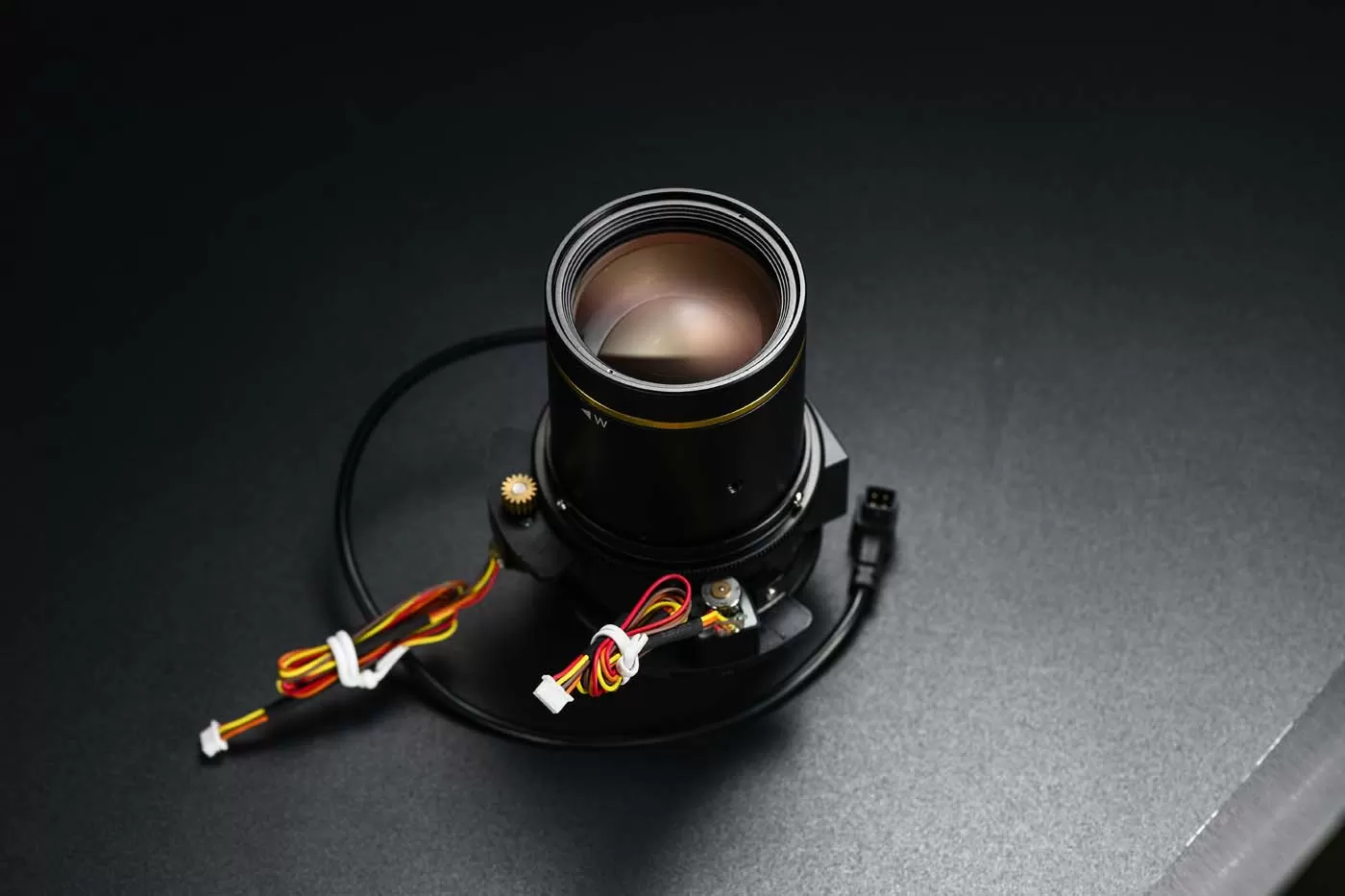
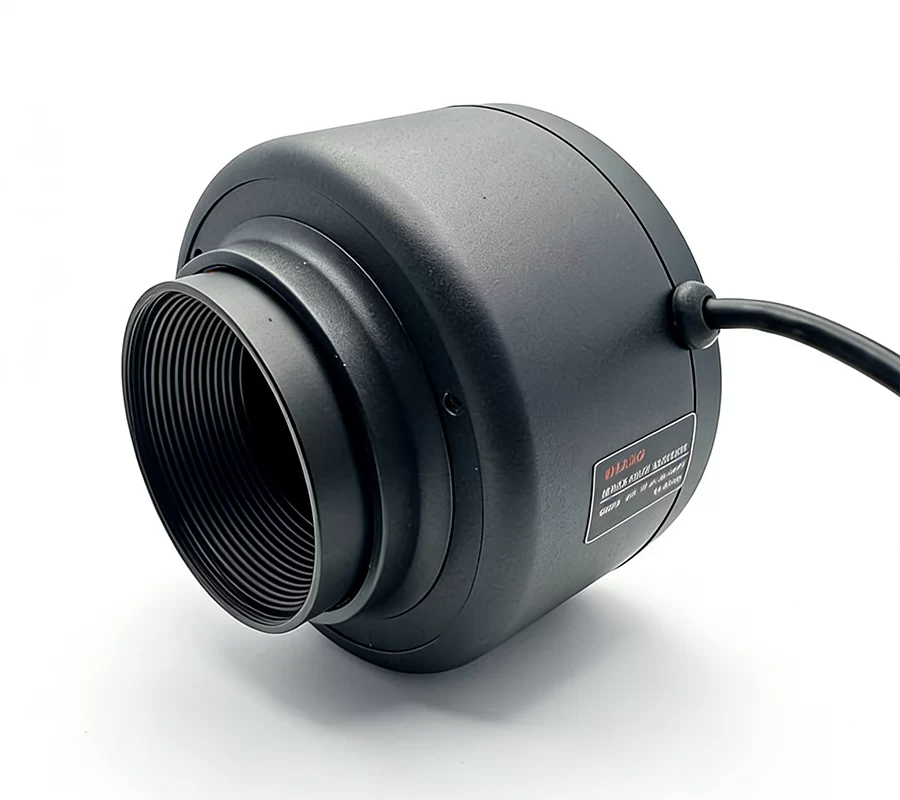
3.6-10mm Auto Iris CS mount IR correction varifocal CCTV lens
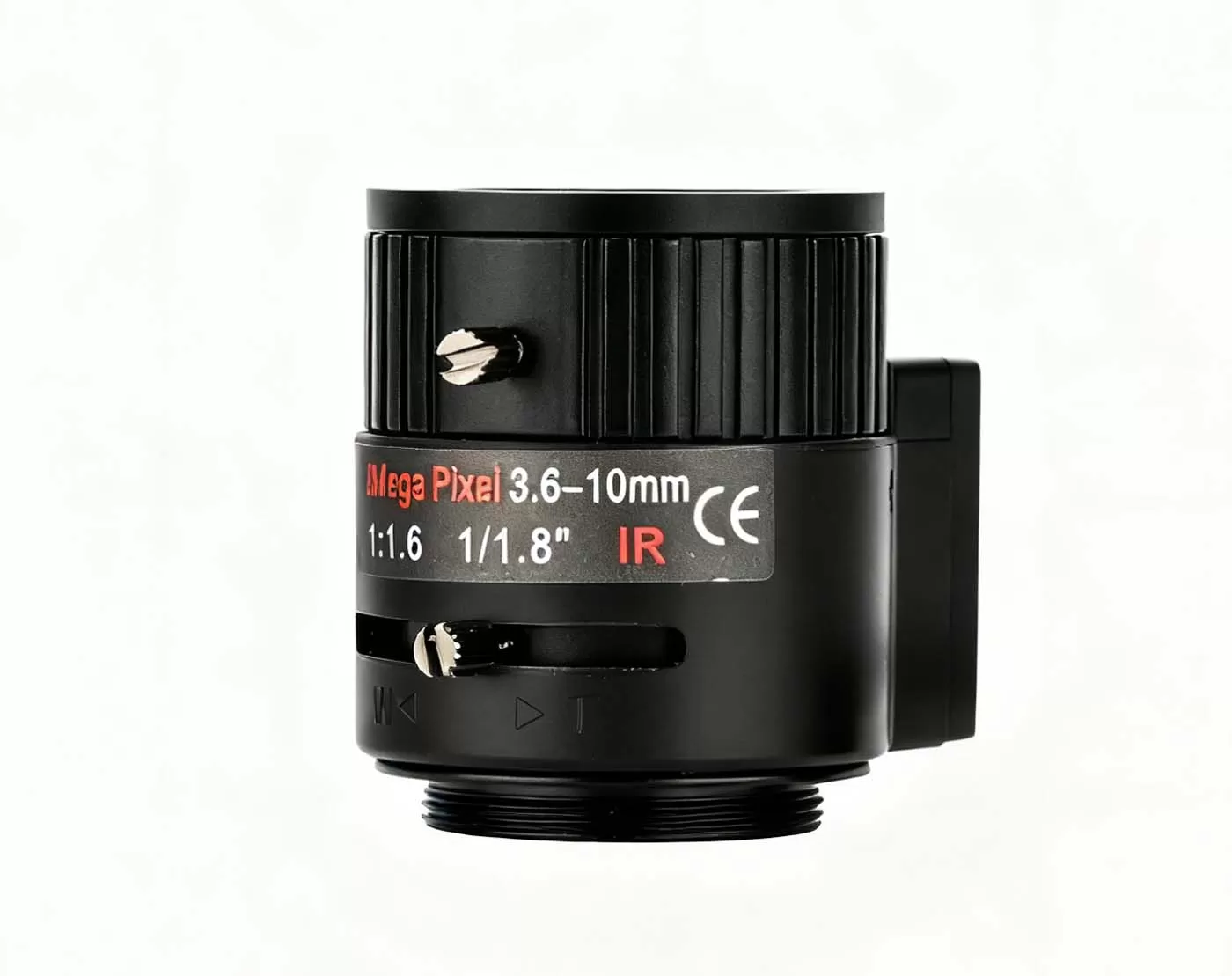
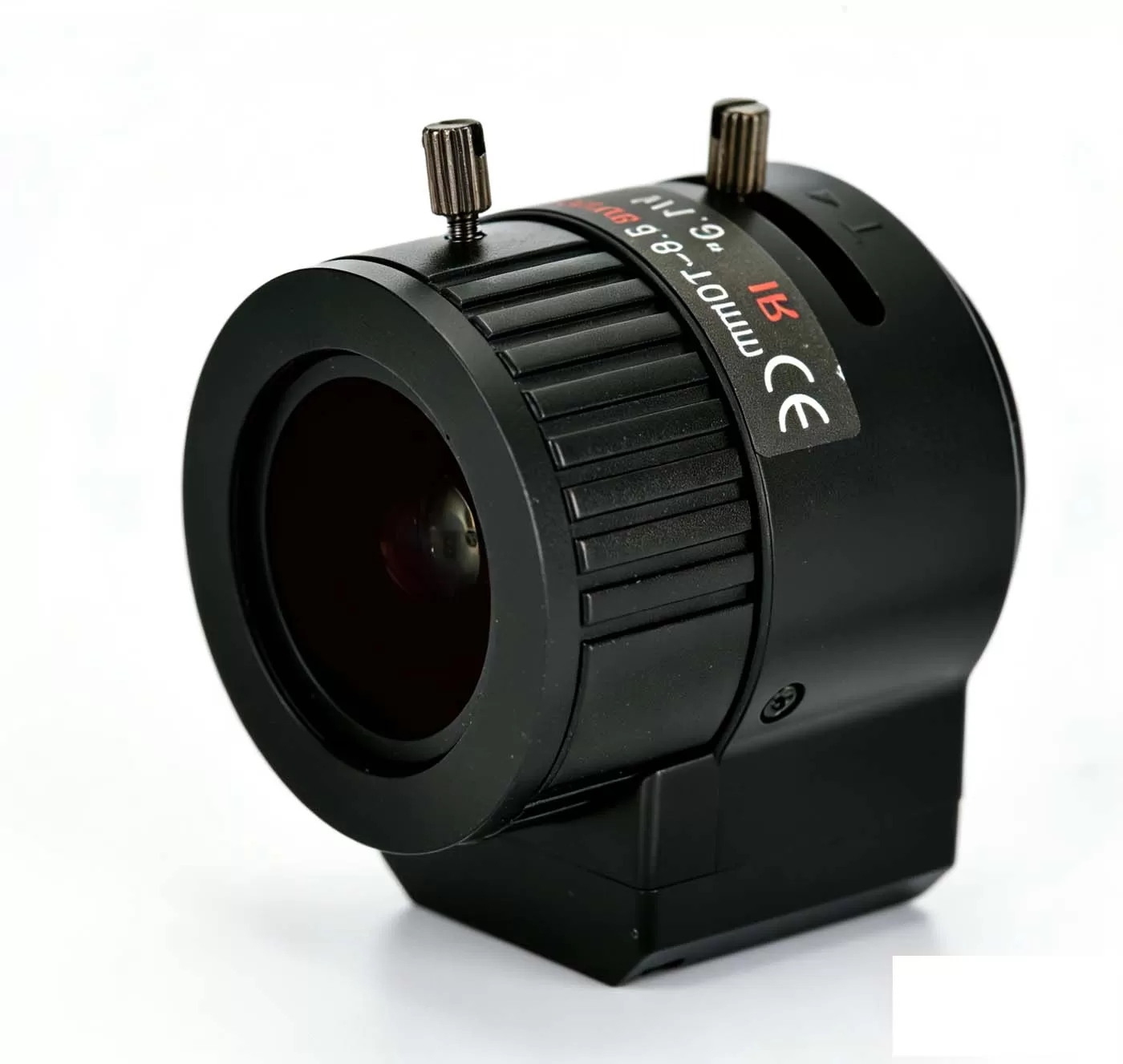
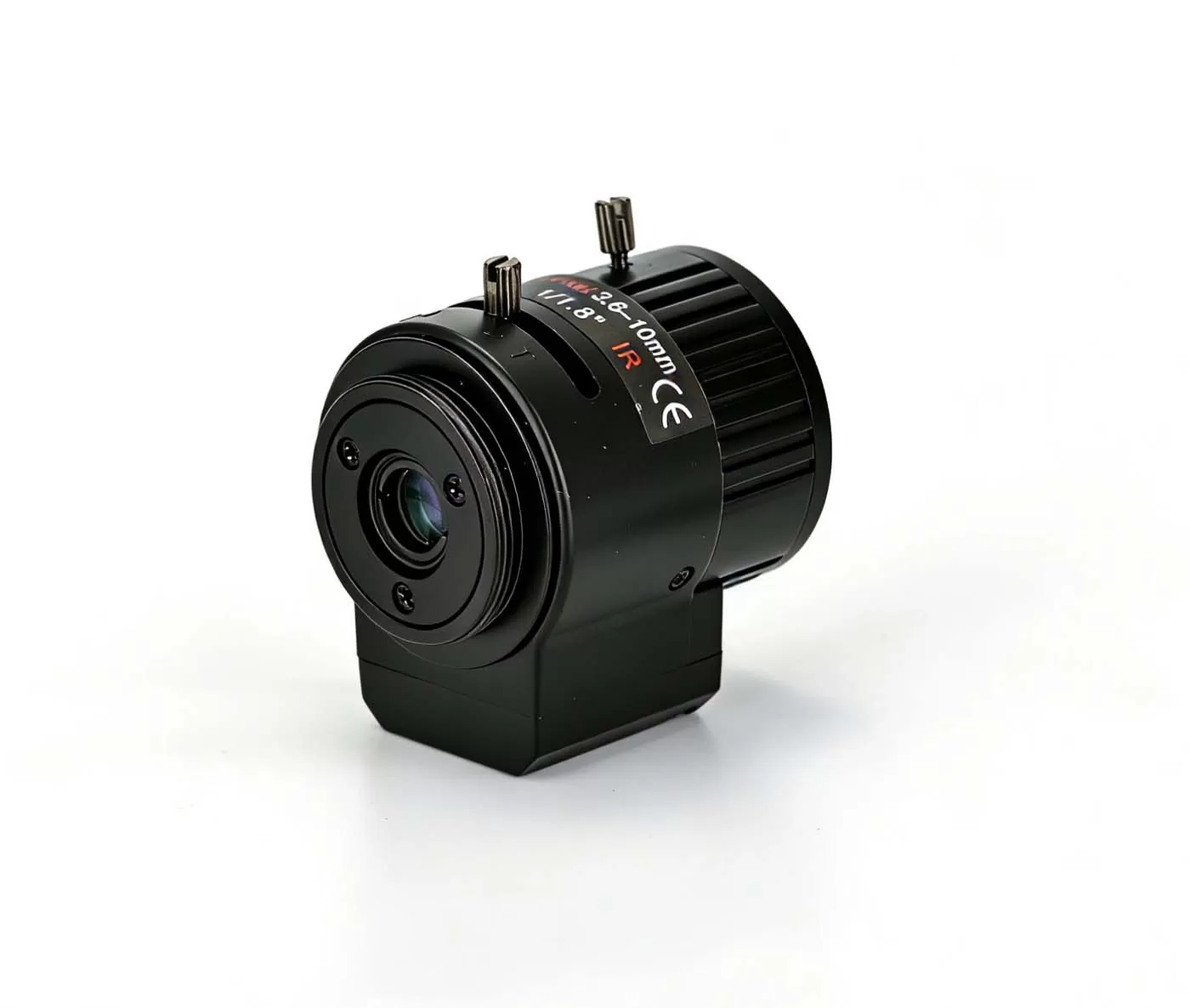
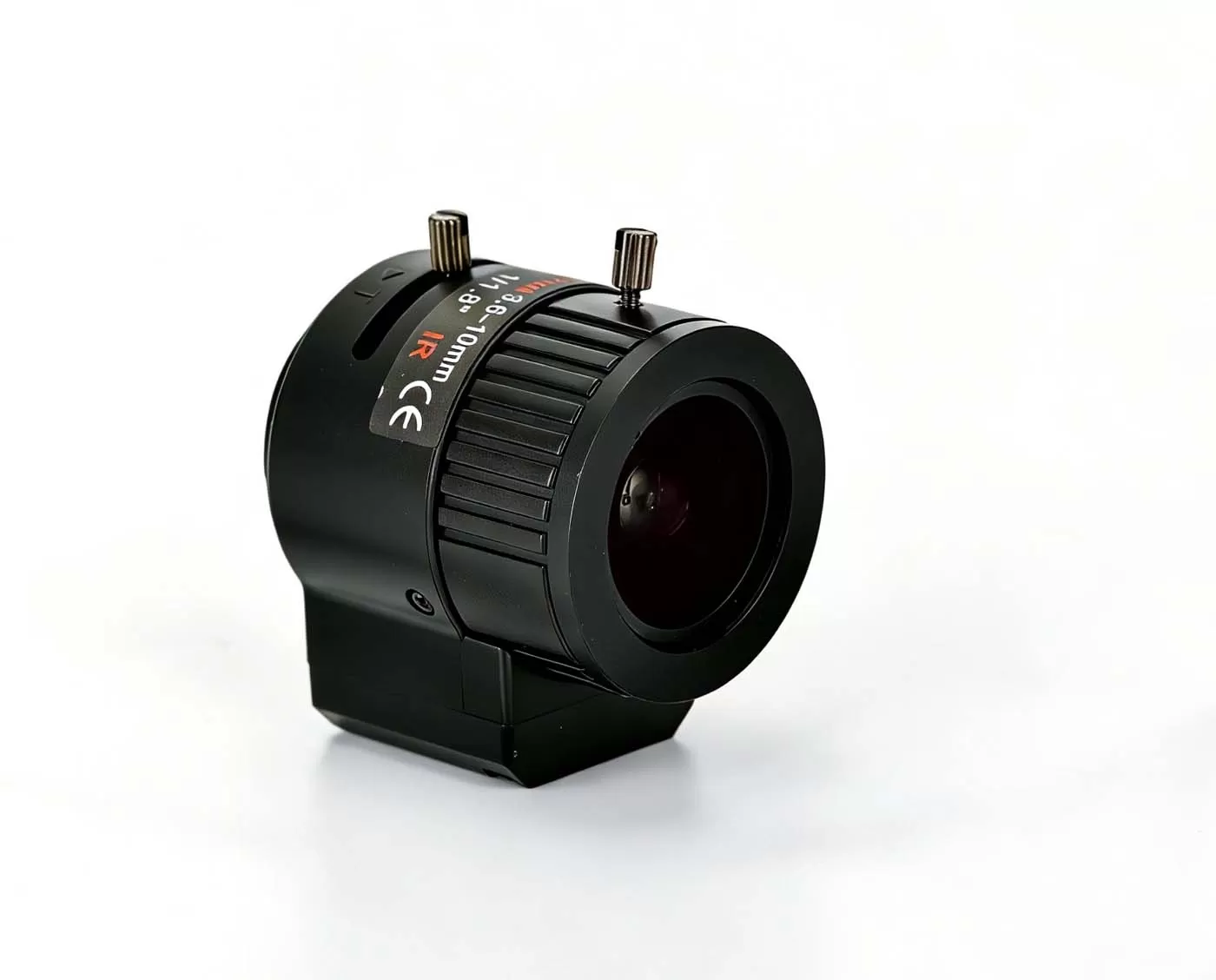
Specification of 8MP 3X 3.6-10mm zoom security camera lens/ITS lens
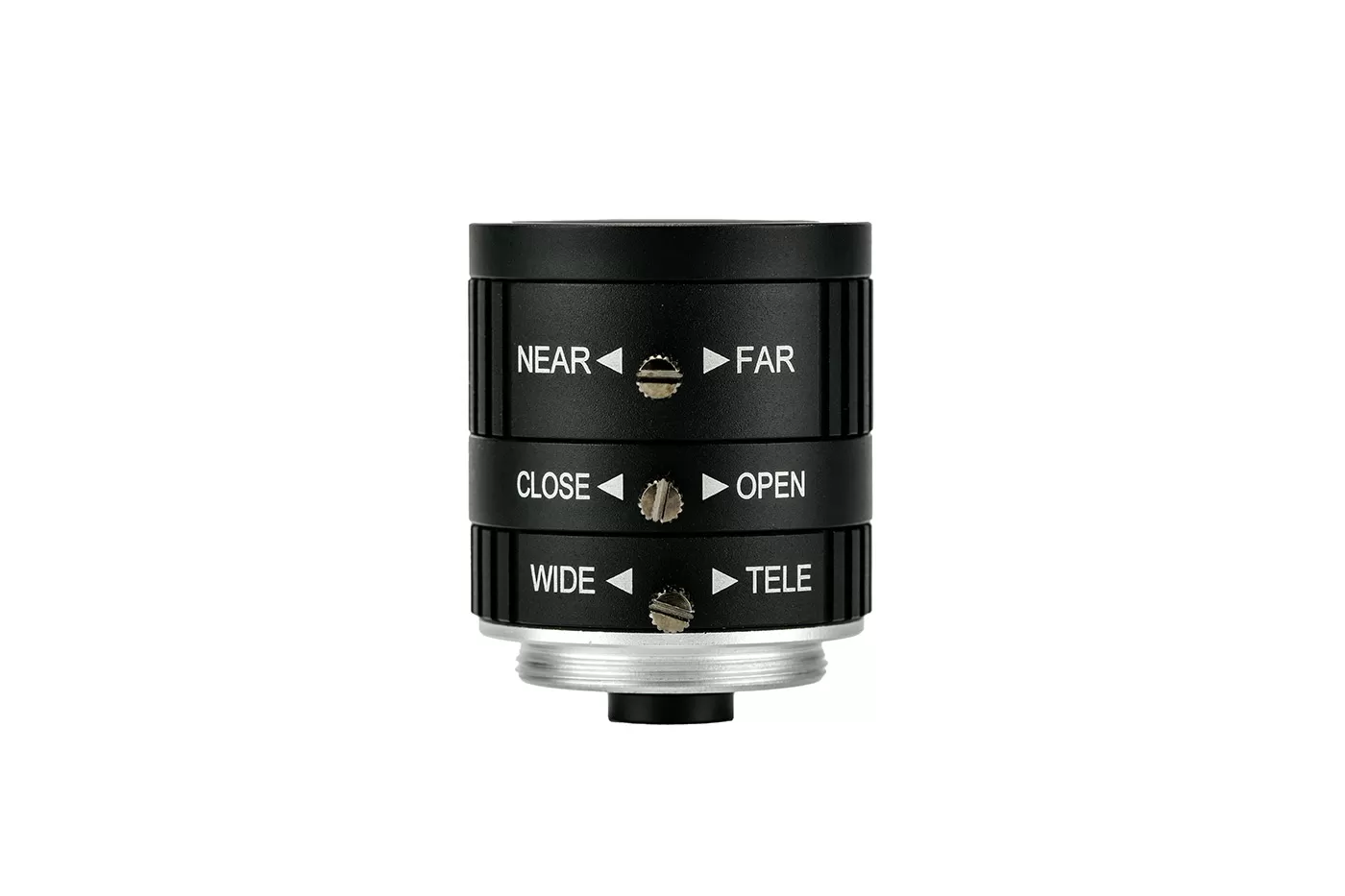
The 3.6–10 mm CS-mount DC auto-iris lens with manual zoom and manual focus capabilities. This lens employs DC-driven auto-iris technology and features a standardized CS-type mechanical interface (flange distance: 17.526 mm). Its focal length is continuously adjustable across the full 3.6–10 mm range without step discontinuities. Integrated IR-corrected dual-band optical design ensures chromatic and axial focus consistency between visible light (400–700 nm) and near-infrared (NIR, 700–1000 nm) spectra—enabling seamless day/night imaging with no focus shift upon IR illumination activation. The lens supports real-time aperture control via standard DC-Iris voltage signals (typically 2–8 V) from compatible cameras, dynamically optimizing exposure under rapidly varying lighting conditions—including direct sunlight, twilight transitions, low-light nighttime scenes, and high-contrast backlight environments. It is widely deployed with mainstream surveillance imaging platforms, including bullet-style security cameras, network IP cameras (IPCs), AI-enabled analytics cameras, and vehicle/license plate capture systems.
Core Technical Advantages:
1. DC Auto-Iris Functionality — Adaptive Illumination Compensation
The lens responds to camera-generated DC-Iris control signals to modulate iris aperture in real time: narrowing the aperture under high-illumination conditions to prevent overexposure, and widening it under low-light conditions to maximize photon collection. This closed-loop exposure regulation significantly enhances image brightness stability across challenging illumination regimes—including diurnal transitions, backlight scenarios, and abrupt ambient light changes—thereby eliminating the exposure inconsistency inherent to fixed-aperture or manually adjusted lenses.
2. Continuous 3.6–10 mm Zoom Range — Optimized Trade-off Between Field of View and Target Resolution
At the 3.6 mm wide-angle end, the lens delivers an expansive field of view suitable for broad-area situational awareness; at the 10 mm telephoto end, it provides enhanced spatial resolution for detailed identification tasks (e.g., facial features or license plate characters). Manual zoom and focus adjustment allow users to fine-tune framing and sharpness without lens replacement—supporting both panoramic monitoring and targeted close-up observation within a single optical solution, thereby improving system deployment agility and operational efficiency.
3. IR-Corrected Common-Focus Optical Design — Consistent Focus Across Day/Night Spectral Bands
The lens incorporates a thermally stable, multi-coated optical architecture optimized for minimal axial focus shift (< ±0.02 mm) between visible and NIR wavelengths. As a result, focus position remains invariant when switching between daylight color imaging and nighttime monochrome IR imaging—ensuring uninterrupted, high-definition video output across 24-hour operation without refocusing or image degradation.
4. Locking Mechanical Adjustment Mechanism — Robust Parameter Retention Under Environmental Stress
Both zoom and focus rings feature precision-machined locking screws that secure optical alignment against mechanical vibration, thermal expansion/contraction cycles, and long-term mechanical load. This design maintains consistent focal length, focus position, and field-of-view integrity over extended service life—meeting industrial-grade reliability requirements for outdoor and mission-critical deployments.
5. Standardized CS-Mount Interface — Broad Interoperability with Imaging Platforms
Fully compliant with the industry-standard CS-mount specification (ISO 10110-9 / JIS B 7110), the lens ensures plug-and-play compatibility with most CS-mount network cameras. When interfacing with C-mount cameras, a 5 mm C-to-CS adapter ring must be installed to achieve correct back focal distance; omission of this adapter will result in defocused imagery and compromised resolution.
Application scenario:
• Outdoor security monitoring: Designed for perimeter surveillance applications—including park perimeters, building boundary fences, open-air parking lots, corridor access points, and street-facing retail storefronts—where significant diurnal variation in ambient illumination necessitates robust high-dynamic-range (HDR) imaging performance.
• Intelligent entry/exit capture: Optimized for structured data acquisition at high-traffic access control points—such as enterprise and residential community gateways, highway toll plazas, and underground garage entrances—supporting high-accuracy facial and license plate recognition under diverse lighting and motion conditions.
• AI-powered edge analytics terminal: Integrates seamlessly with high-performance IP cameras (IPCs) embedded with advanced computer vision algorithms—including human silhouette detection, behavioral anomaly recognition, and virtual perimeter intrusion analysis—while maintaining stringent requirements for optical stability, spatial resolution, and real-time inference latency.
• Semi-outdoor transitional zones: Suitable for hybrid-illumination environments—including indoor corridor extensions, building canopy areas, and lobbies—characterized by strong daytime solar irradiance and nighttime reliance on artificial or infrared supplemental lighting, requiring adaptive exposure control and low-light image enhancement capabilities.