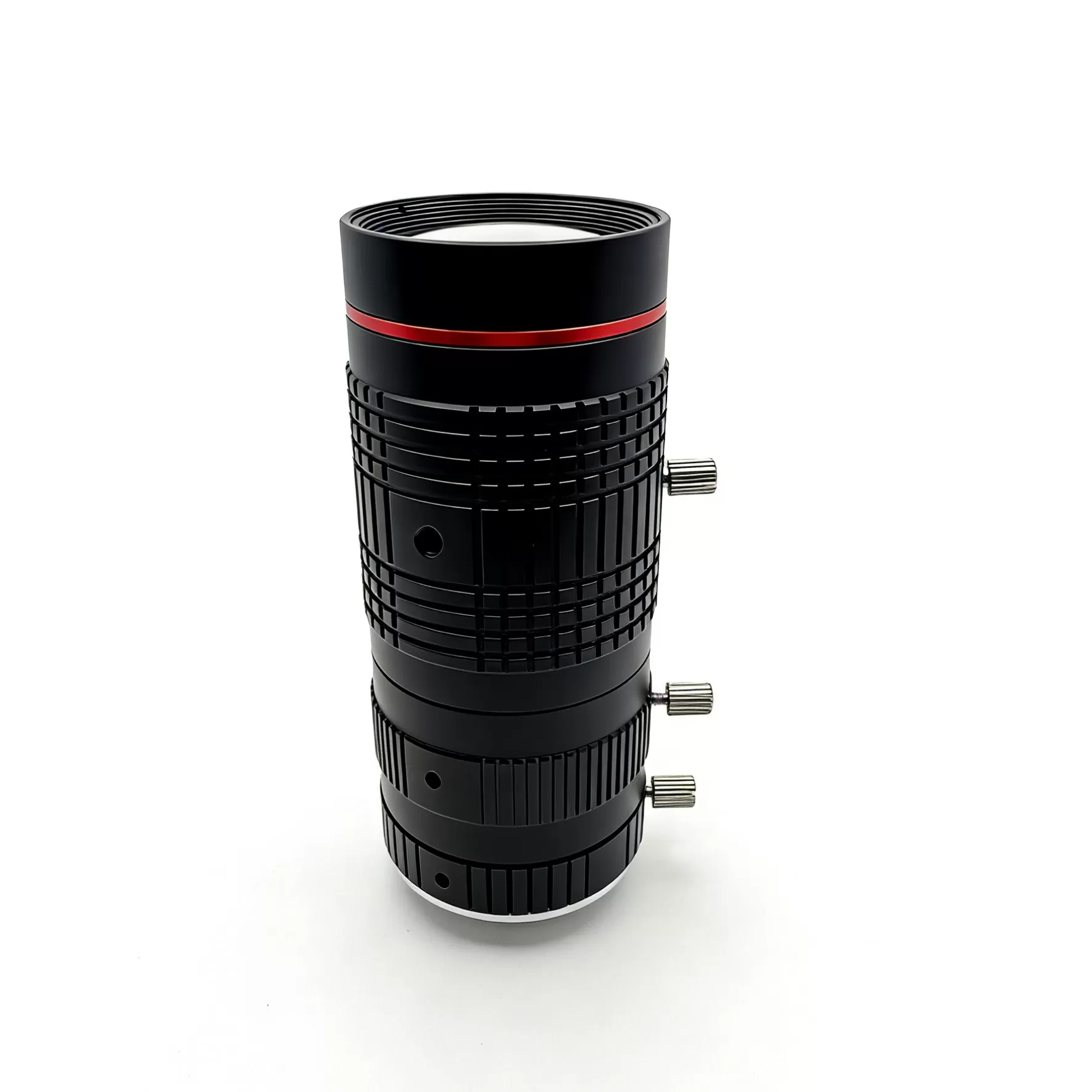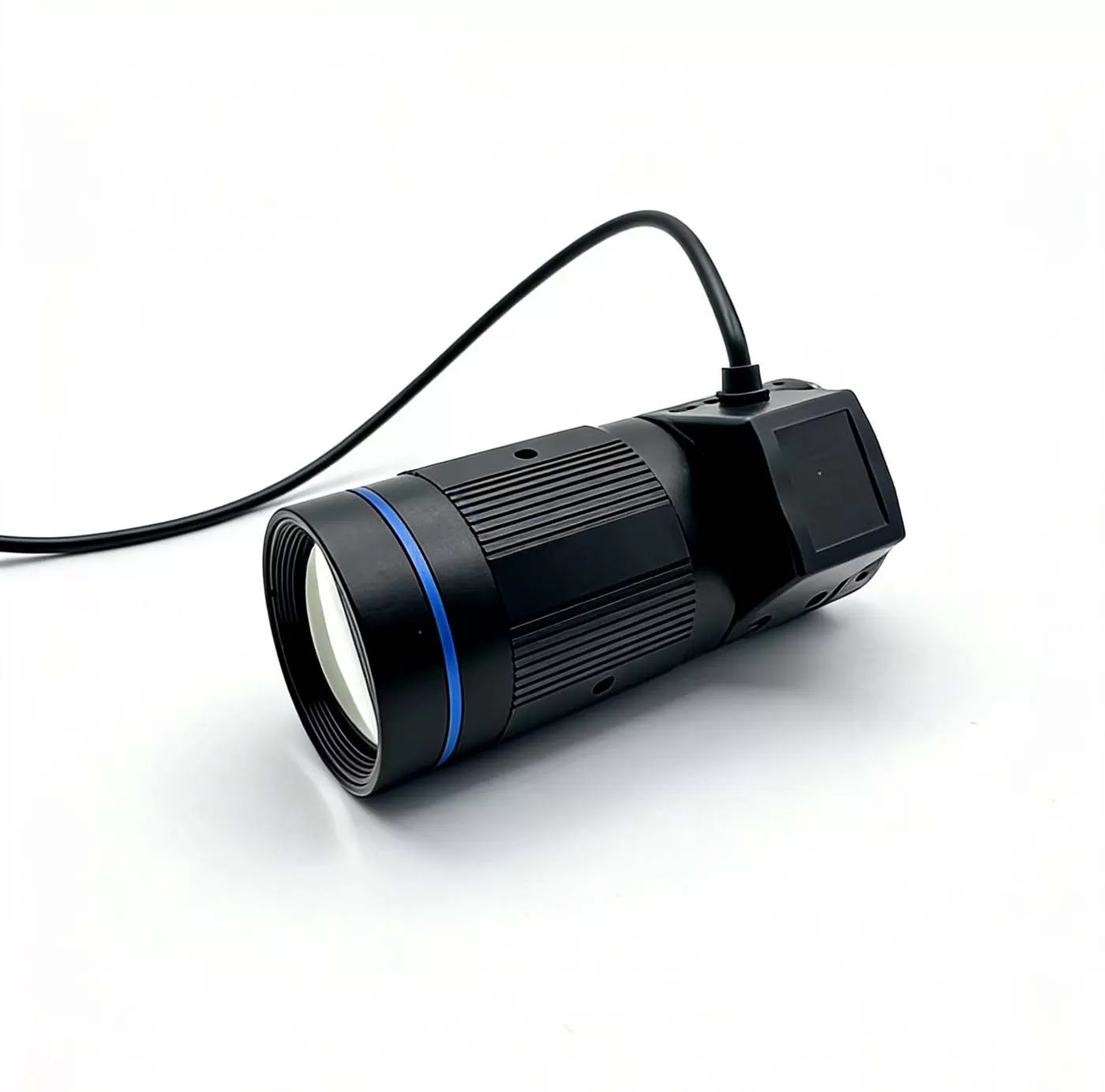
1/1.7" 12MP 10-50mm Manual Iris Varifocal Lens
5X Manual Iris C/CS mount IR correction varifocal ITS lens
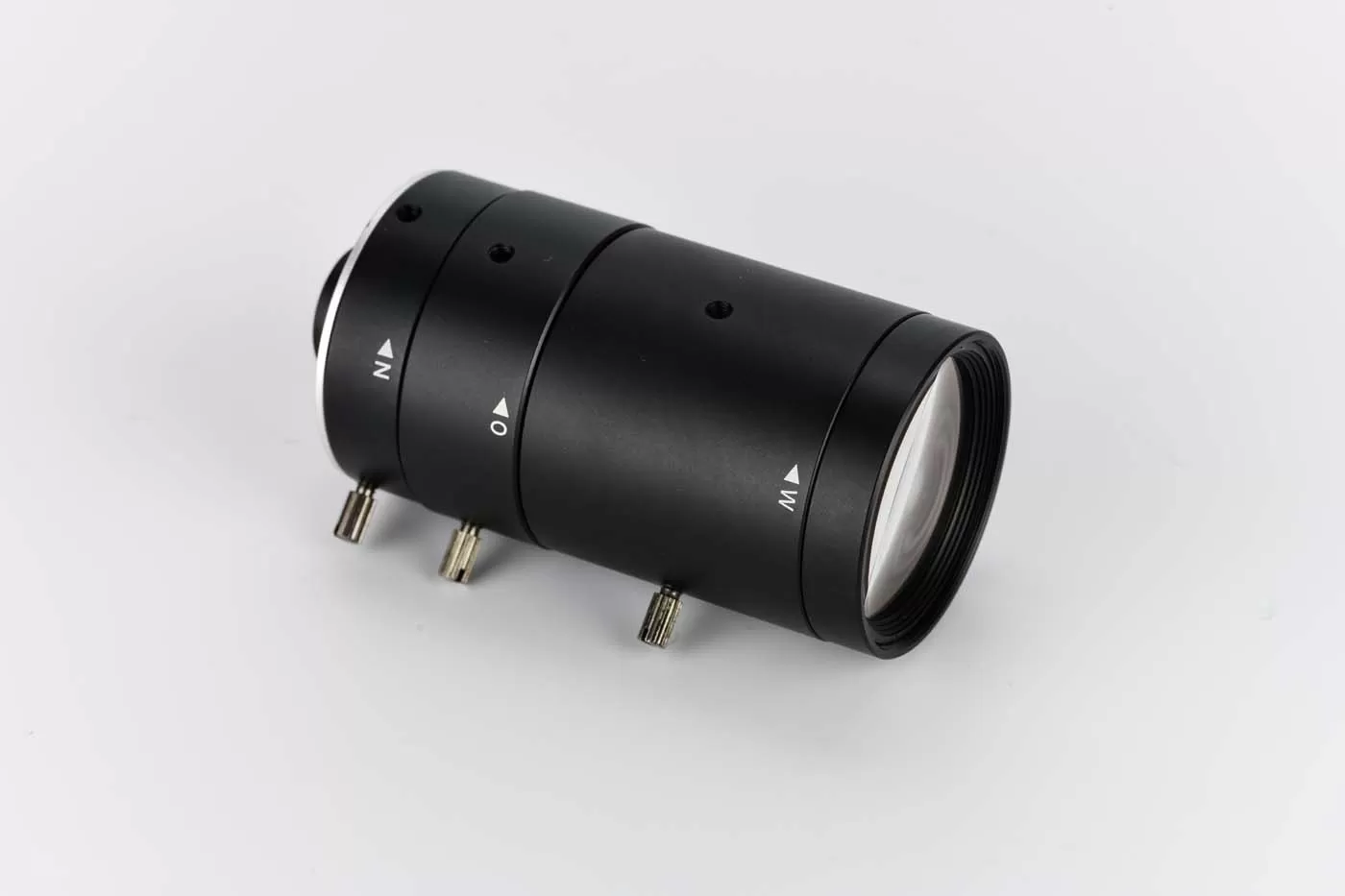
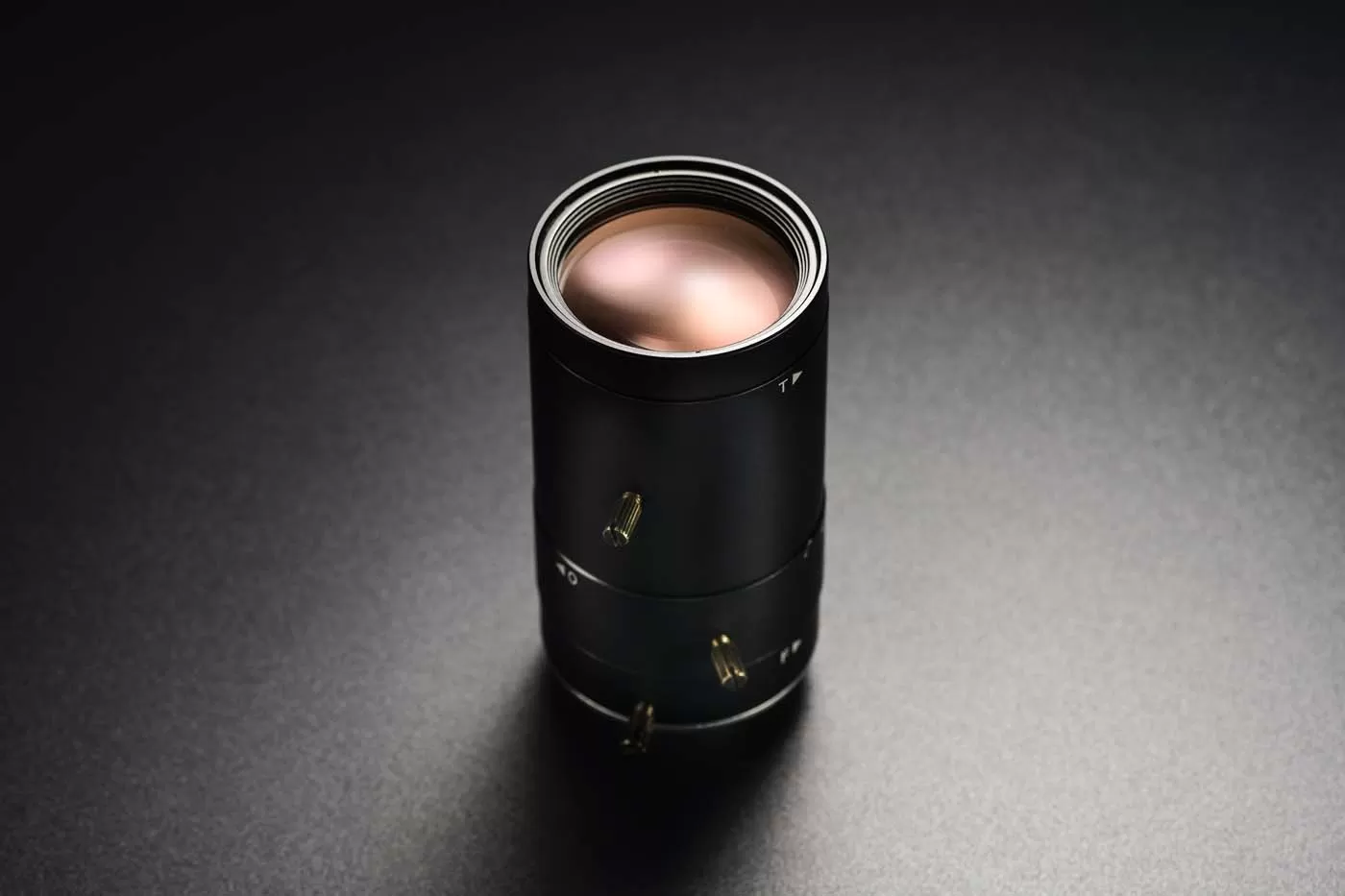
Specification of 1/1.7" 12MP 10-50mm Manual Iris Varifocal Lens
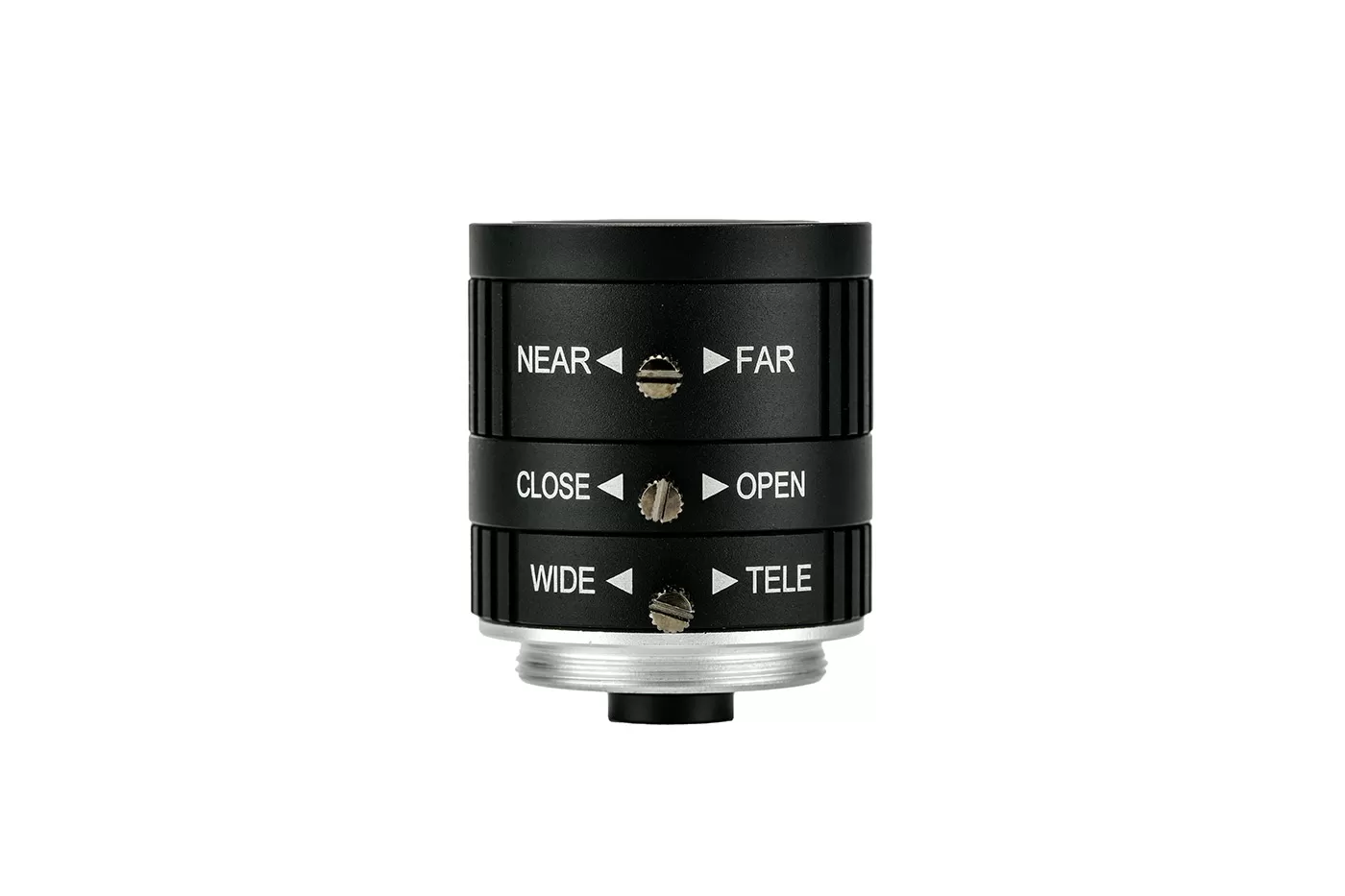
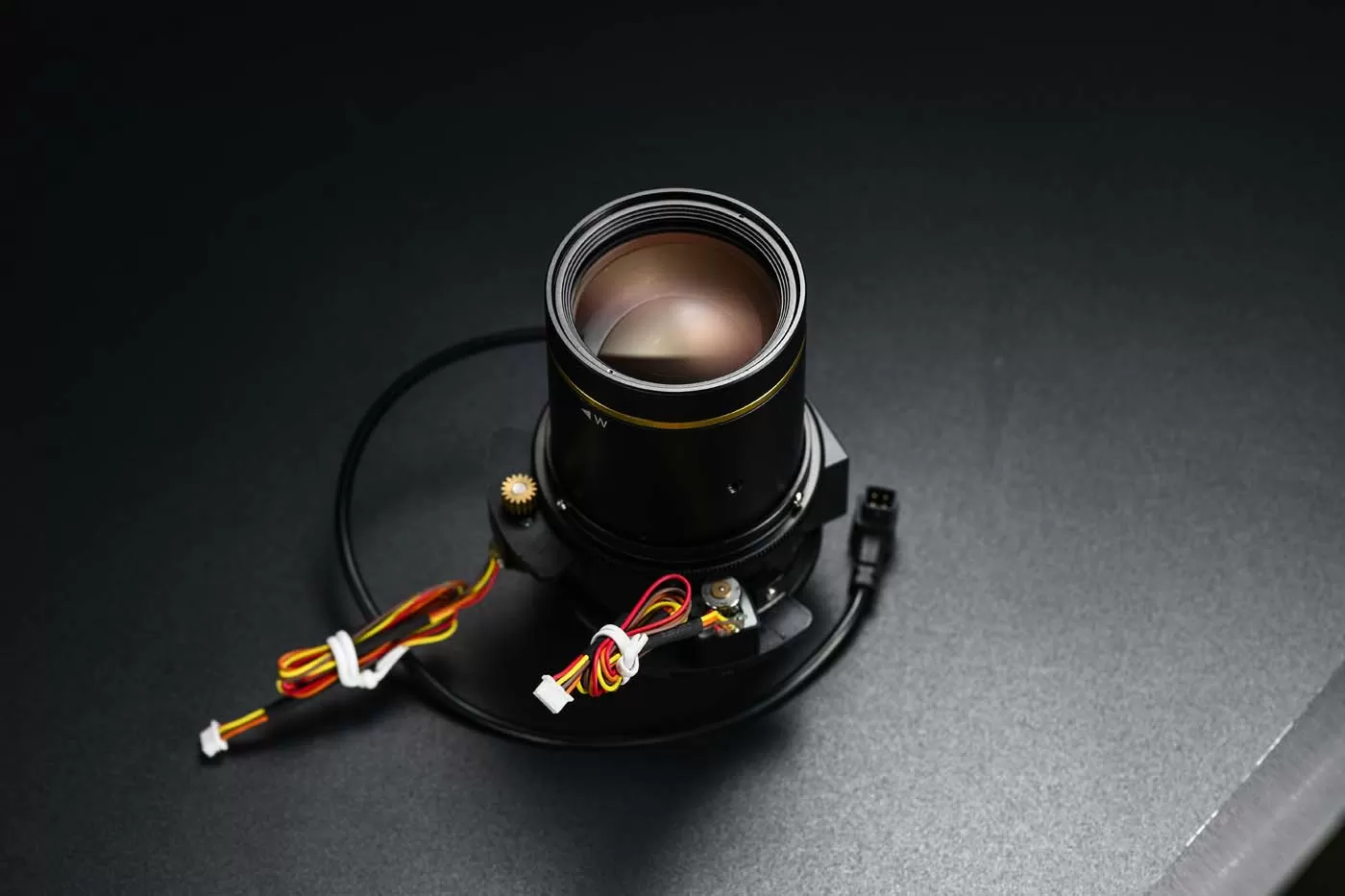
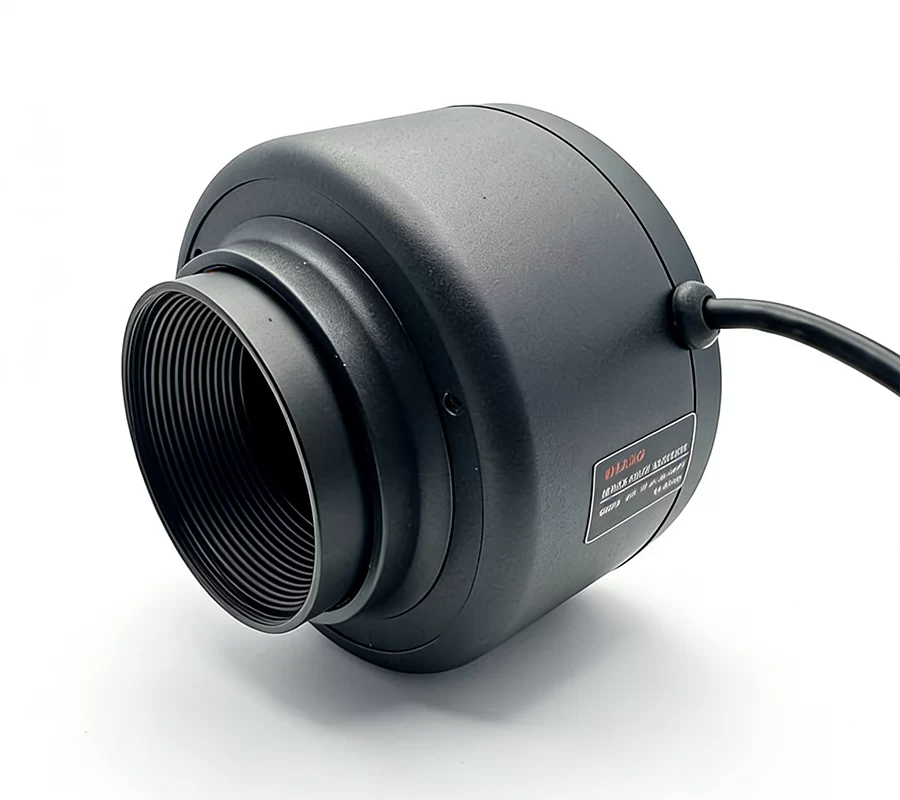
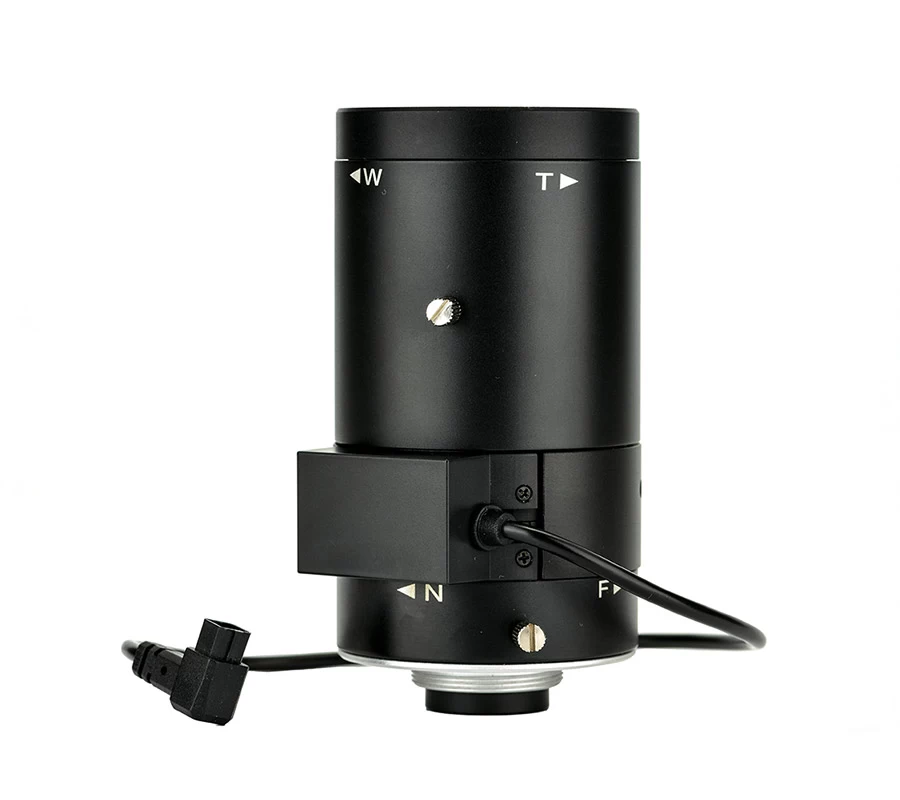
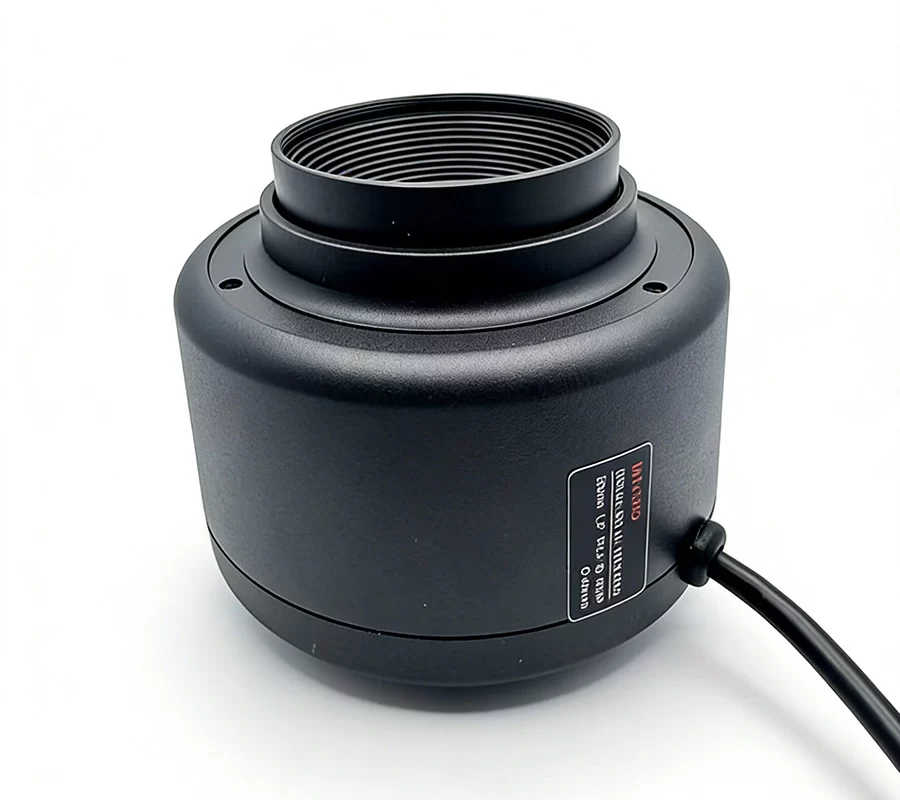
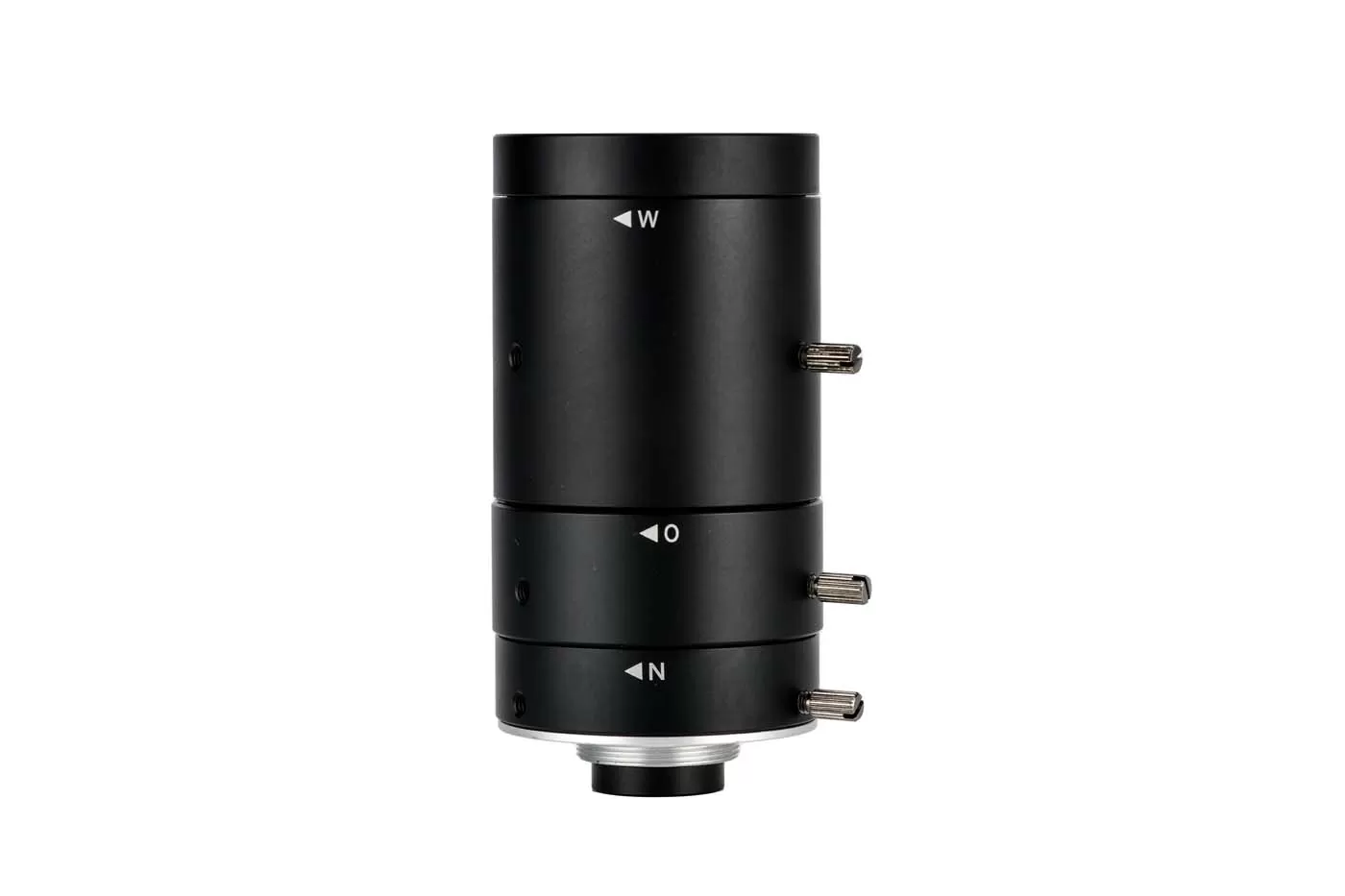
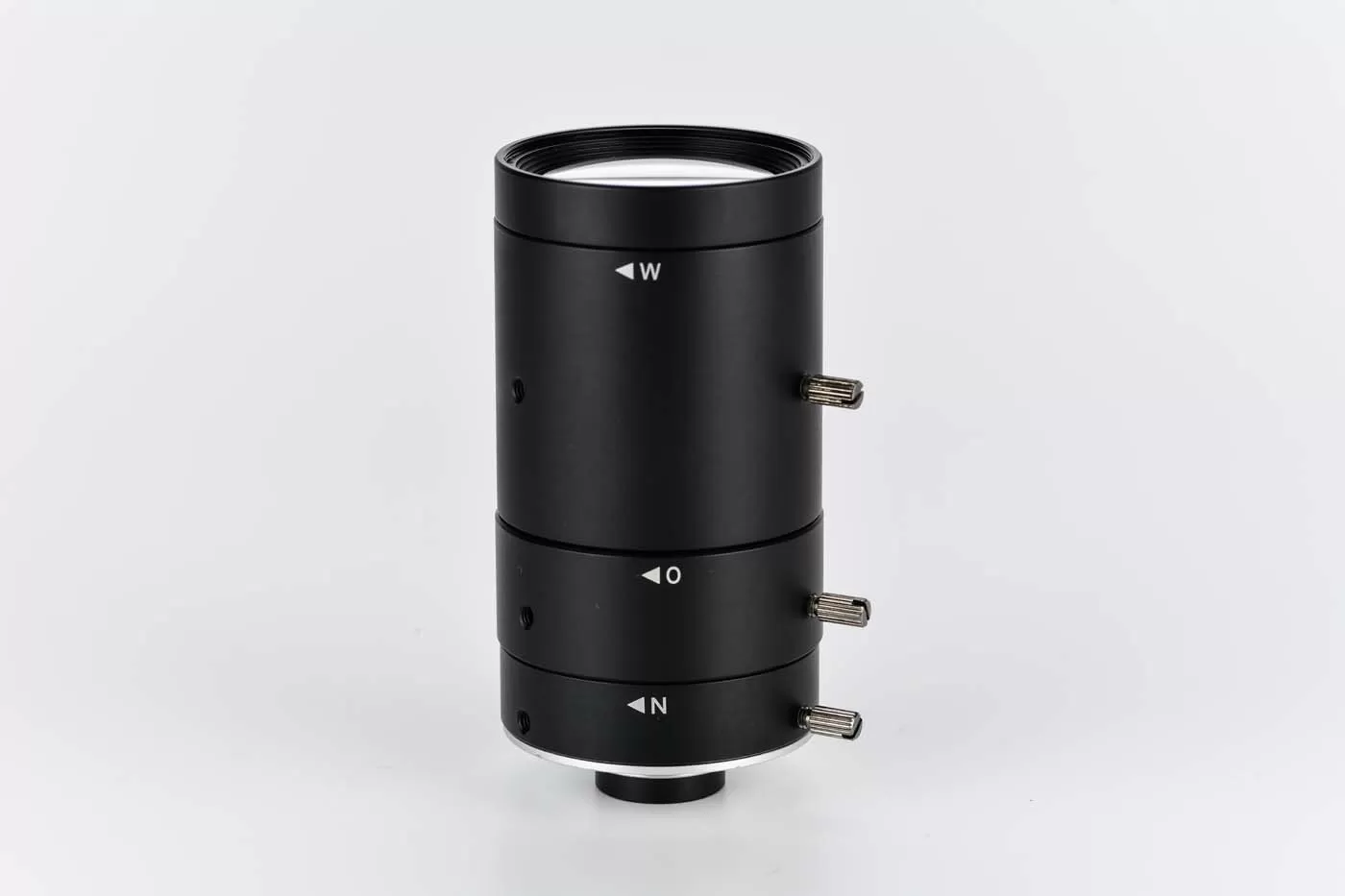
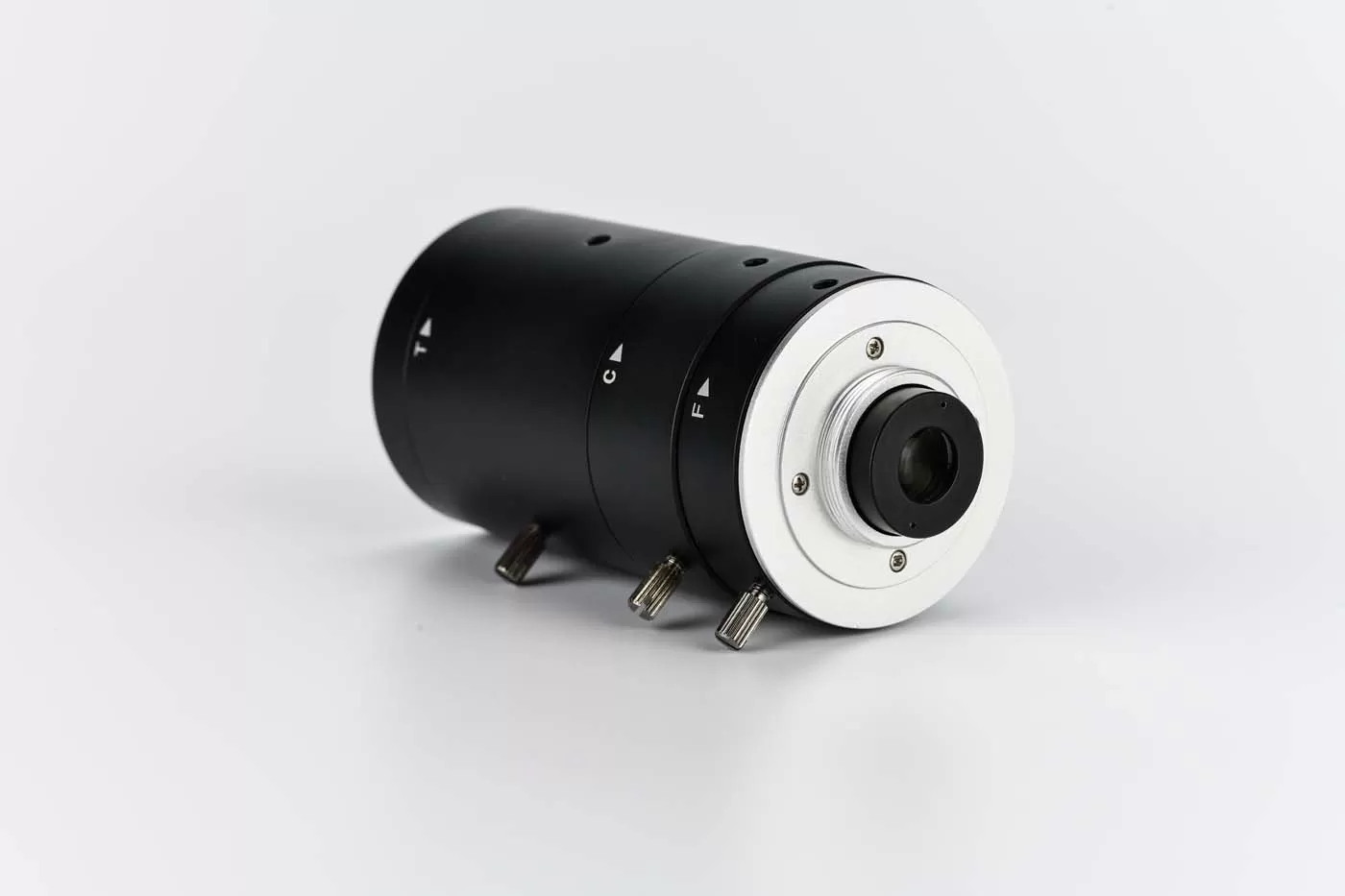
This industrial-grade, safety-critical five-times manual zoom lens is designed for compatibility with 1/1.7-inch format sensors and supports up to 12-megapixel resolution. It features a fully mechanical, all-manual operation architecture—enabling precise independent control of zoom, focus, and aperture—augmented by three dedicated locking screws for parameter stabilization. The lens incorporates an internally integrated IR-corrected optical design that achieves true day–night co-focusing: visible-light (400–700 nm) and 850 nm near-infrared imaging share an identical focal plane, eliminating the need for refocusing during illumination transitions. Devoid of motorized actuators or electronic aperture control interfaces, the lens adopts a minimalist, rigid mechanical construction—maximizing structural integrity, environmental resilience, and long-term operational reliability. It is ideally suited for permanently installed applications in controlled lighting environments where initial setup is performed once and maintained without adjustment over extended periods. Primary deployment domains include machine vision inspection, fixed-position security surveillance, static snapshot acquisition in intelligent transportation systems (ITS), as well as high-precision imaging tasks such as optical character recognition (OCR), micro-feature inspection, and fine-detail component analysis.
Core Product Features:
1. Fully Manual Triple-Ring Locking Architecture
Zoom, focus, and aperture rings each integrate discrete mechanical locking mechanisms. Once configured, parameters are physically secured via precision locking screws—effectively mitigating optical drift induced by mechanical vibration or thermal expansion. The absence of motors, cables, or electronic controls significantly reduces failure points, enhancing robustness under continuous vibration and harsh outdoor conditions. Exposure management is delegated to the host camera’s shutter speed and gain settings, while aperture remains fixed at the user-defined value.
2. 12-Megapixel Full-Focal-Range Optical Design
Optimized specifically for 1/1.7-inch image sensors, the lens delivers consistent high-resolution performance across its entire 10–50 mm focal length range. Its modulation transfer function (MTF) exhibits uniform, edge-to-edge excellence—ensuring stable 4K-equivalent image fidelity. This capability meets stringent requirements for license plate recognition, small-character OCR, and micron-level component metrology.
3. IR-Corrected Day–Night Co-Focusing System
Through rigorously calibrated longitudinal chromatic aberration compensation, the optical path ensures parfocal alignment between visible and 850 nm near-infrared wavelengths. This enables seamless, zero-latency transition between daytime (visible-light) and nighttime (IR-illuminated) imaging—without focus recalibration—thereby guaranteeing uninterrupted, 24/7 high-definition imaging stability.
4. F1.4 Maximum Aperture with Continuous f/1.4–f/16 Adjustment
The large F1.4 aperture maximizes photon capture and signal-to-noise ratio in low-illumination scenarios. Simultaneously, the continuously adjustable aperture mechanism supports precise manual tuning from f/1.4 to f/16—allowing users to dynamically balance sensitivity, depth of field, and diffraction-limited resolution according to application-specific imaging objectives.
5. 10–50 mm Fivefold Zoom Ratio with Wide-to-Medium Telephoto Coverage
The focal range spans ultra-wide-angle (10 mm) to medium telephoto (50 mm), supporting both broad-area situational awareness and high-magnification target identification. A single lens replaces multiple fixed-focal-length alternatives—reducing system complexity, integration effort, and long-term maintenance overhead.
Typical Application Domains:
• Machine Vision: In-line inspection at fixed workstations; long-range dimensional measurement and defect detection; laboratory-grade high-precision imaging; automated industrial inspection systems operating under stable, controlled illumination.
• Security Surveillance: High-resolution, fixed-point video monitoring in industrial facilities, factory perimeters, and interior critical zones; forensic-grade still-image capture for access control and incident documentation.
• Intelligent Transportation Systems (ITS): Static vehicle imaging for license plate recognition (LPR); traffic violation evidence collection; intersection monitoring—all within illumination-regulated environments.
• Academic & Research Imaging: Optical subsystems for university and institutional imaging platforms; high-fidelity image acquisition terminals used in optical engineering, materials science, and biomedical imaging laboratories.