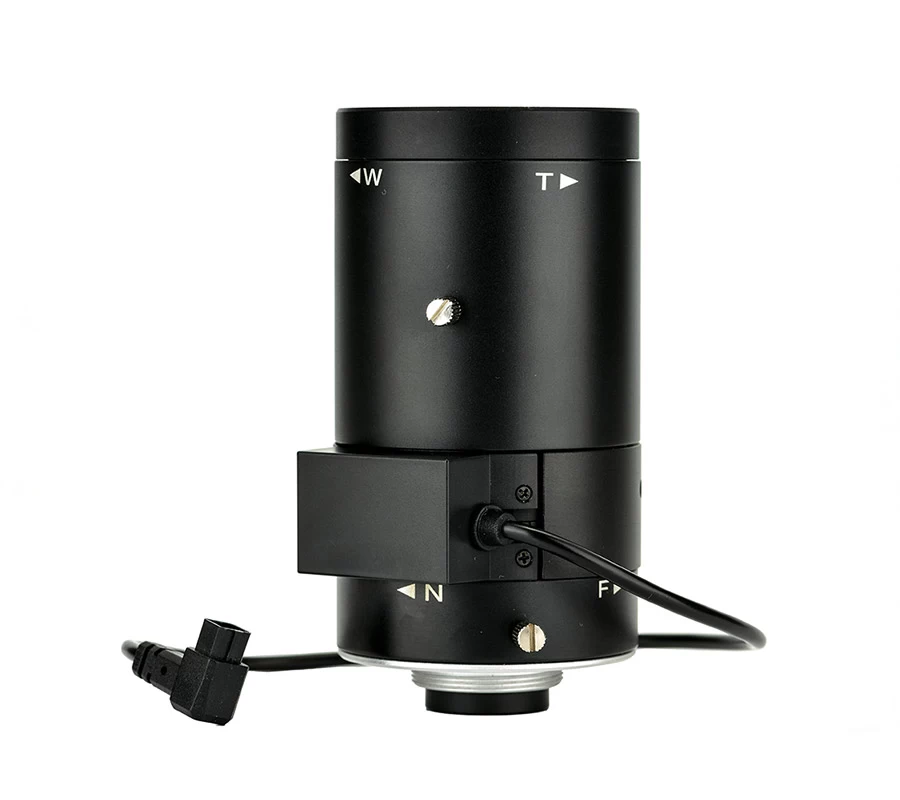
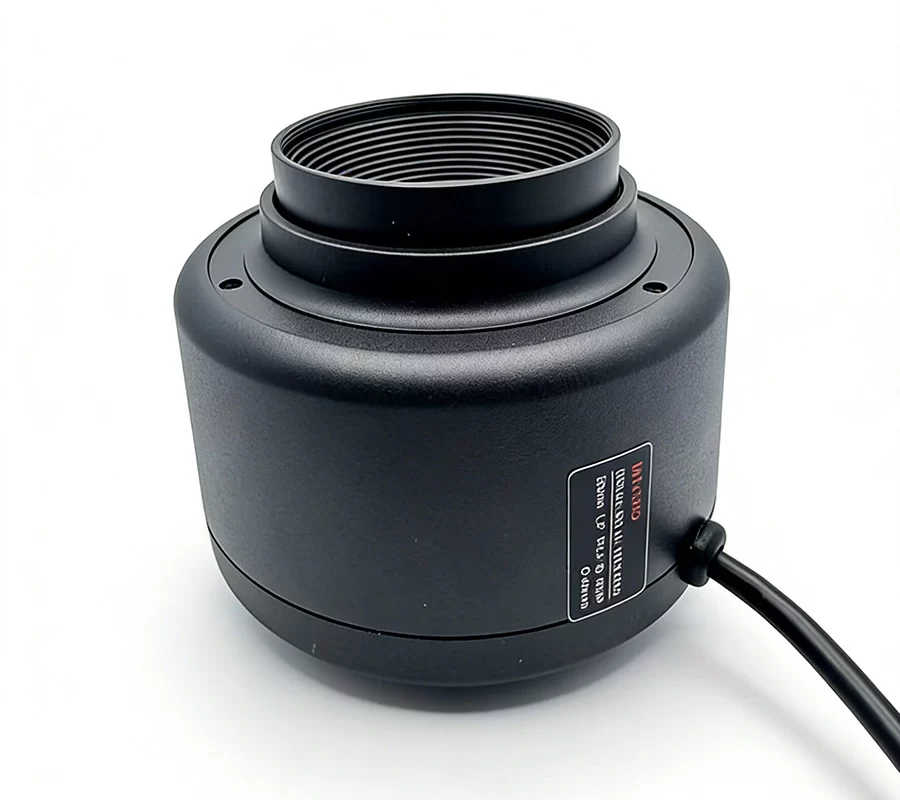
1/1.7" 12MP 10-50mm Auto Iris Varifocal Lens
5X Manual Iris C/CS mount IR correction varifocal ITS lens
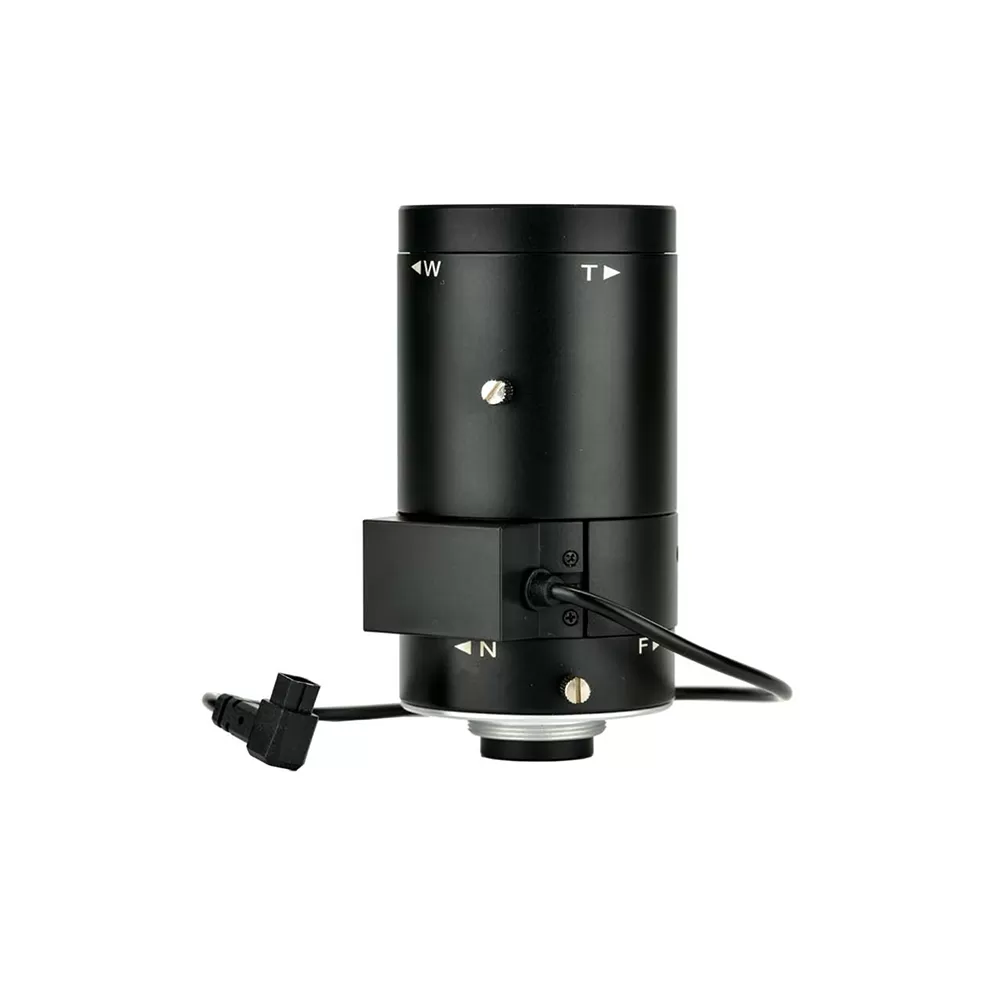
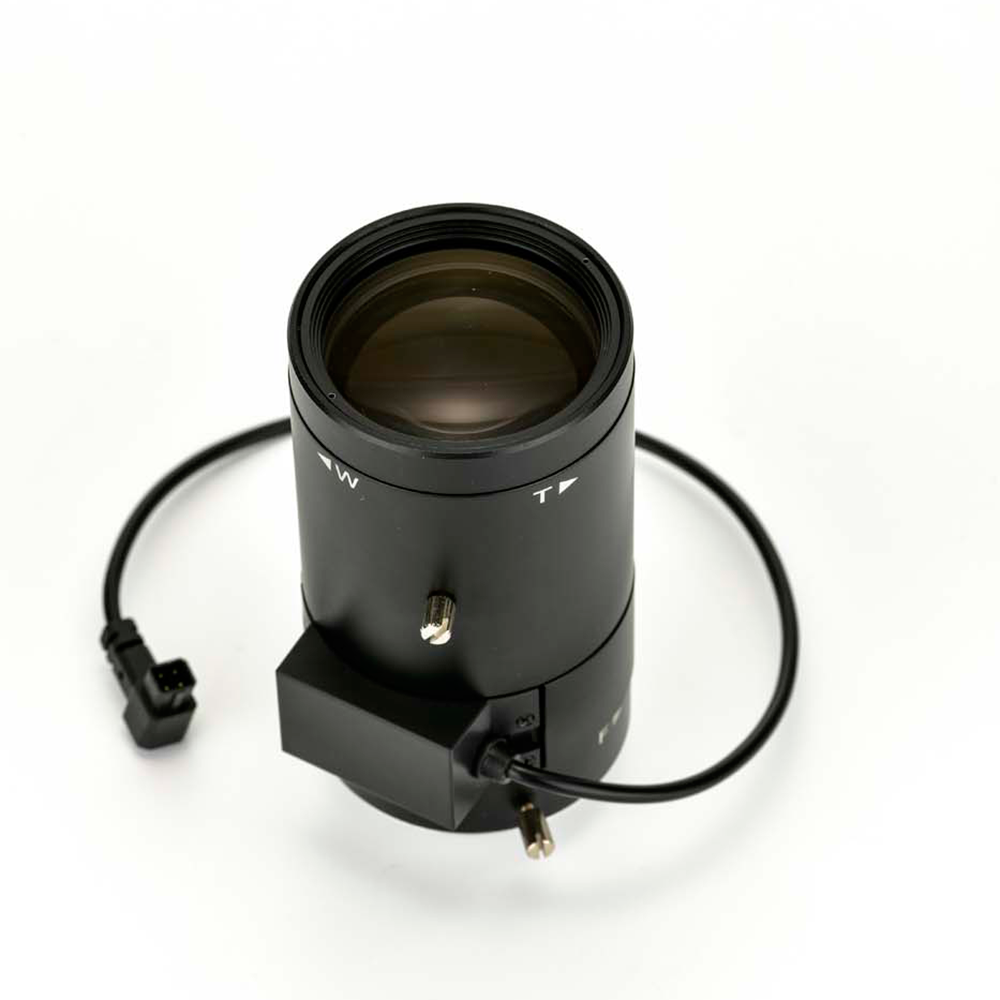
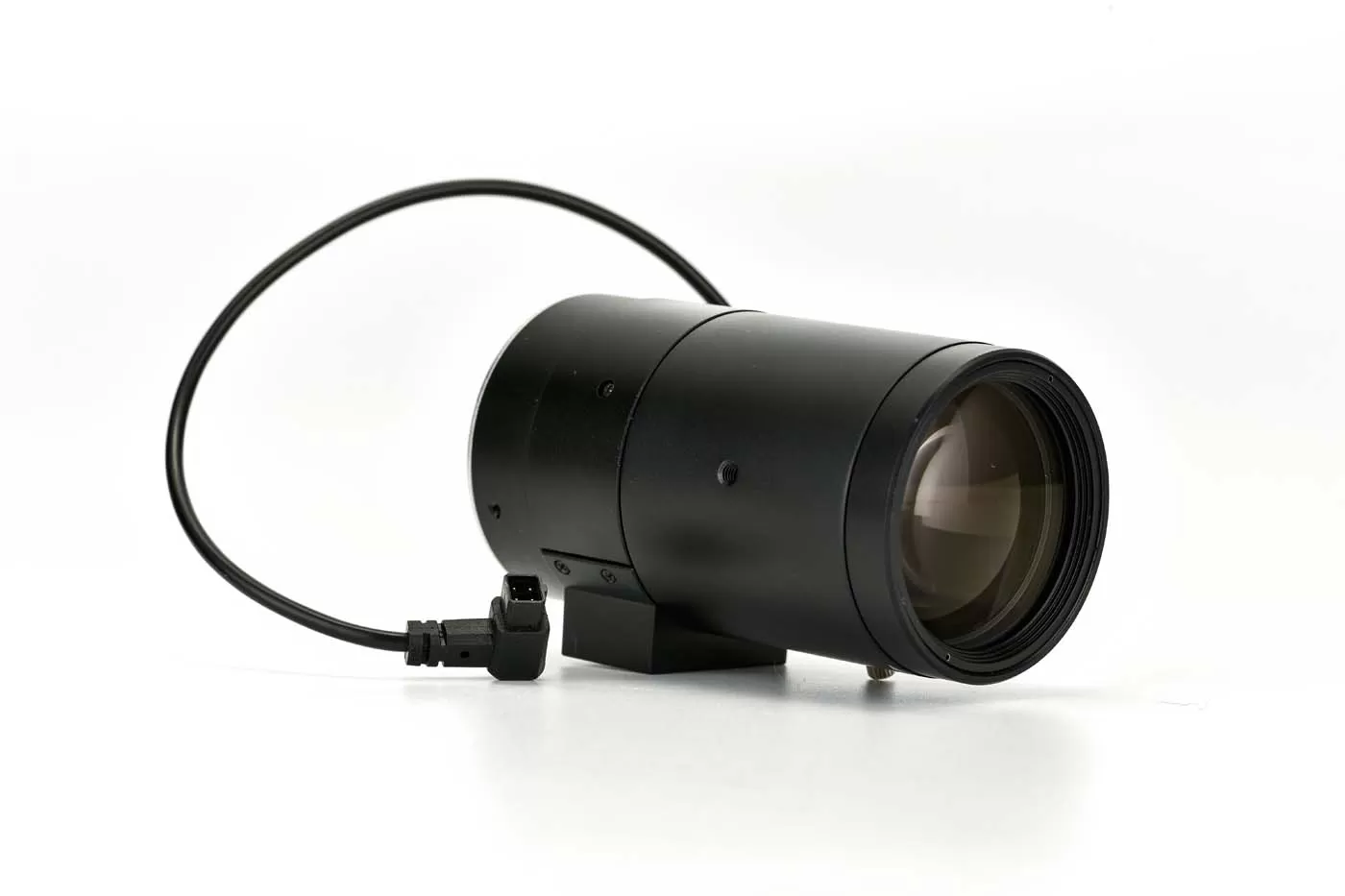
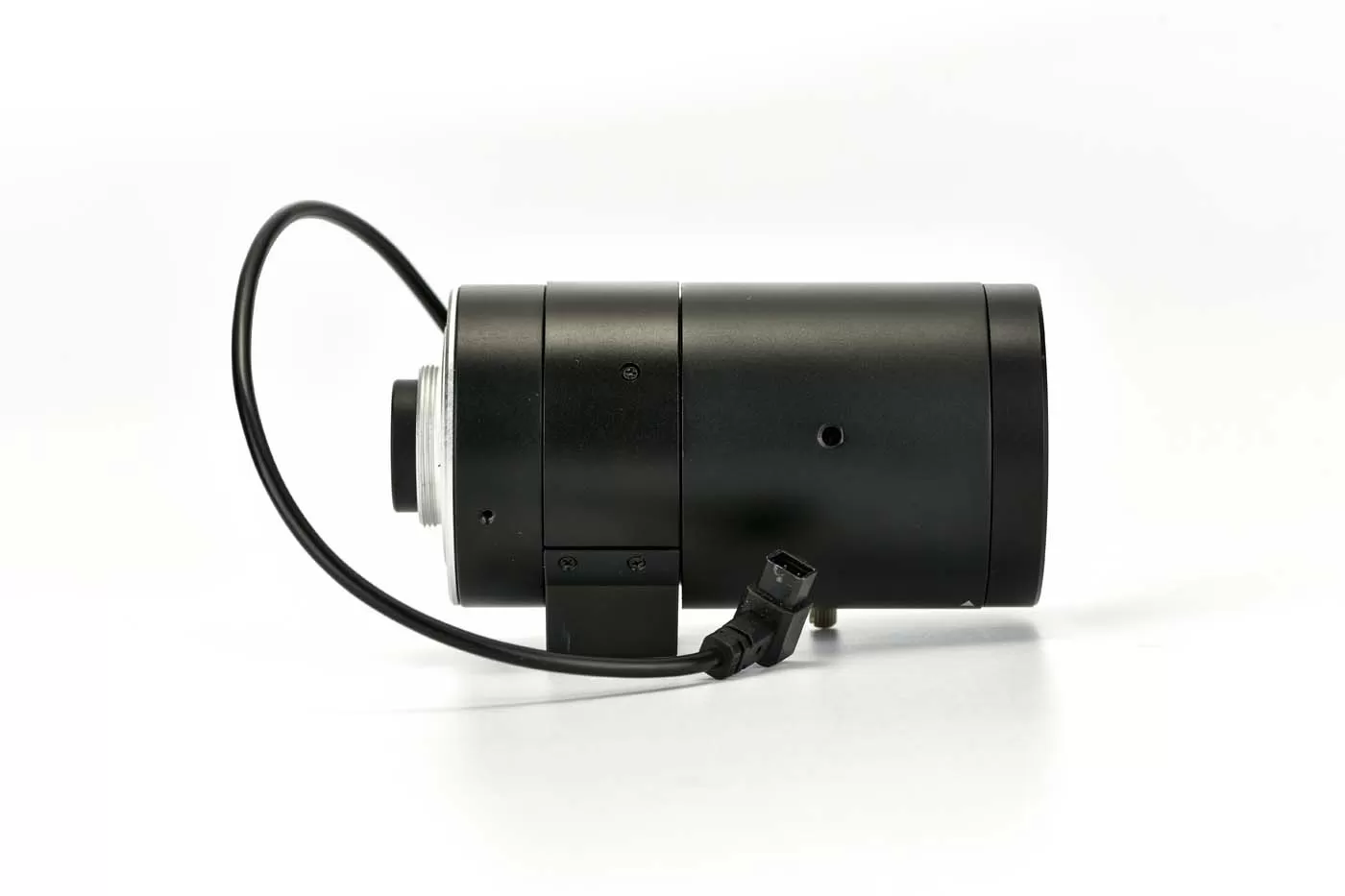
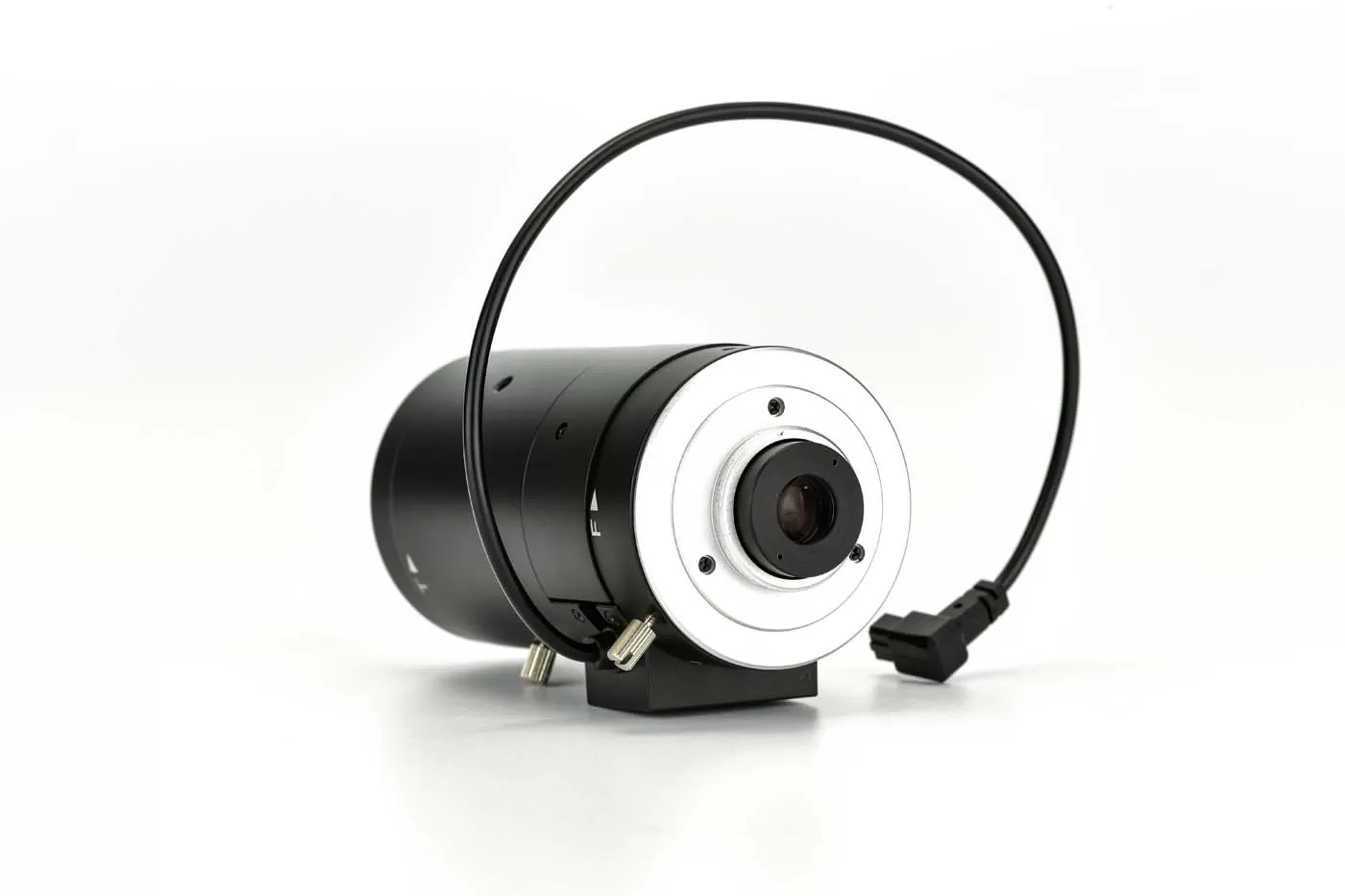
Specification of 1/1.7" 12MP 10-50mm Auto Iris Varifocal Lens
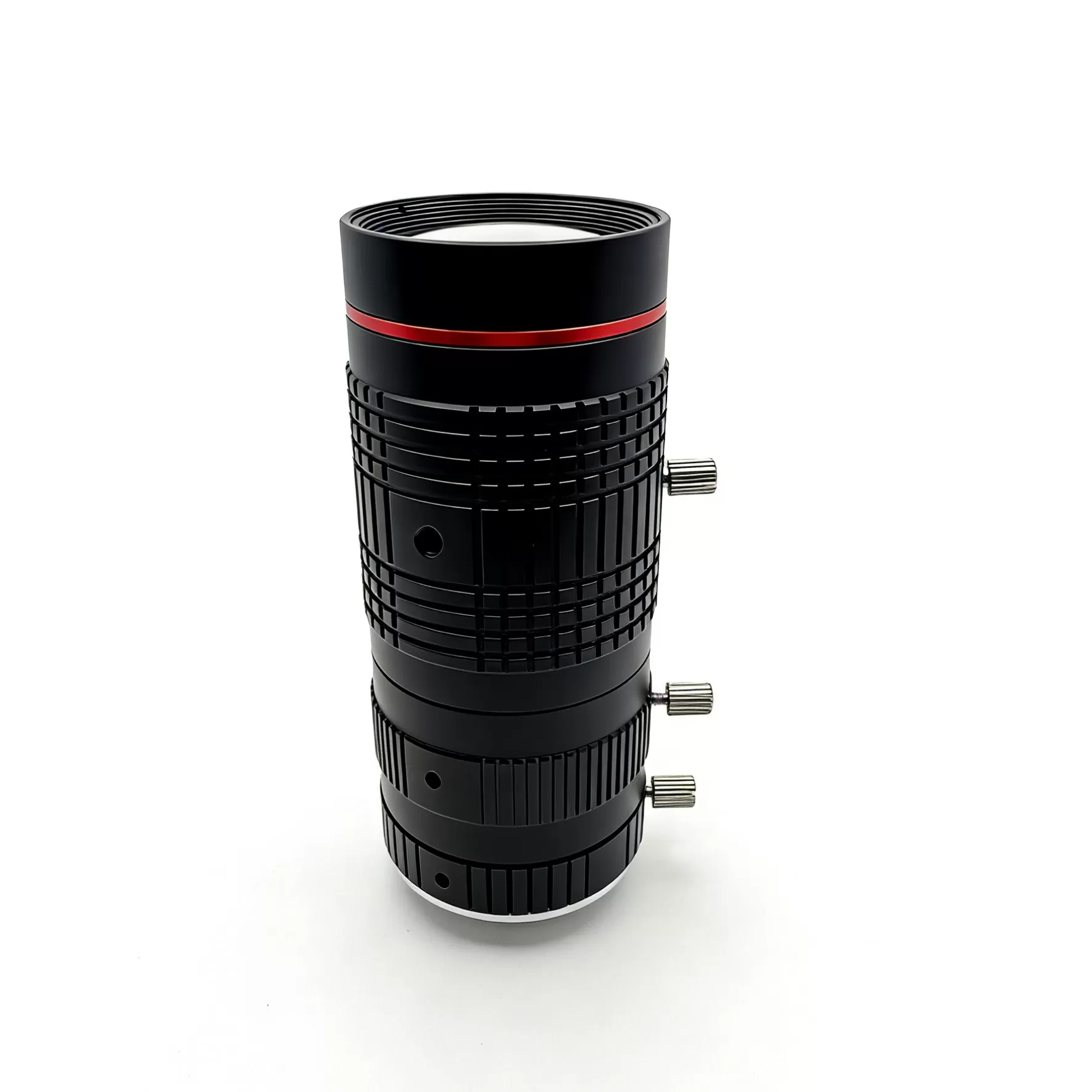
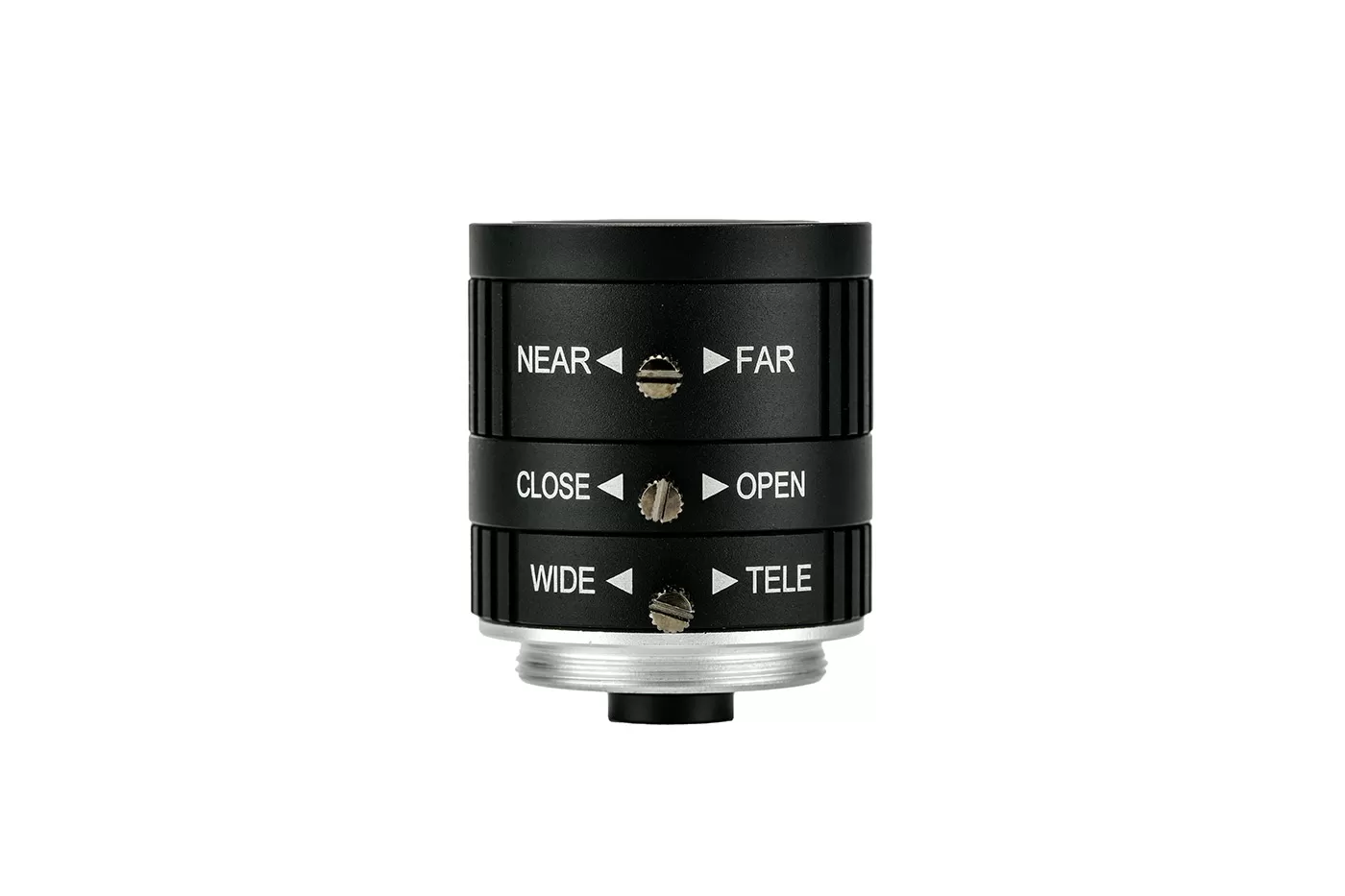
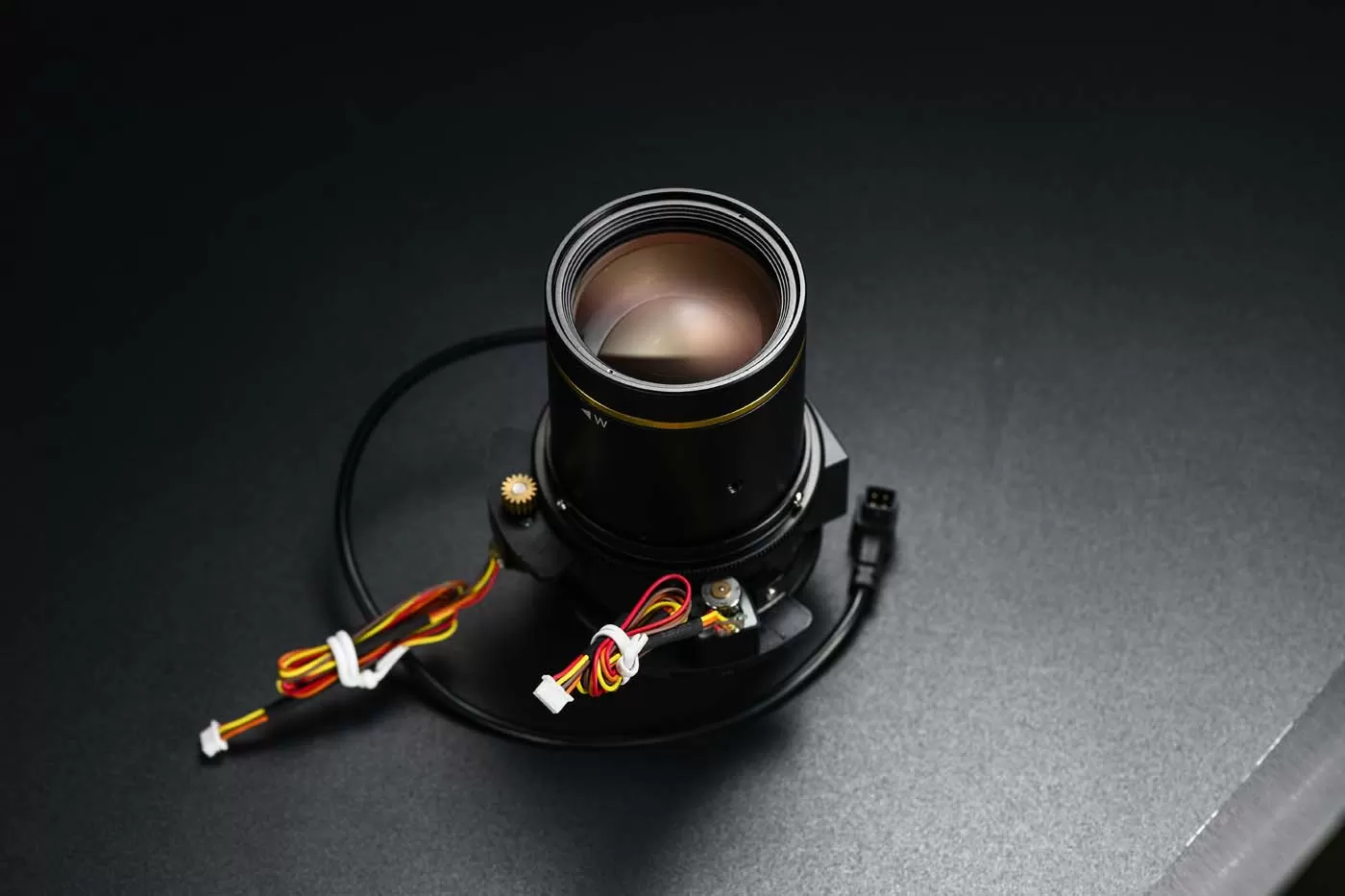
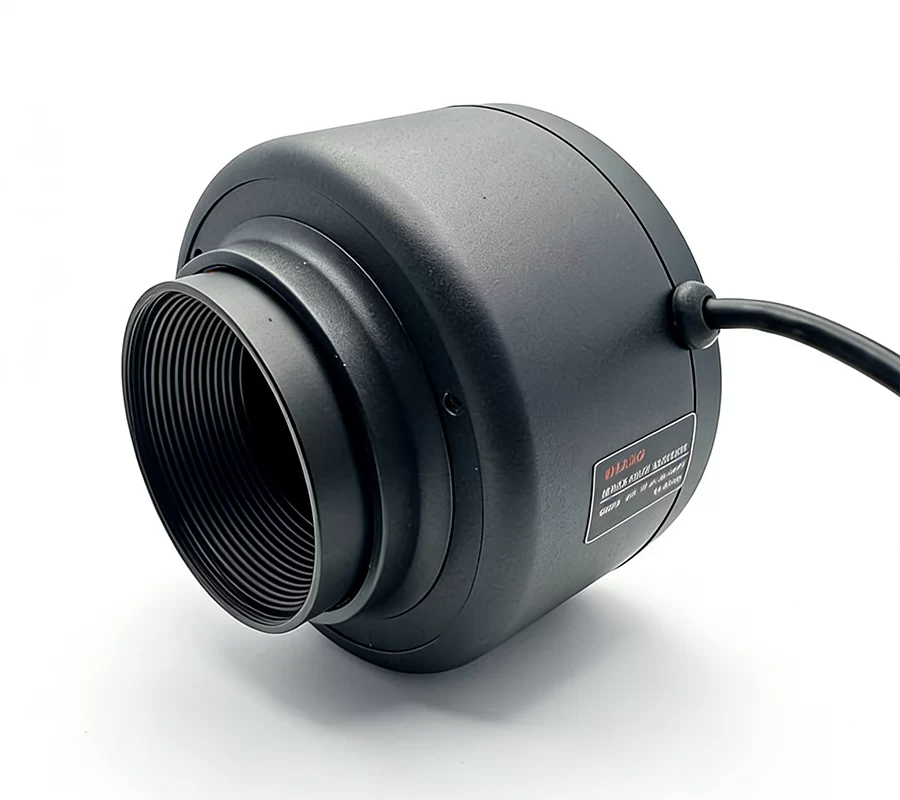
This is a 5× manually operated zoom lens designed for industrial imaging and security applications. It is optimized for use with 1/1.7″ format image sensors and supports up to 12 MP resolution (12 million pixels). The lens features a fully manual mechanical design—comprising manual zoom, manual focus, and manual aperture adjustment—all secured via precision locking screws. Integrated IR-corrected optics compensate for axial and lateral chromatic aberration across both visible and near-infrared (850 nm) spectra, enabling consistent focus throughout day–night transitions without refocusing. With no motorized components or automatic aperture cabling, the lens offers a robust, minimalist mechanical architecture—ideal for stable, fixed-position deployments under controlled or calibrated lighting conditions. Typical applications include machine vision inspection, static surveillance, and intelligent transportation systems (ITS) requiring high-fidelity still-image capture.
Core Technical Features:
1. DC-Iris Adaptive Exposure Control
The lens interfaces with the camera’s DC-driven iris circuit to enable real-time aperture modulation. During daylight, the iris automatically constricts to prevent overexposure; under low-light or nighttime infrared illumination, it expands to maximize photon capture. This dynamic response accommodates rapid ambient light fluctuations—including diurnal cycles, cloud cover, and transitional lighting—thereby minimizing overexposure, highlight saturation (“whitening”), and sensor noise. The feature ensures reliable 24/7 outdoor monitoring performance.
2. Three-Ring Mechanical Locking System
Upon completion of zoom and focus calibration, the corresponding rings are secured using dedicated locking screws—effectively mitigating performance drift caused by mechanical vibration or thermal expansion. Aperture remains passively controlled by the host camera’s DC-Iris signal, eliminating the need for manual intervention. The absence of motors or electronic actuators enhances structural simplicity, long-term reliability, and mean time between failures (MTBF), while offering a cost-effective alternative to fully motorized lenses.
3. 12 MP High-Resolution Optical Design
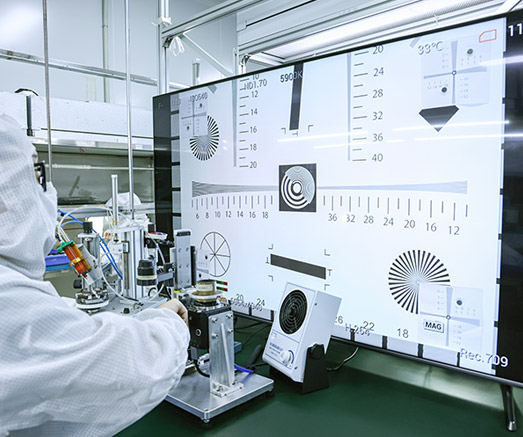
Optically engineered for 1/1.7″ sensors, the lens delivers uniform MTF performance across the entire image field—from center to corner—throughout its full zoom range. It resolves fine spatial details critical for forensic identification, including vehicle license plates, facial features, and structural characteristics, fully supporting 4K (3840 × 2160) output resolution requirements.
4. Day–Night Parfocal IR-Corrected Optics
Dual-band optical correction ensures parfocality across the visible spectrum (400–700 nm) and the 850 nm near-infrared band. This eliminates focus shift when switching between visible-light daytime operation and IR-illuminated nighttime imaging—guaranteeing consistent, repeatable focus registration across illumination modes.
5. F1.4 Maximum Aperture with Extended f-number Range
The fast F1.4 maximum aperture significantly improves low-light sensitivity and signal-to-noise ratio. The iris mechanism supports continuous adjustment from F1.4 to F16, enabling precise control over depth of field—balancing wide-area coverage with target-specific detail capture in varying operational distances.
6. 10–50 mm Continuous Zoom Range (5× Magnification)
The focal length spans from 10 mm (wide-angle scene overview) to 50 mm (telephoto-level magnification), allowing a single lens to fulfill dual roles: broad situational awareness and high-magnification forensic analysis—without requiring lens swaps or repositioning.
Typical Application Domains:
• Intelligent Transportation Systems (ITS): Highway toll plazas, traffic violation enforcement, automated license plate recognition (ALPR), and roadside static snapshot capture
• Outdoor Security Surveillance: Long-range perimeter monitoring (e.g., park perimeters, industrial facility boundaries, fence lines), entrance-way facial capture, and high-definition area surveillance
• Embedded Imaging Platforms: Integration with box-style network cameras and integrated bullet-style IP cameras operating in uncontrolled outdoor environments subject to extreme illumination variability
Selection & Deployment Guidelines:
1. Sensor Compatibility: The lens is specified for maximum sensor diagonal dimensions corresponding to a 1/1.7″ optical format. Sensors with smaller active areas (e.g., 1/1.8″ or 1/2.3″) may be used with downward compatibility, though field-of-view (FOV) will be proportionally reduced.
2. Iris Interface Requirement: The host camera must support DC-Iris control (standard 2-pin interface) and be connected via a compliant 2-conductor DC-Iris cable. Compatibility with P-Iris (stepper-motor-based) iris systems is not supported.
3. Mount Adaptation: When mounting a C-mount lens onto a CS-mount camera body, a 5 mm C-to-CS adapter ring must be installed to achieve correct flange focal distance; omission will result in inability to achieve infinity focus.
4. Calibration Procedure:
– Step 1: Set desired focal length (zoom position)
– Step 2: Adjust focus for optimal image sharpness at the target distance
– Step 3: Secure zoom and focus rings using respective locking screws
– Note: Aperture remains under automatic control via the camera’s DC-Iris output; no manual aperture adjustment is required or recommended.